The Story
Why it exists.
The beginning
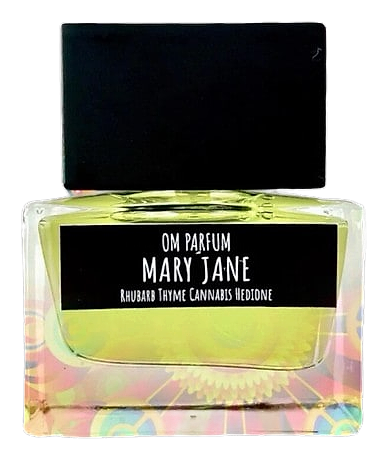
Mary Jane exists because someone wanted to bottle a feeling rather than a concept. Perfumer Aichi Liu set out in 2024 to create something that smelled like weed but functioned like a proper summer fragrance: light enough to wear comfortably, and interesting enough to start conversations. The name is a wink, maybe, or maybe it's the whole point. Each bottle from this house feels like a chapter in an ongoing olfactory memoir, a memory, a specific moment worth preserving. Mary Jane is that philosophy applied to a very particular aromatic territory: herbal, camphorated, woody, with a tartness that keeps you honest. The interplay of cool eucalyptus, tart rhubarb, earthy patchouli, and smoky cypriol creates something that feels both familiar and surprising, inviting you to lean in closer.
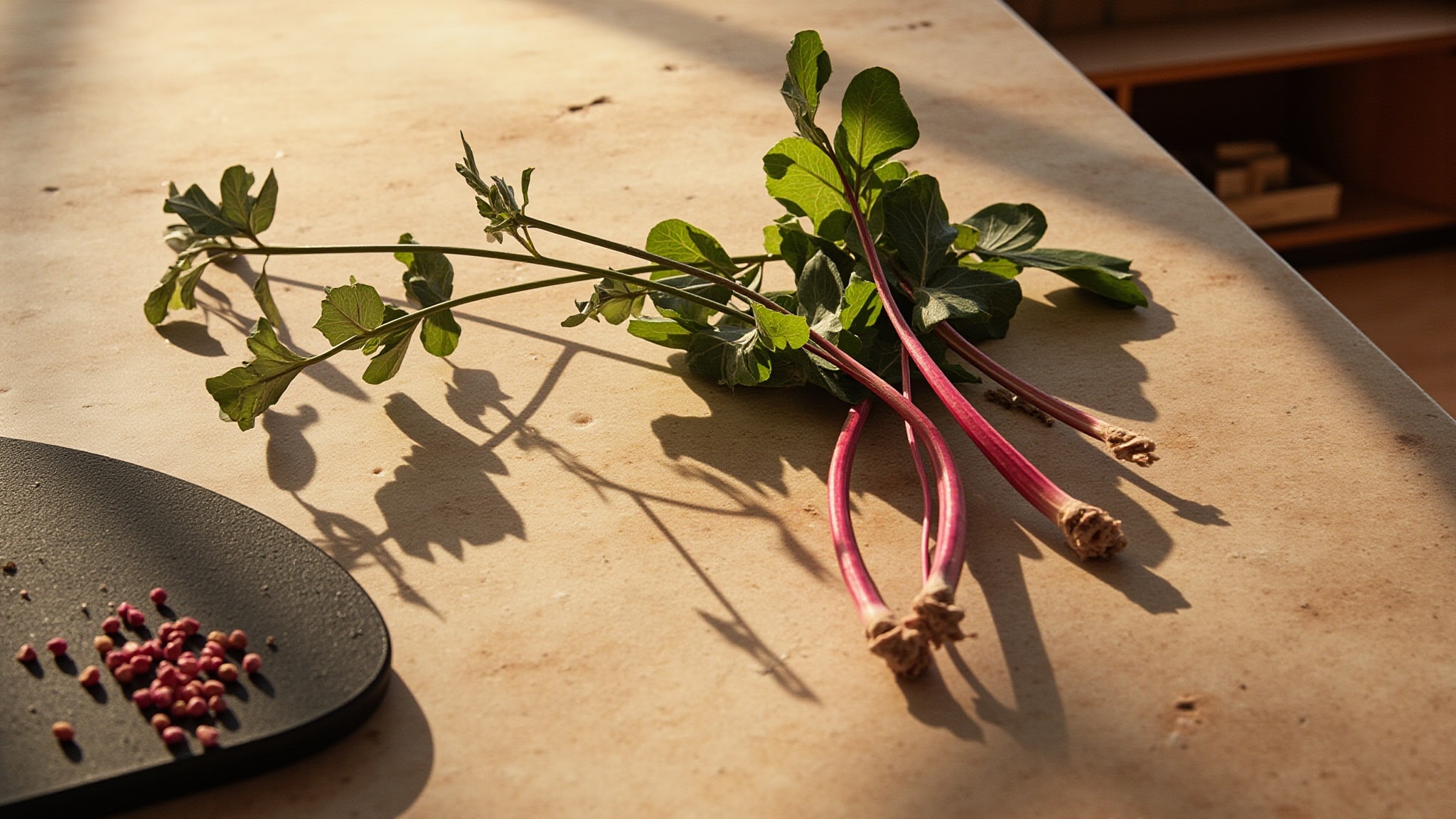
What makes this composition unusual is the pairing of camphorated cool with rhubarb's tart brightness. Borneol and eucalyptus provide that medicinal opening punch, the kind that clears your head before you've finished inhaling, while clary sage and pink pepper add soft aromatic layers underneath. The result isn't a typical herbal fragrance; it's more like someone took a forest after rain and added a squeeze of sour candy. The heart of patchouli, ebony, and cypriol grounds everything in warm wood, but the rhubarb keeps it from getting heavy. That's the trick: wearable without being safe.
The evolution
Mary Jane opens like a first impression that knows what it wants. The camphor hits immediate and clean, eucalyptus lifting the whole start like steam off a hot stone. Within minutes the rhubarb slides in, tart and bright against that cool backdrop, a contradiction that somehow works. Then the hand-off: the sharp top notes recede and the woody heart takes over. Patchouli arrives earthy and dry, ebony adding a darker woodiness, amber warmth settling underneath like a foundation you didn't notice being built. The drydown is where this fragrance earns its name. Cypriol and labdanum linger, resinous and slightly smoky, with enough patchouli to remind you that something herbal started all of this. As the hours pass, the fragrance evolves on your skin, revealing new dimensions while staying true to that initial herbal character that defines it.
Cultural impact
Mary Jane occupies an unusual position in the niche fragrance landscape: a cannabis-adjacent concept that refuses to smell like a head shop. The camphorated opening and rhubarb brightness set it apart from conventional herb-forward fragrances, offering something cleaner and more unexpected. OM Parfum's approach, using cannabis as a conceptual anchor while building the actual scent from different aromatic materials, creates a fragrance that speaks to those who appreciate intellectual complexity in their perfumes.