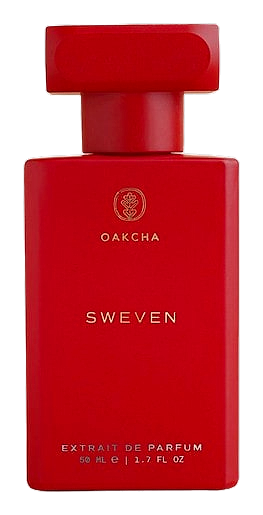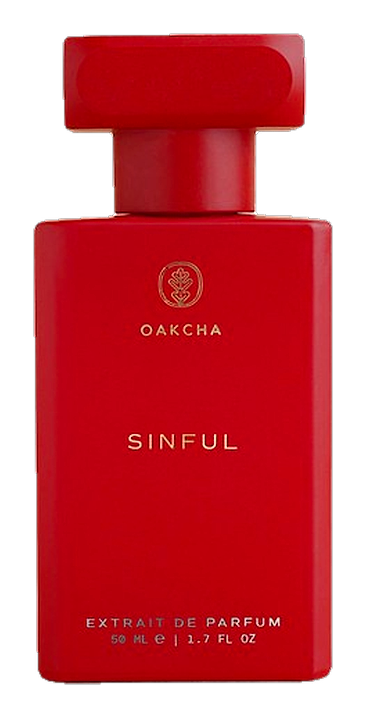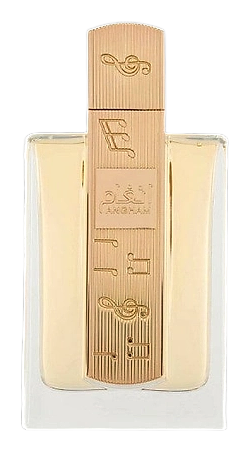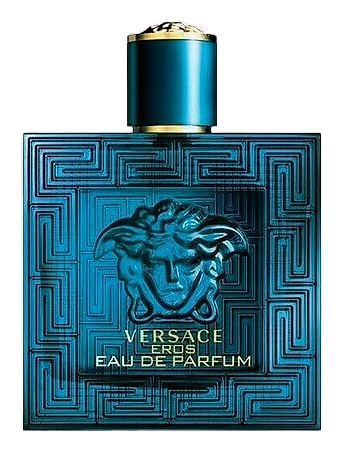

The Story
Why it exists.
The beginning
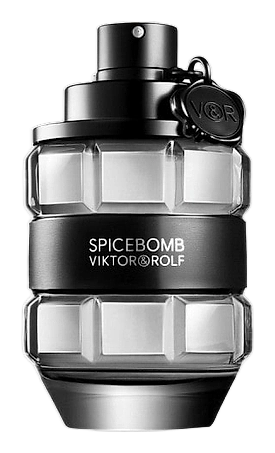
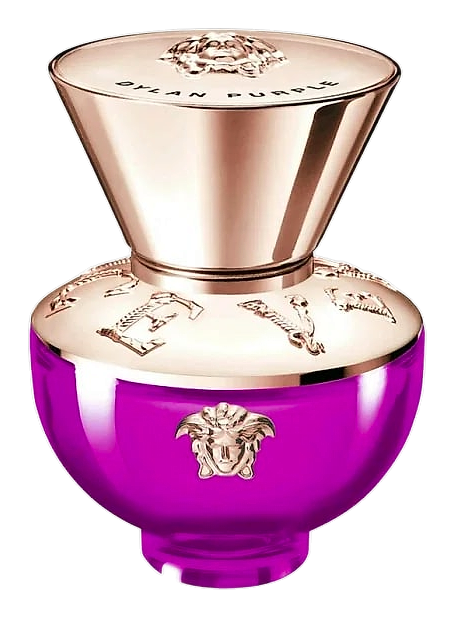
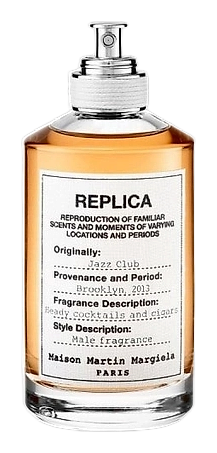
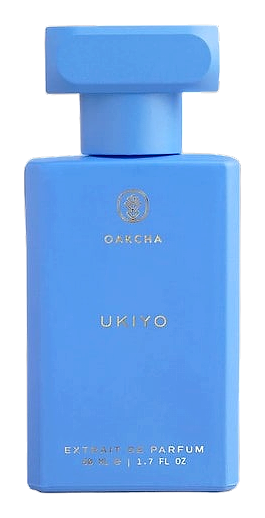
Ukiyo was built to answer a specific question: what if two of the most worn fragrances of the last decade didn't compete, but collaborated? Oakcha looked at the citruses, birch, and oakmoss of one icon, and the ambergris, white musk, and jasmine of the other, and saw the overlap. Not a clone. A bridge. Ukiyo is the house's take on what happens when two fragrance languages learn to speak to each other, and land on something new.
The brief was deceptively simple: take the best parts of both and leave the rest. That meant the bright, assertive opening from one side, bergamot, pineapple, melon cutting clean and sharp, and the warm, perfumed heart from the other, anchored in patchouli and dry woods. Where they meet is where Ukiyo lives. Not a compromise. A third option.
The evolution
The opening hits immediately. Bergamot and pineapple arrive together, melon sweetening the citrus edge just enough. Within the first hour, the fruity brightness starts to recede and the patchouli moves in, dry, earthy, grounding the composition without heaviness. Then the base does what bases do: it takes over. Oakmoss and ambergris lead the drydown, with leather and vanilla softening the edges. The ambergris is the tell. Slightly animalic, slightly mineral, it keeps the warmth from going flat. On most skin, this holds 4-6 hours with moderate sillage, present enough to notice, close enough not to announce. The oakmoss is what carries the composition once everything else settles. That green-earthy backbone is the thread running from top to drydown. The vanilla is a late arrival, sweet and quiet, arriving around hour three to extend the warmth without overpowering it. The opening gets the attention. The drydown is what stays.
Cultural impact
Ukiyo sits at the intersection of two of the most worn fragrances of the last decade, and where they overlap is a surprisingly broad sweet spot. For the wearer who already knows both references, Ukiyo reads as a clever remix. For someone who hasn't tried either, it reads as a clean, modern, versatile option. Oakcha's approach, inspired by, not copying, has found an audience that wants the cultural cache of the originals without the designer price tag. The house operates DTC, which means no retail markup, and the brand encourages buyers to compare its offerings directly against the compositions they emulate. That transparency is part of the appeal.