
The Story
Why it exists.
The beginning
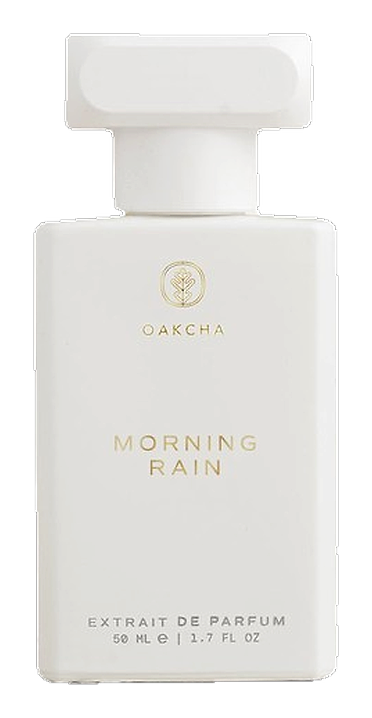
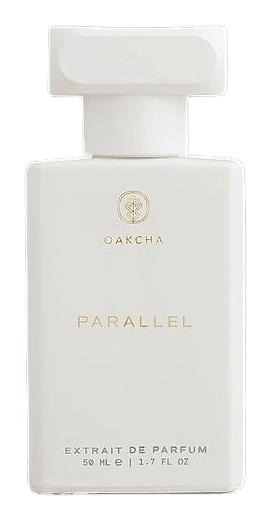
Oakcha built Parallel for one reason: the Another 13 conversation kept happening and kept ending the same way. The scent was beloved, the waitlist was long, the price point was not. Parallel exists as an answer, not a replacement, but a parallel. Same musky-amber architecture. Same clean-meets-lived-in tension. Different entry point, same destination. The fragrance opens with a warm, resinous quality that feels both intimate and sophisticated. There's a distinct mineral edge that keeps the composition from feeling heavy, while soft animalic notes provide depth without overwhelming. It's the kind of scent that feels familiar from the first spray, as if you've known it all along.
The formula centers on three modern musk-wood molecules that have defined a generation of minimalist perfumery. Cetalox provides the ambergris warmth without the regulatory hassle or whale controversy. Helvetolide adds a clean, velvety musk that behaves like skin-but-better. Iso E Super brings the woody transparency that lets everything else glow. Together they create the impression of scent without the weight of scent, a quality that made Another 13 iconic and makes Parallel a direct translation of that aesthetic at a different price point.
The evolution
The opening hits crisp: citrus, apple, a hint of pear. Clean and immediate, the kind of brightness that makes people lean in. Within twenty minutes the florals arrive, jasmine tempered by ambrette, a seed-like warmth that keeps the top notes from feeling like air freshener. The heart phase introduces moss, a subtle green-earth note that adds texture without going forest-floor. Then the base takes over. Cetalox and Helvetolide create a warm, skin-close musk that projects softly for hours. Iso E Super keeps the woods present but transparent, never heavy. The drydown on skin reads as warmth itself, the kind of scent that lingers in a pillowcase or a scarf hours after you've left the house.
Cultural impact
Parallel exists at the intersection of two conversations fragrance people have been having for years. The first: what does it mean when a dupe becomes as discussed as the original? The second: at what point does accessibility become its own form of curation? Oakcha doesn't compete with Le Labo, it amplifies the conversation. Anyone who loved Another 13 and couldn't find it, couldn't afford it, or couldn't wait for it now has a credible alternative. That's the real impact: not market share, but access.