The Story
Why it exists.
The beginning
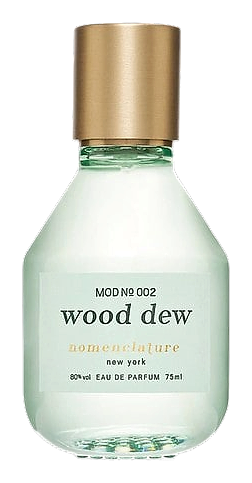
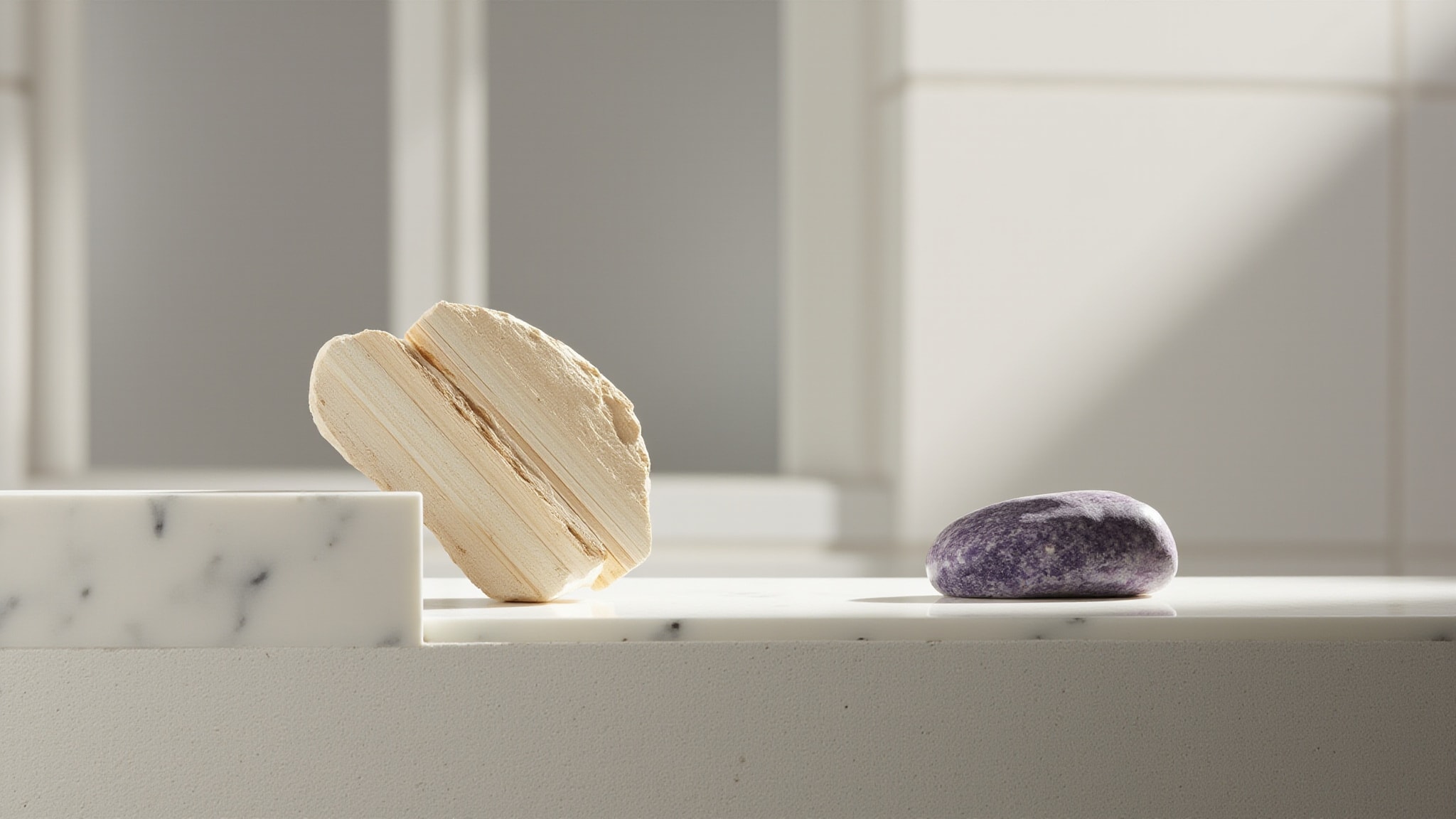
Wood Dew began with a question Nomenclature keeps returning to: what happens after the bloom? A forest clearing where the flowers have gone, where only the wood and the air remain. The perfumer reached for Australian sandalwood and palo santo to build that clearing. Sandalwood brings its characteristic creaminess, a warmth that coats without heaviness. Palo santo adds a subtle resinous edge, the slight bitterness of real wood, not the smoothed-out version. Nashi pear and peach nectar arrived to capture the crisp air. Turkish rose and white musk completed the picture: a reminder that something was once in flower, now settled into something more durable. The combination creates a scent that feels open and breathing, where each note has room to exist without crowding the next.
The sandalwood-palo santo pairing is the structural choice that makes this work. Sandalwood brings its characteristic creaminess, a warmth that coats without heaviness. Palo santo adds a subtle resinous edge, the slight bitterness of real wood, not the smoothed-out version. Together they form a clearing rather than a forest. The fruit notes arrive as air, not sweetness. They're atmospheric, cutting through the wood with a brightness that feels like morning rather than dessert.
The evolution
The opening arrives quick and bright, Nashi pear cutting through with its clean, aqueous quality. Peach nectar follows almost immediately, soft and rounded rather than sweet. Green tea appears briefly, adding a clean, slightly astringent note that sharpens the start. Within minutes the wood arrives. Australian sandalwood and palo santo settle in together, sandalwood first with its creaminess, then palo santo bringing its subtle resinous depth. The florals, Turkish rose, peony, emerge quietly, not demanding attention but present. White musk begins to develop, creating that powdery intimacy that becomes the scent's signature. The drydown is where Wood Dew earns its name. Sandalwood and palo santo have merged into something softer, a clearing rather than a forest. Violet dust lingers on the skin. White musk keeps everything close. The next morning, there's a faint trace of sandalwood and musk on the wrist, the quietest goodbye.
Cultural impact
Wood Dew occupies a specific space: for those who want the idea of a forest without the weight of darker woods. It appeals to wearers who prefer subtlety over statement, the quiet presence that people notice only when they're already close. The scent offers a fresh, airy take on woody materials, making forest imagery feel light and approachable rather than heavy or brooding. It sits comfortably in the Modern Eclectics collection, carrying the brand's molecular-first philosophy into a fragrance that welcomes those new to the house's more analytical approach.