
The Story
Why it exists.
The beginning
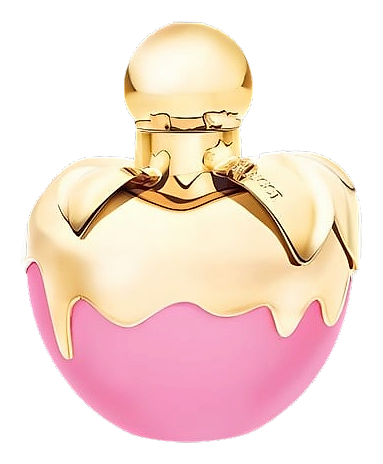
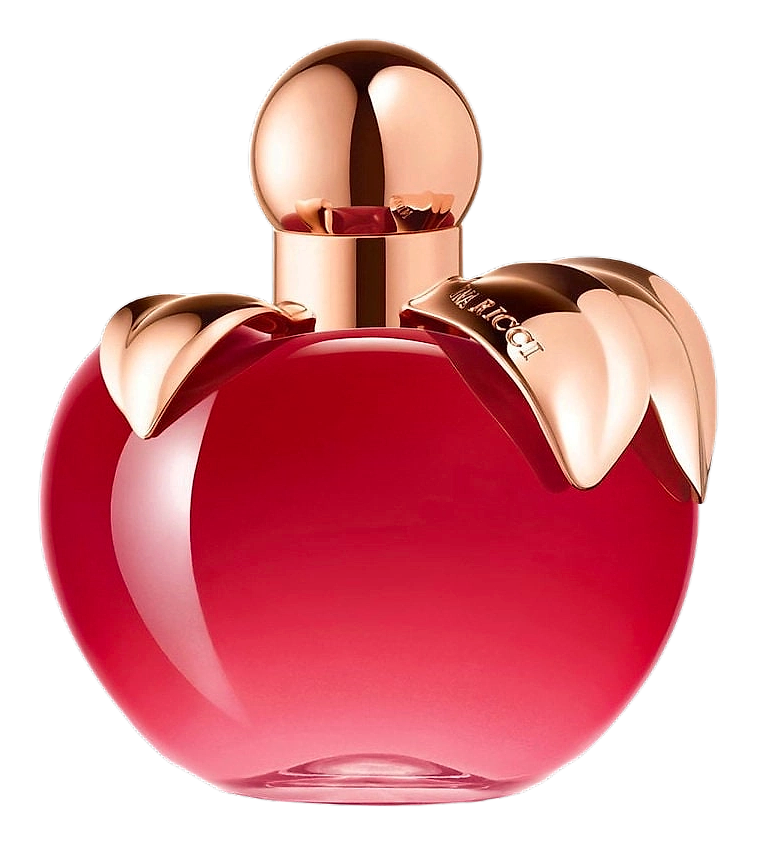
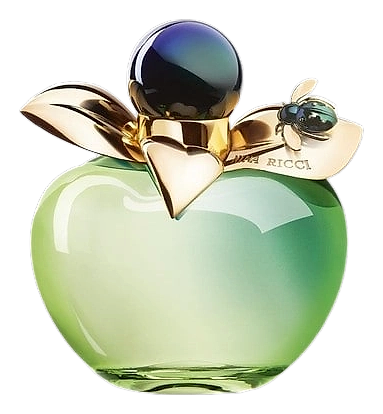
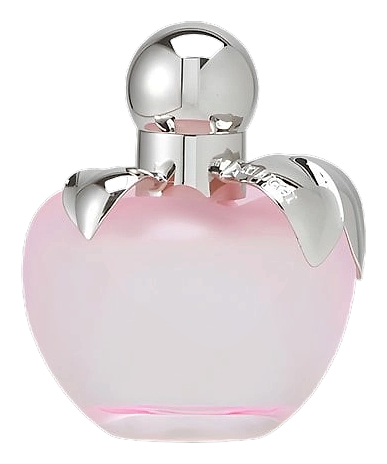
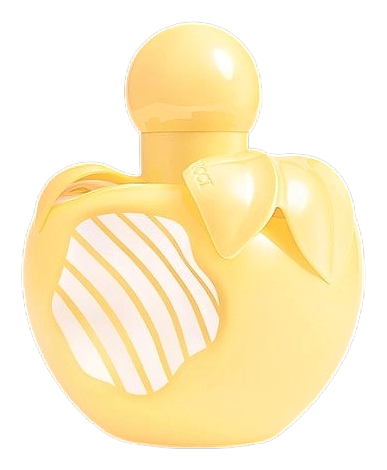
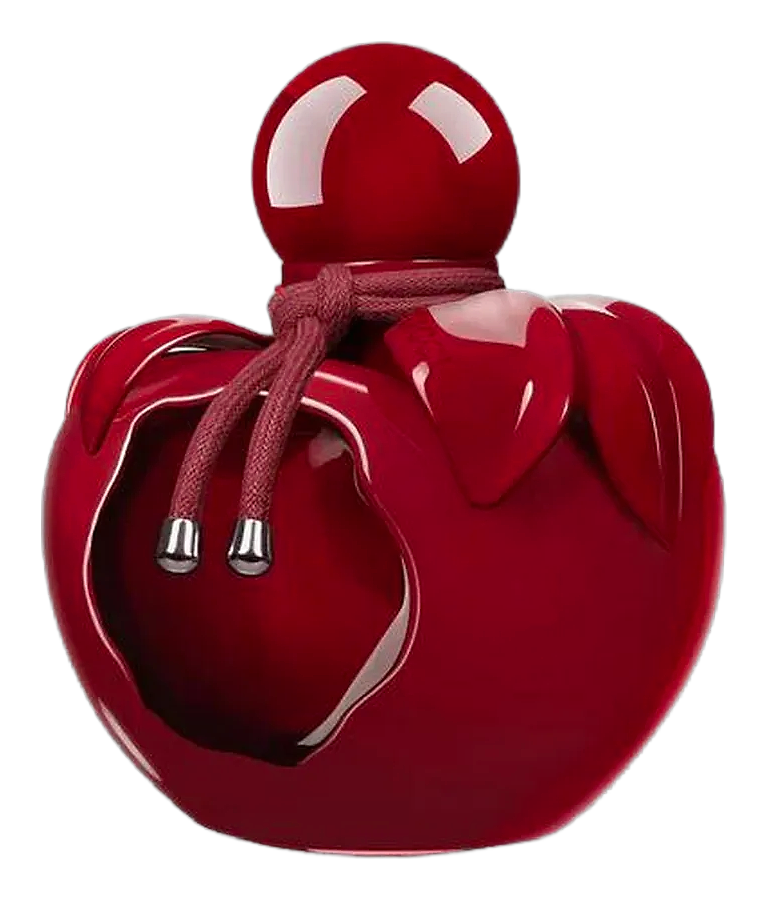
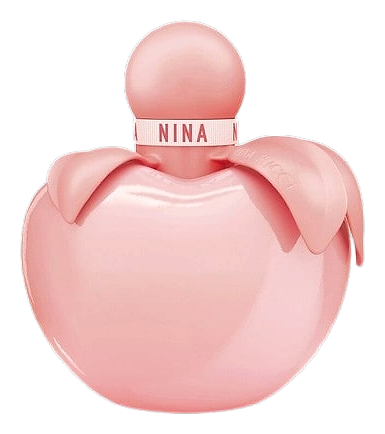
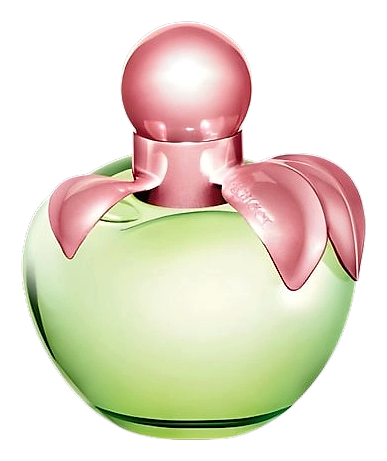
In 2009, Nina Ricci released Love by Nina as a limited edition successor to the 2006 Nina, a fragrance that had already established the house's appetite for edible, approachable femininity. Olivier Cresp, the nose behind both, made a deliberate shift: red apple became green, and the sweetness took on a different texture. The bottle, a soft green flacon with a shimmering pink stopper, reflects the new direction of the scent within. Cherry blossom and almond joined the composition, adding new dimensions to the formula, and the result feels like a meaningful continuation of the Nina Ricci fragrance identity. The scent carries its predecessor's spirit while introducing a fresh perspective on the house's signature approach to feminine sweetness.
What makes Love by Nina interesting is the way it handles sweetness. Instead of a sharp, almost medicinal apple, Cresp built around a rounder, moreish green apple, the kind you'd find in an orchard at dawn. The almond note doesn't dominate; it softens. Cherry blossom brings a fleeting pink quality that lifts the composition without making it juvenile. Frangipani, also present in the original Nina, grounds the top notes in something warmer, almost tropical.
The evolution
The opening hits fast, green apple and almond, bright and immediately present. For the opening phase, it's fresh and edible, almost like biting into a sweet that's still slightly cold. Then the cherry blossom takes over, and the fragrance softens into something more floral than fruity. Frangipani arrives as the composition develops, adding a tropical warmth that prevents it from sliding into something too delicate. The drydown is where it gets interesting: the sweetness doesn't disappear so much as settle, becoming a warm, skin-close presence that endures. On fabric, it lingers even longer, leaving a faded but still noticeable trace that speaks to its lasting power.
Cultural impact
Love by Nina arrived in 2009 as a limited edition, serving as a companion to the 2006 Nina. The fragrance found its audience among consumers drawn to its sweet, fresh character. The original Nina has been reformulated and remains available, but Love by Nina itself was discontinued, which has given it a certain appeal among those who seek it out. Its brief presence on the market has made it a point of interest for fragrance collectors and enthusiasts who appreciate its particular blend of freshness and warmth.
The House
Nina RicciNina Ricci is a Parisian fashion house founded in 1932 by Italian-born designer Maria "Nina" Ricci and her son Robert Ricci. The house began as a couture salon on Rue Haussmann, quickly establishing a reputation for refined, feminine gowns with romantic sensibility. Robert established an in-house perfume division in 1941, though the first fragrance would not arrive until 1946. That inaugural scent, Coeur Joie, marked the beginning of a partnership with Lalique that would define the house's olfactory identity. The house introduced its most celebrated fragrance, L'Air du Temps, in 1948, a scent that remains in production decades later. Puig acquired Nina Ricci in 1998, bringing the house under the same ownership that manages Carolina Herrera and Jean Paul Gaultier. Today, the fragrance collection spans from timeless classics to contemporary offerings like the Nina line, maintaining the house's commitment to feminine elegance.
The Creator
Olivier CrespCresp's signature style often features a blend of fresh, clean notes with warm, comforting accords. He's known for his masterful use of fruit notes, particularly fig and berries, which he often combines with florals and musks to create scents that are both inviting and sophist…