The Story
Why it exists.
The beginning
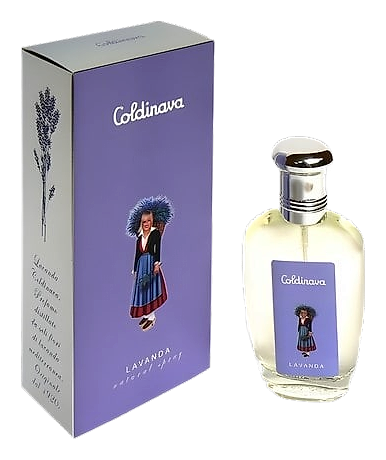
Lavanda Coldinava emerged in the 1930s as a study in contrast, pairing lavender with a colder, fresher idea of perfumery. Its name brings the two registers together: familiar lavender on one side, an almost crystalline coolness on the other. The composition was created for women and men, making its green, aromatic character deliberately broad rather than tied to a single gendered fragrance tradition. With lavender as its documented centerpiece, it sits within the fougère register, where herbs, freshness, and a polished herbal-floral mood meet.
Lavender rarely travels alone in classic aromatic perfumery, but here its familiar softness is pushed toward green freshness and fougère structure. That gives the main note a cleaner, more bracing character. The documented accords add spicy, herbal, floral, and earthy dimensions, though no additional ingredients are listed, so the composition is best understood through its atmosphere rather than an invented ingredient trail.
The evolution
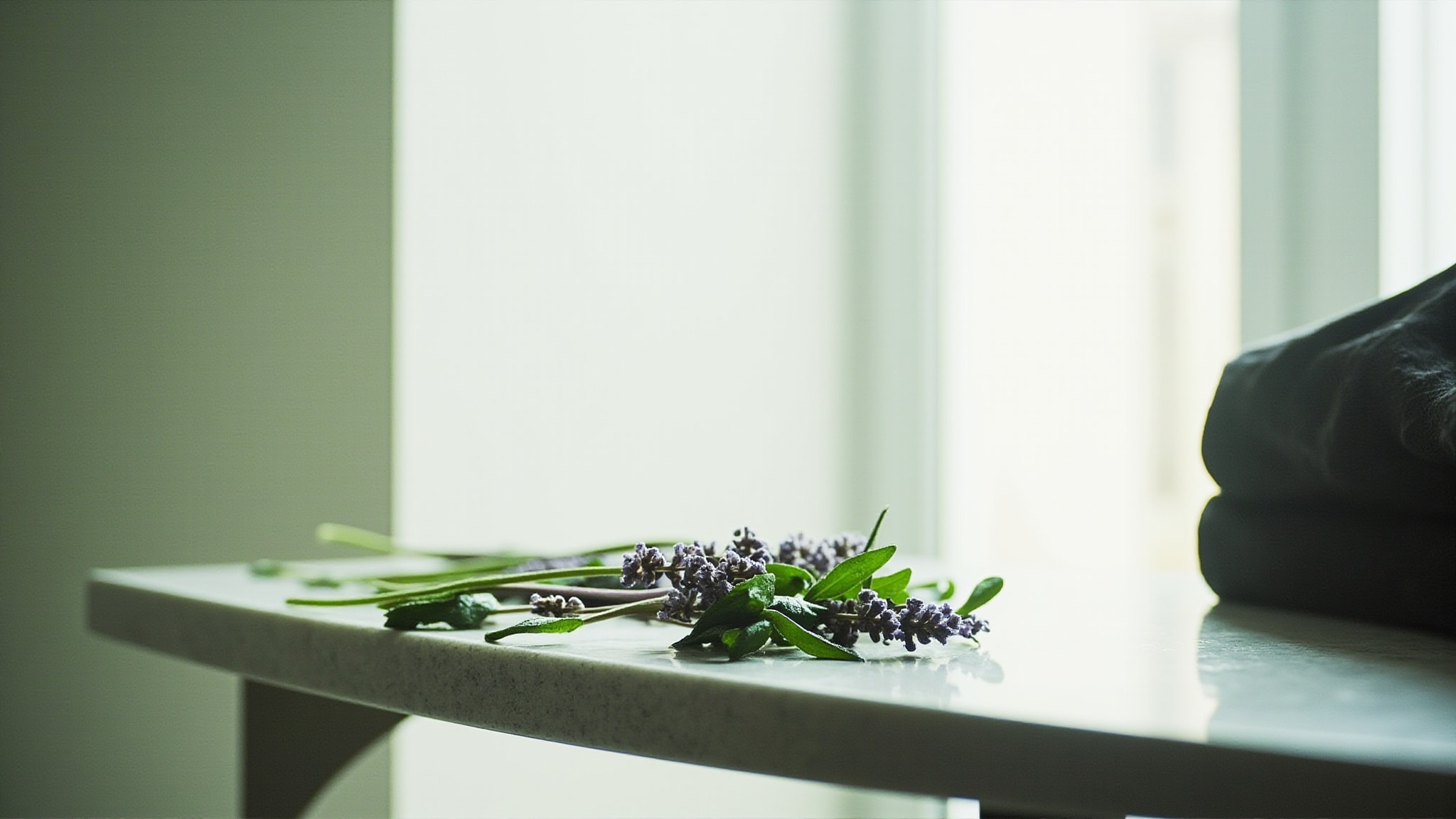
The opening gives lavender its clearest reading: cool, green, and freshly aromatic, like an open window after rain. As the scent settles, the floral accord softens the edge without losing the herbal character. The fougère and earthy sides keep it from becoming simply pretty, adding a dry, composed finish that feels more suited to daylight than a dark romantic evening. Over roughly 4-6 hours, the bright green impression gradually recedes, leaving a restrained aromatic presence close to the skin. The lasting impression is clean lavender, lightly wooded and herbal rather than sweet or heavy.
Cultural impact
Lavanda Coldinava belongs to a small, archive-like fragrance catalog shaped by Nicky Chini's association with Old Delhi perfumery. Its unisex lavender profile sits between classic aromatic fougère and cool green freshness, connecting an older fragrance register with a cleaner, more open-minded way of wearing lavender.