
The Story
Why it exists.
The beginning
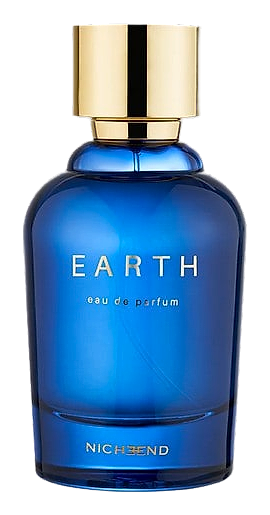
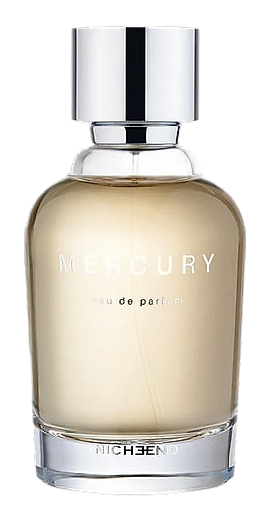
The brief from the Bektaş brothers was deceptively simple: Mercury. The closest planet to the Sun, but not the hottest. Second densest in the solar system, yet small enough to feel overlooked. They wanted a fragrance that captured proximity without excess heat, speed without panic, density compressed into something you could actually wear. The name came from astronomy. The composition came from a very different kind of tension. Mercury became the study of what happens when bright, impatient top notes meet something softer underneath. Not sweetness. Not restraint. The particular cool that exists just before heat takes over. It launched in 2022 as part of the Universe Collection, a suite of ten scents named after celestial bodies, but this one has always felt like the collection's quietest argument against being overlooked. Coriander was chosen for its speed. Bergamot for its clarity. Turkish rose for the unexpected cool that no one sees coming.
Coriander and Turkish rose don't typically share a bottle. One is green, almost metallic in its sharpness. The other is powdery, romantic, soft. The distance between them is the interesting part, the tension that makes Mercury feel like a fragrance with a point of view rather than a collection of pleasant notes. The brand leans into this dissonance intentionally. In planetary terms, Mercury races around the Sun faster than any other planet but maintains a surface temperature that can actually swing below freezing. Heat and cold, speed and stillness, proximity and distance.
The evolution
The opening arrives in under a minute, citrus and coriander, bright and electric. There's no settling period. You get the full impression immediately: bergamot's clean sharpness, coriander's green-metallic edge. It reads almost synthetic at first contact, as if the top notes are trying too hard to announce themselves before the rest of the composition catches up. Twenty minutes in, the coriander dominates. This is where the fragrance either earns you or loses you. That metallic, herbal quality takes over completely, fast and strange, like the planet it's named for orbiting the Sun. The rose hasn't fully arrived yet. What you smell instead is the space between notes: green, sharp, slightly abrasive. The heart phase arrives around the 30-minute mark. Turkish rose finally appears, but not as a floral centerpiece. It's dusty, dry, almost mineral, the kind of rose that's been pressed between pages. The petals don't bloom. They arrive already pressed. Cedar begins to assert itself here, wrapping around the rose like an old paper binding.
Cultural impact
Mercury entered a niche fragrance landscape crowded with celestial themes. What distinguishes Nicheend's approach is the decision to translate cosmic concepts into olfactory restraint rather than spectacle. Mercury doesn't smell like space. It smells like the idea of distance, the cool that exists before heat takes over, the moment of proximity without excess. The fragrance occupies an unusual position: complex enough for enthusiasts who track note combinations, accessible enough in its citrus-rose structure to communicate quickly. Whether it registers as intriguing or unresolved depends entirely on the wearer's relationship with coriander and dusty rose, an honest uncertainty the composition doesn't try to resolve.