
The Story
Why it exists.
The beginning
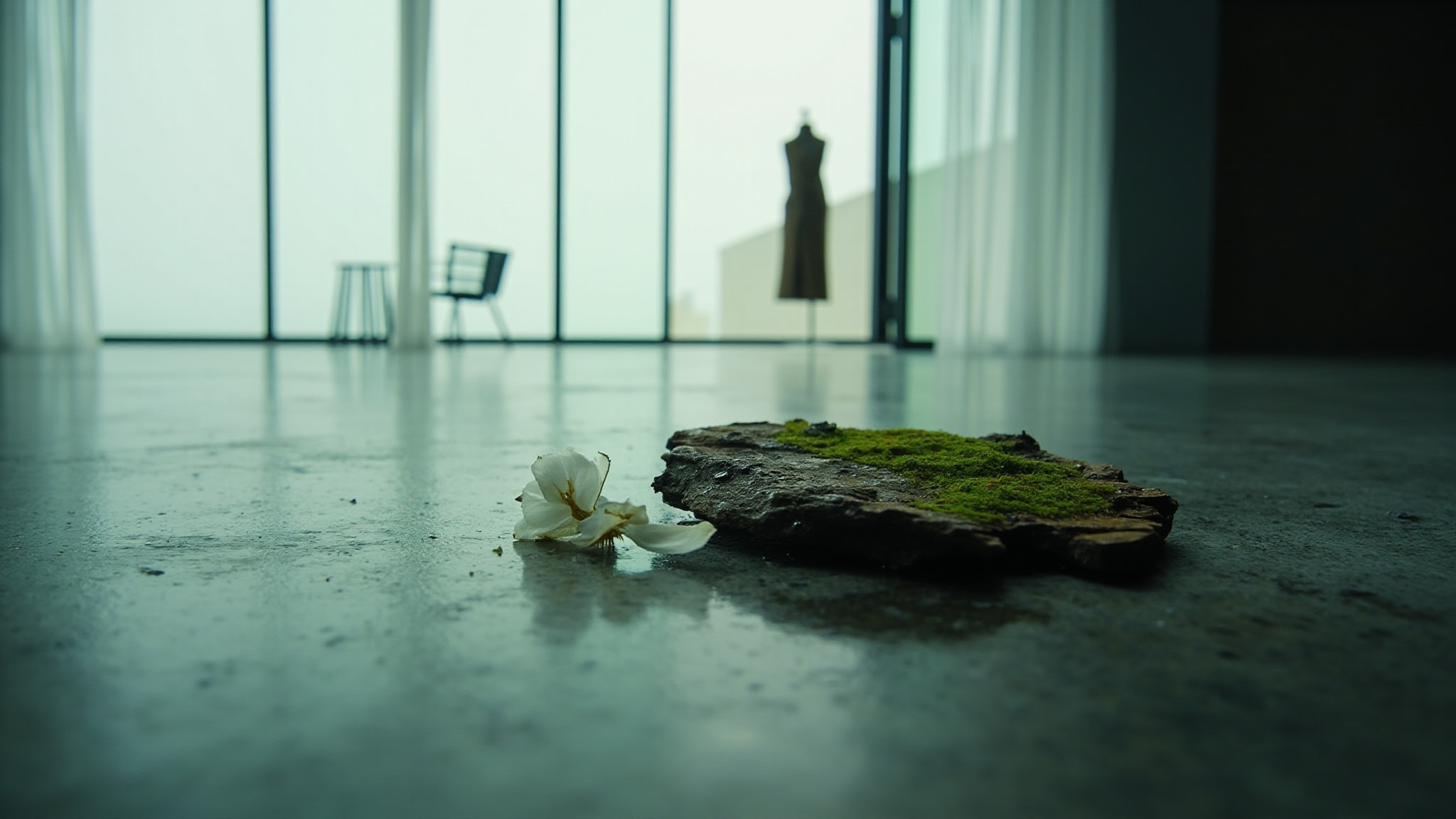
Alpine Wildflower is composed as a sensory impression of high country after weather passes. Fresh and woody, with a lightly floral center, it pairs airy mountain notes with the grounded presence of earth, oakmoss, and cedar. The floral notes of cotton flower, gardenia, and lily of the valley add a living counterpoint to the mineral coolness of the air accord. Together, they create a fragrance that feels open and elemental, with woods at its base, delicate blooms lifting through the middle, and a subtle thread of resin adding depth. It's a composition built around contrast: freshness against earth, floral softness against cedar structure, and cool air against warm skin. Alpine Wildflower reads like clear space, green growth, and the textured scent of the ground beneath open skies.
What makes this one interesting is the balance. Oakmoss, cedar, and soil sit against air accord, which keeps the whole thing from turning into a forest floor cliché. Then cotton flower and gardenia arrive with a powdery softness that could have gone sweet, but the earthy backbone holds them in place. Frankincense adds a faint resinous edge, almost like incense smoke drifting off wet bark. The result is floral with weight. These notes rarely agree, and that's the point. The composition treats a flower meadow as a place with weather, altitude, and depth rather than a bouquet.
The evolution
The opening combines air accord and earth with immediate clarity. Oakmoss and soil establish a grounded, textured base, while cedar introduces a dry vertical line reminiscent of bark and distant timber. As the composition develops, lily of the valley and cotton flower add clean, powdery whiteness. Gardenia brings a warmer floral presence, rounded and close to the skin. Frankincense runs through these notes as a fine thread of resinous smoke, adding an impression of depth without taking over the composition. Over time, the airy quality settles into the denser character of oakmoss, earth, and cedar. The florals remain present, but they sit within the woods rather than dominating them. As the fragrance wears, the initial freshness softens and the scent becomes more grounded, with mossy textures, dry timber, powdery florals, and a faint trace of smoke.
Cultural impact
Alpine Wildflower brings a distinctive point of view to fragrance through its balance of freshness, woods, and delicate floral notes. Air accord gives the composition an open, airy quality, while oakmoss and soil provide texture and weight. Cedar adds a dry, structural character, sharpened by the resinous thread of frankincense. Lily of the valley, cotton flower, and gardenia introduce pale floral detail, with the gardenia adding a warmer, closer dimension. Together, the notes create a layered impression that can appeal to those who enjoy green, mossy, woody scents without losing the floral side of the composition.
The House
NAMESAKE FRAGRANCENamesake Fragrance was founded in 2018 by architect Nick Vu with an ambition to make perfume feel like a temporary place rather than a simple accessory. The brand presents each scent as an atmosphere, drawing on landscape, memory, and aspiration. Its early releases include Alpine Wildflower and Labdanum Spice from 2019, alongside Tobacco Stables, Geranium Greenhouse, Harbor Sawmill, and Tea Rose Novella from 2018. Namesake’s identity sits between fragrance, spatial design, and storytelling, giving its compositions a sense of narrative and place.
The Creator
Nick VuNick Vu composes for a small, discerning audience. His signature lies in refined construction: layered accords that reveal themselves gradually, with emphasis on subtlety, balance, and wearability.