The Story
Why it exists.
The beginning
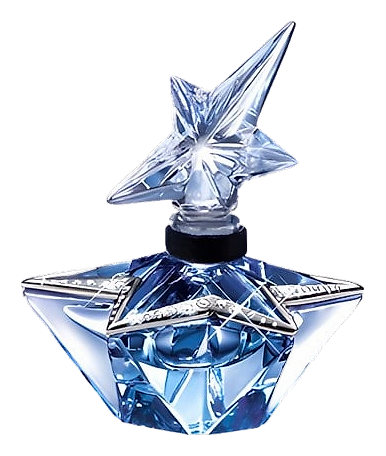
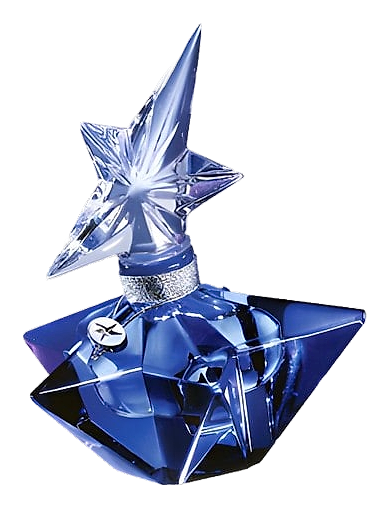
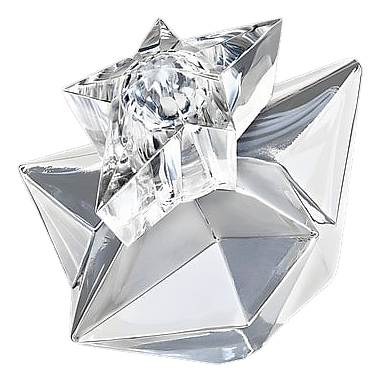
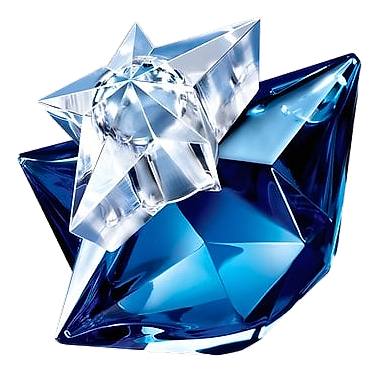
Winter Star arrived in 2000 as a collector's edition of Angel, Mugler's original 1992 blockbuster that single-handedly invented the gourmand category. Where the original Angel disrupted perfumery with its patchouli-praline clash, Winter Star pushed the same logic further: more concentration, a collectors-worthy star-shaped flacon, and a name that promised something celestial and cold made warm. It was a statement piece for a house that never confuse'd subtlety with artistry.
The notes, plum, peach, melon, vanilla, patchouli, sandalwood, don't reinvent Angel so much as amplify it. The fruit accord becomes rounder, almost jammy. The vanilla doesn't whisper; it takes over. What makes Winter Star structurally interesting is how the citruses listed in the composition behave like a brief opening credit before the main event of sweetness and wood arrives. It's Angel compressed into something denser, more indulgent, built for someone who loved the original but wanted it to stop holding back.
The evolution
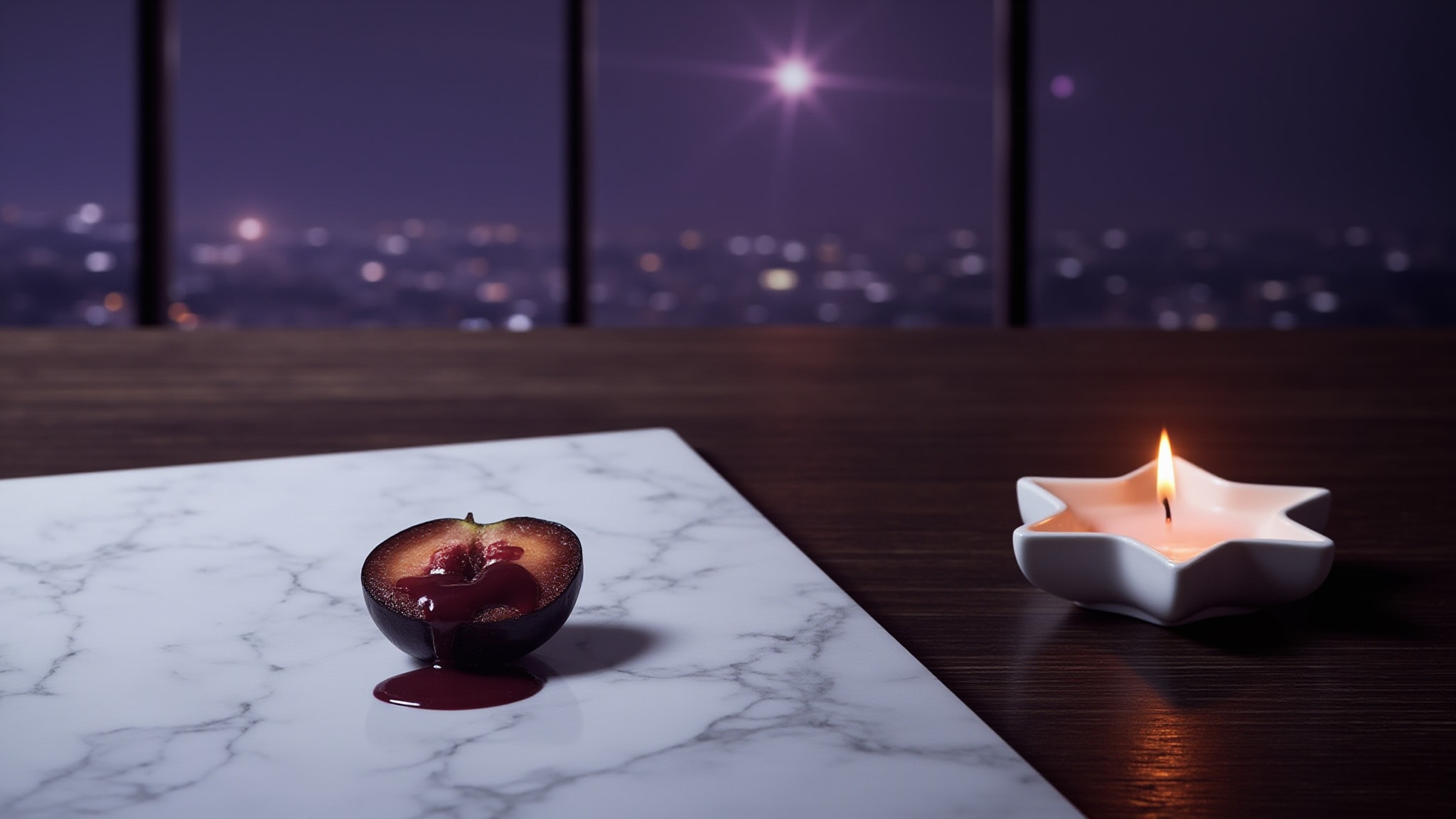
The opening is all about fruit, plum sweetness hitting bright and almost tart, with a fleeting citrus zing that vanishes within minutes. Then the patchouli arrives, but it's not the earthy kind from potpourri; it's the Mugler kind, caramelized, almost chocolatey, working alongside the vanilla to build something that smells like the inside of a candy shop at midnight. Peach and melon keep it juicy. Sandalwood emerges in the background, soft and warm, preventing it from going fully linear. By the drydown, the vanilla and patchouli have merged into a sweet-woody haze that clings, projection is bold for the first two hours, then settles into a skin-hugging warmth that whispers for another four to six. On fabric, it survives a wash cycle. The star-shaped bottle itself becomes part of the experience: heavy, sculptural, a reminder that Mugler has always treated fragrance as object as much as scent.
Cultural impact
Winter Star exists in the shadow of one of the most consequential fragrances in modern history. Angel's 1992 debut redefined what a women's fragrance could smell like, sweet without apology, bold without masculine associations. Winter Star, as a limited-edition concentration, became a collector's item almost by definition: same house, same logic, same audacity, compressed into a star-shaped bottle that doubled as sculpture. Wearers who tracked it down weren't just acquiring a fragrance; they were acquiring a artifact from a house that treats every release as a cultural statement.