The Story
Why it exists.
The beginning
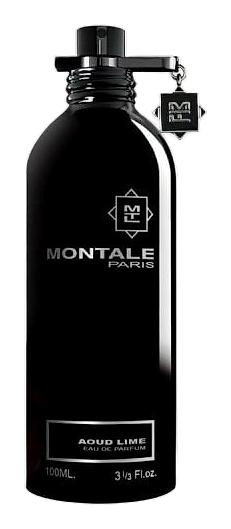
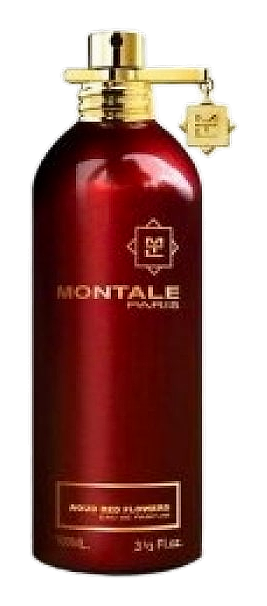
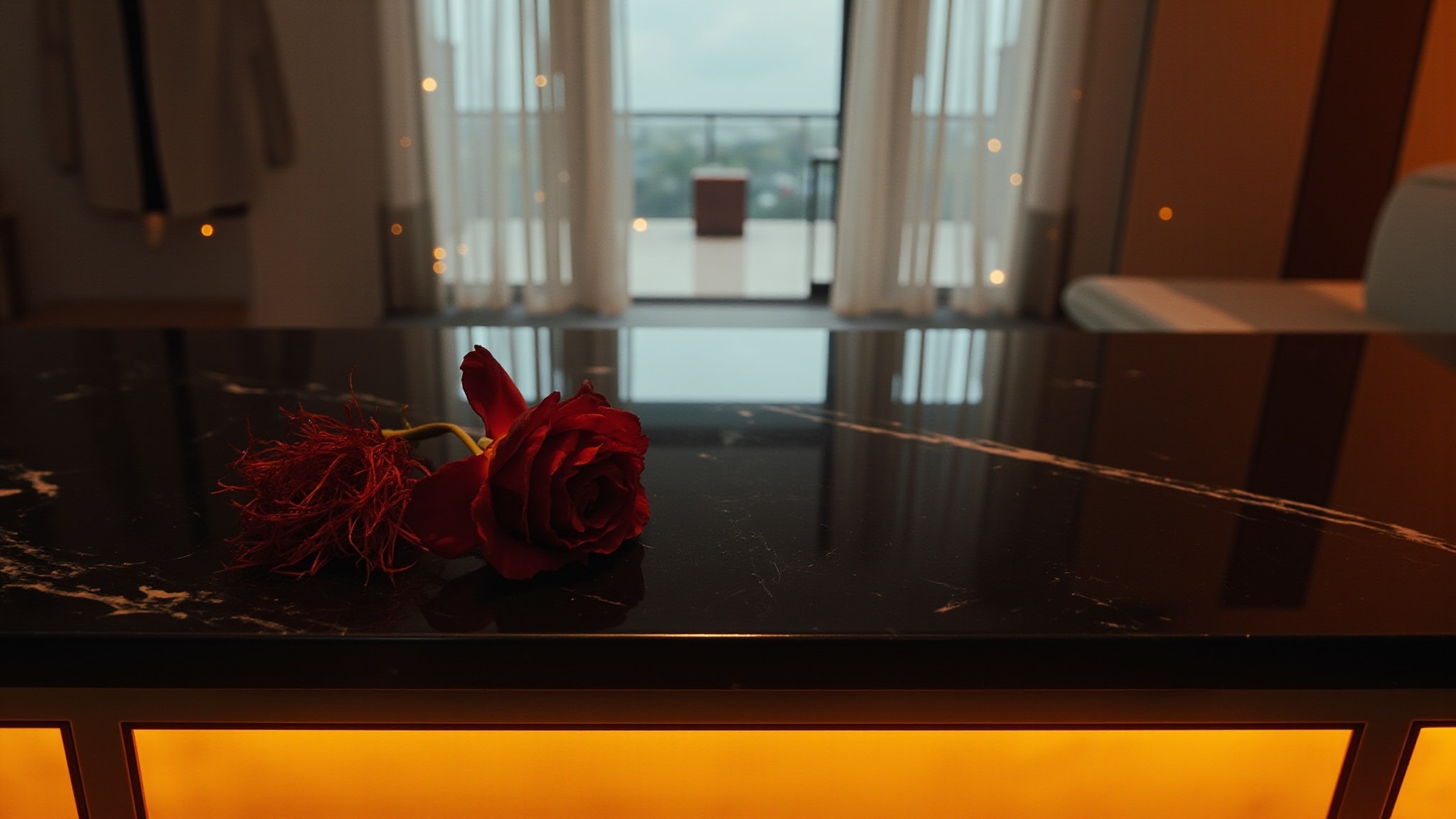
Aoud Red Flowers arrived in 2008, a composition that takes the oud-rose axis of Eastern perfumery and twists it with tagetes, the so-called pot marigold, which brings a bitter, fruity, almost herbal edge that straight rose compositions rarely deliver. The name says it plainly, red flowers, aoud, no ambiguity. The saffron adds a leathery warmth that grounds the florals, while sandalwood softens what could otherwise be an austere opening. The concentration is generous, the projection is assertive, and the sillage leaves no doubt that this is a fragrance designed to fill a room and hold its shape through the evening.
What makes Aoud Red Flowers worth attention is the tagetes. Most rose-oud pairings settle into a predictable groove: the rose opens, the agarwood deepens, sandalwood cushions the landing. Here, the calendula, also known as tagetes or pot marigold, introduces a facet that catches the nose off guard. It is slightly bitter, faintly fruity, and carries an almost apple-stem greenness that keeps the rose from going syrupy.
The evolution
The first thirty minutes are a statement. Saffron arrives first, hot and leathery, with the oud close behind, smoky, animalic, unmistakably present. The tagetes cuts through almost immediately, its bitter-green character preventing the opening from collapsing into pure spice. Then the rose arrives, not as a timid supporting note but as a full-bodied presence, rich and slightly jammy, threaded through the saffron's warmth. The sandalwood is already working underneath, giving the mid-phase a creamy architecture that holds everything together. By the third hour, the composition has shifted. The saffron recedes, the tagetes softens into something almost honeyed, and the oud takes on a quieter, more woody character. The rose persists, darker now, less petal and more dried flower.
Cultural impact
Aoud Red Flowers is one of the more distinctive entries in Montale's catalog. The addition of tagetes gives it a character that stands apart from the rose-oud compositions that came before it. It appeals to wearers who already know what oud smells like and want something that pushes past the genre's more predictable offerings. The tagetes acts as a counterweight to the sweetness of the floral, and the result is a composition that feels deliberate rather than formulaic. It rewards close attention, and it wears with the kind of confidence that suggests the perfumer understood exactly what they were building.