
The Story
Why it exists.
The beginning
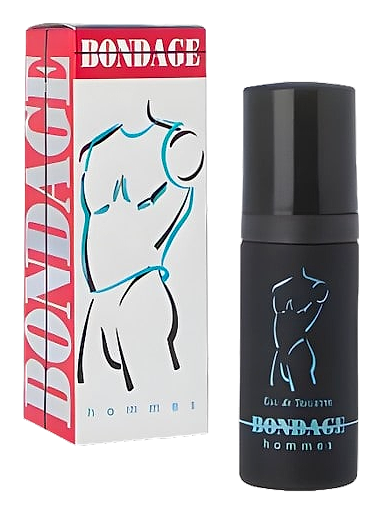
Bondage Hommes exists because someone at Milton Lloyd decided the name should be the promise. Complex and provocative, that's the brief, that's the brief answered. Aromatic absinthe, spicy cardamom, cedar, sweet vanilla: the ingredients were chosen to deliver exactly what the label implies. Not a quiet fragrance. Not a safe one. A statement made in the language of lavender and tonka bean, with a mint-forward opening that announces itself before asking permission.
The absinthe note is the tell. Wormwood and artemisia give Bondage Hommes that sharp, almost bitter quality, the same green flash you'd get from a glass of the real thing. Most aromatic fragrances open with citrus or marine notes. This one goes herbal and a little dangerous, then uses the cool of mint to keep it from becoming unwearable. The tonka bean in the heart is doing two jobs: sweetening the lavender and adding that powdery warmth that makes the drydown feel like something expensive. The fact that it costs what it costs is beside the point. The point is that the composition works.
The evolution
The opening is an event. Mint and absinthe arrive together, bright and sharp, with cardamom underneath adding spice without heat. The first twenty minutes are demanding, this is not a fragrance that eases in politely. Then the lavender emerges, softening everything, and the tonka bean follows, sweetening the deal. By the second hour, the fougere structure is fully in control: warm, powdery, intimate. The drydown is vanilla and musk wrapped in sandalwood, close to the skin but persistent. Eight to ten hours on most skin types. It doesn't project forever, but it stays.
Cultural impact
Bondage Hommes arrived during a period when designer fragrances were expanding their reach into markets previously dominated by luxury houses. Milton Lloyd, established in 1975 in London, positioned this scent as an accessible entry point into aromatic fougere territory that had previously required significant investment. The fragrance reflects a broader movement in British perfumery toward democratizing complex scent structures, making bold oriental-fougere combinations available to working-class consumers who wanted premium-character fragrances without boutique pricing. Its continued availability speaks to sustained demand for classic masculine aromatic profiles that balance sweetness with herbal freshness.