
The Story
Why it exists.
The beginning
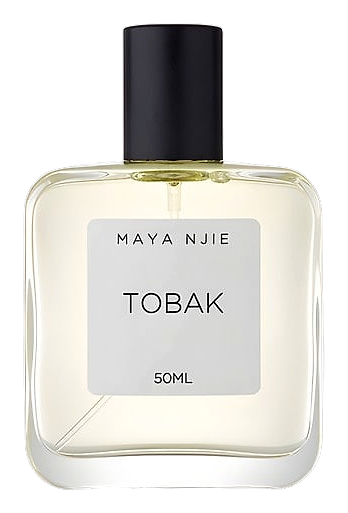
Tobak arrived in 2016 as Maya Njie's study in contrast, dark yet comforting, pointed yet familiar. The name itself signals a particular inheritance: tobacco as warmth, as ritual, as the scent of rooms where people actually lived. For Njie, whose work translates memory and place into scent, Tobak became a way to capture something specific, the comfort that exists just before it becomes compulsion, the warmth you reach for until it reaches back. It is the smell of late afternoons in rooms that have absorbed years of living, where smoke and skin and time have mingled into something that feels less like a fragrance and more like a presence.
What makes Tobak work is restraint. Tobacco and leather are notes that can overwhelm, that announce themselves like a door slamming. Here, they're held close, made intimate. The vetiver keeps things dry and aromatic, the cinnamon adds warmth without sweetness, and the animalic musks in the base create a skin-like quality that makes the whole thing feel worn rather than applied. It's a fragrance that behaves like something you've owned for years.
The evolution
The opening is all vetiver, dry, green, almost mineral. Tobacco leaf arrives within minutes, but it's the leaf before it's been cured, still holding its bitter edge. Then the leather surfaces, and something shifts. Not dramatic. Just a slow settling, like sitting down in a chair you've already tested. The heart is where the warmth lives: musks that carry a faint animalic sweetness, cinnamon that pulses beneath the surface. By hour three, the tonka bean emerges, a soft, almost powdery sweetness that rounds everything into comfort. The drydown lasts. Close to the skin, intimate, the kind of presence that doesn't fill a room but lingers in it, with moderate sillage that rewards proximity. On some skin, the vetiver stays present throughout, a green thread running through the entire wear. On others, it fades quickly, letting the tobacco lead.
Cultural impact
Tobak sits alongside fragrances like Serge Lutens Chergui and Tom Ford Tobacco Vanille in the tobacco-leather comfort category, though Njie's version is drier, less sweet, more intimate. What sets it apart is the animalic musk base, that skin-like quality that makes it feel worn rather than applied. The fragrance avoids the theatrical qualities that can make tobacco scents feel overwrought, instead offering a quiet warmth that works equally well in daylight or in the evening. For those who want tobacco without the performance, it provides an alternative approach, one that feels personal rather than announced.