The Story
Why it exists.
The beginning
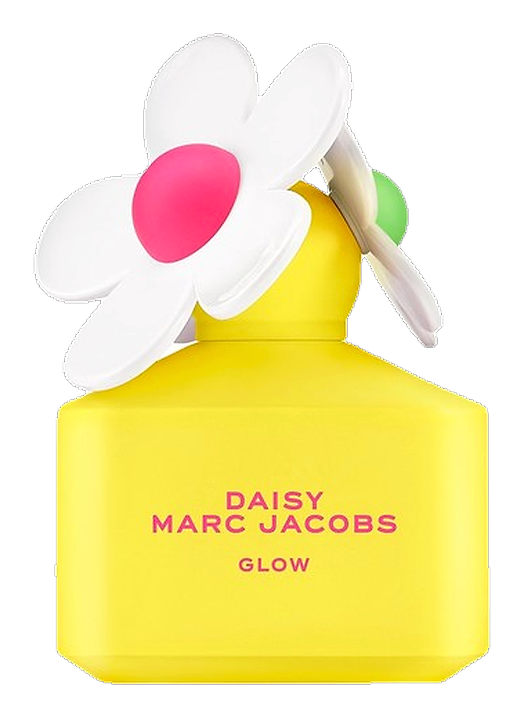
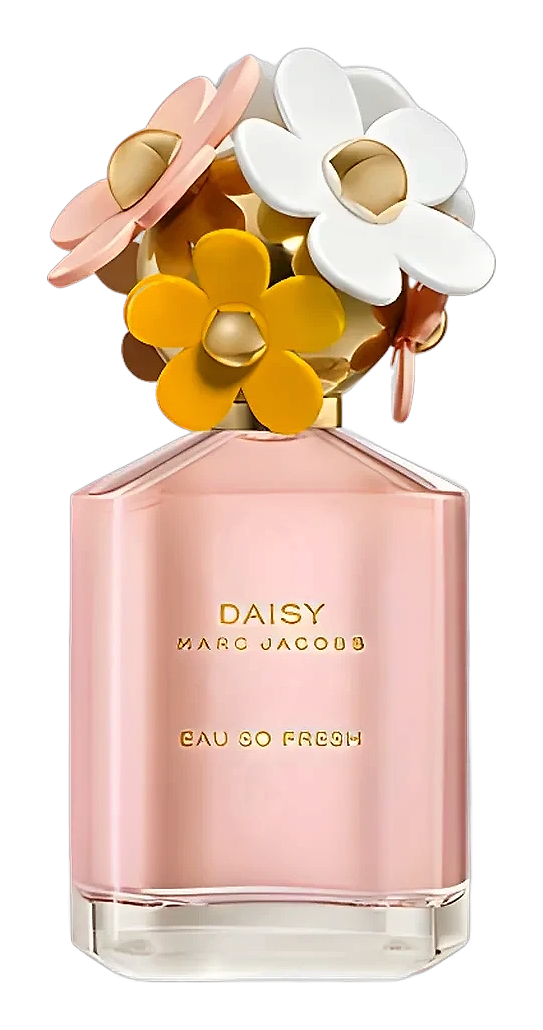
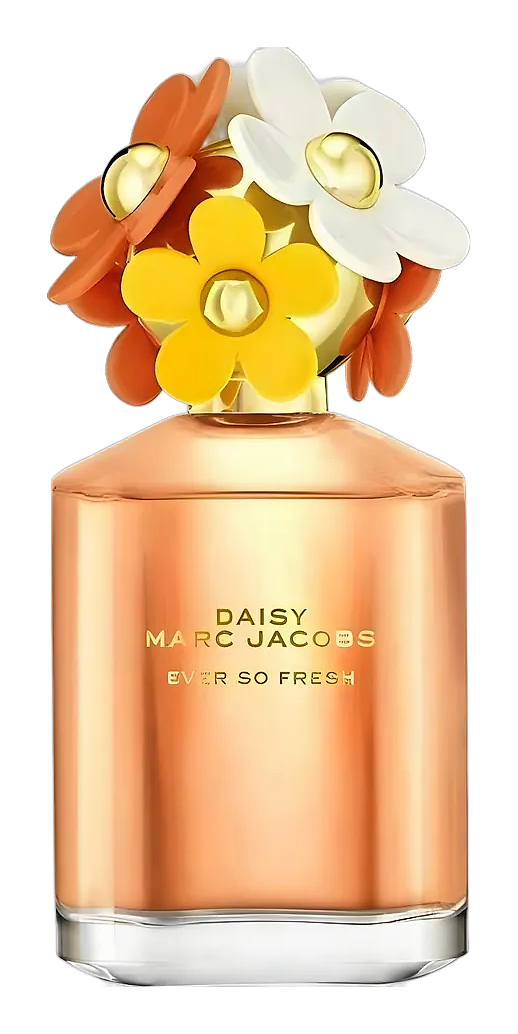
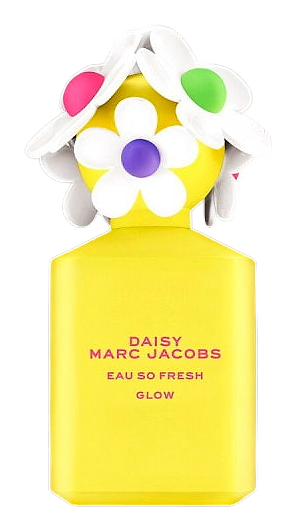
Daisy Eau So Fresh Glow entered the Daisy constellation in 2024 as a limited edition flankers, a bright new star in a collection that began with the original Daisy in 2007. The line takes its name from Daisy Buchanan, F. Scott Fitzgerald's golden girl from The Great Gatsby, and the name has always carried that same quality of luminous, slightly elusive charm. Alberto Morillas, the veteran nose behind countless Marc Jacobs fragrances, composed this edition with an eye toward the fresh and the glowing. The brief was simple: capture the feeling of light hitting skin in the morning, before the day gets complicated.
What makes this composition interesting is the interplay between the citrus top and the yellow floral heart. Grapefruit and pear open bright and tart, but the mimosa in the base brings a honeyed, almost waxy warmth that softens the edges. It's not a transparency fragrance, there's weight here, a creaminess that keeps it from disappearing entirely. The cedarwood and musk base gives it staying power that the opening suggests it might not have. Violet acts as the bridge, powdery and familiar, connecting the fruity brightness to the woody warmth underneath.
The evolution
The opening arrives crisp and immediate, grapefruit zings, pear adds a watery sweetness. Within minutes, the raspberry emerges, darker and juicier than the pear, shifting the composition toward something more plush. The violet heart takes its time, arriving around the thirty-minute mark as a soft, powdery presence that rounds out the fruitiness. By the second hour, the mimosa and cedarwood have settled into the skin, giving the fragrance a clean-woodsy drydown that smells like sun-warmed cotton. The musk keeps everything close, intimate rather than projecting. On most skin types, this lasts three to four hours before fading to a quiet skin presence.
Cultural impact
Daisy Eau So Fresh Glow exists in a crowded space, the fresh-floral category is well-populated, and the Daisy line itself has spawned dozens of flankers. What sets this edition apart is the limited edition status and the specific note combination: grapefruit and pear opening into violet and raspberry, anchored by mimosa. Wearers describe it as elevated laundry soap, clean, fresh, and unapologetically simple. It occupies the same territory as the original Eau So Fresh but with a brighter opening and a warmer drydown. The fragrance suits someone who wants a signature scent that doesn't announce itself but still brings a smile.
The House
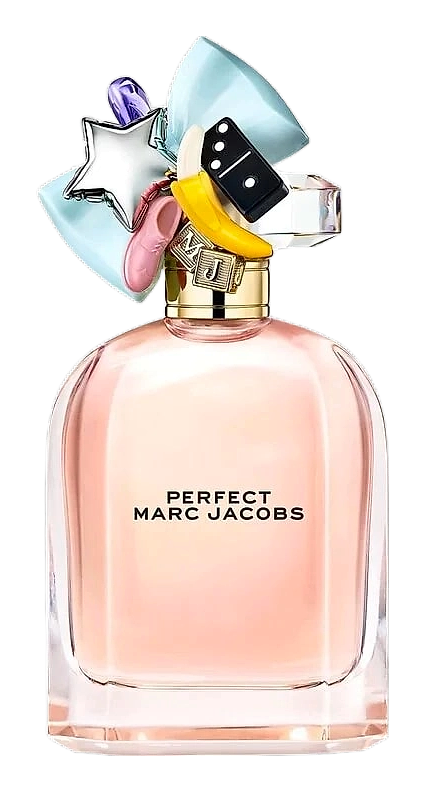
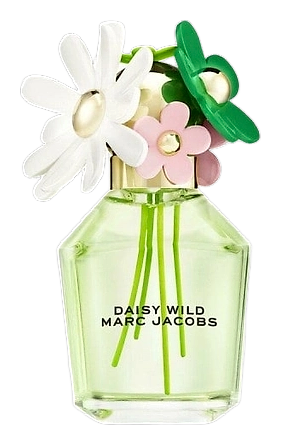
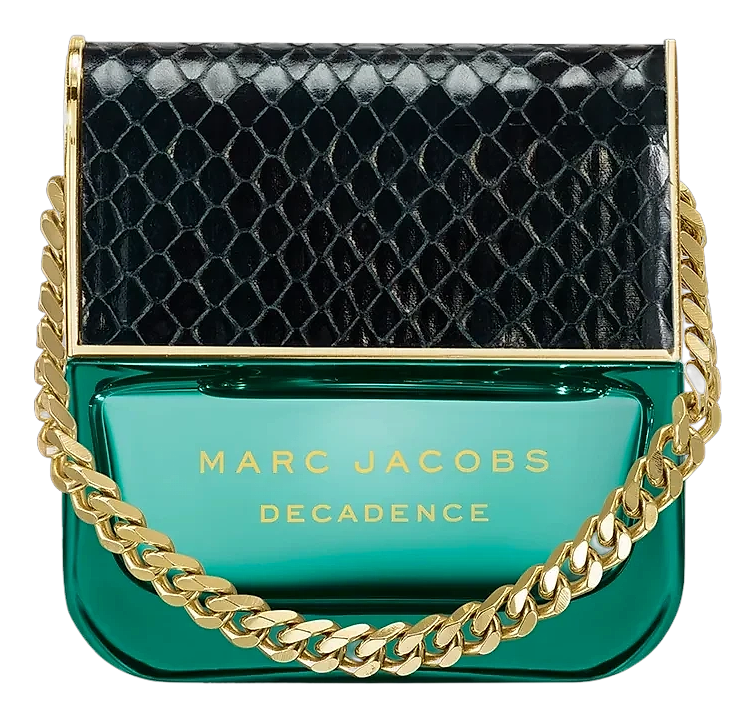
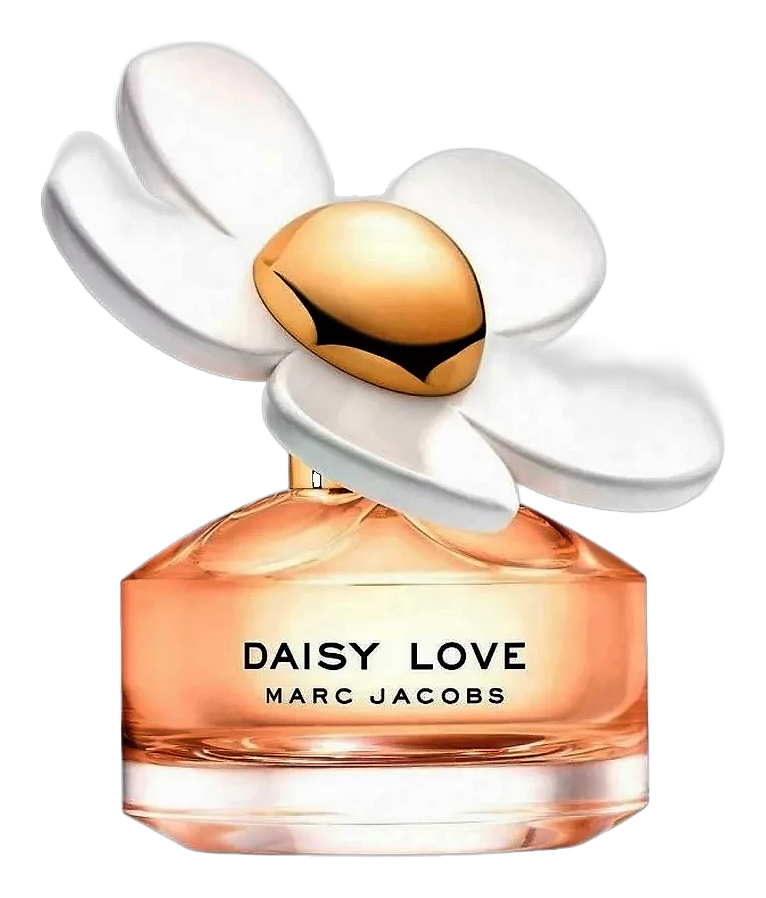
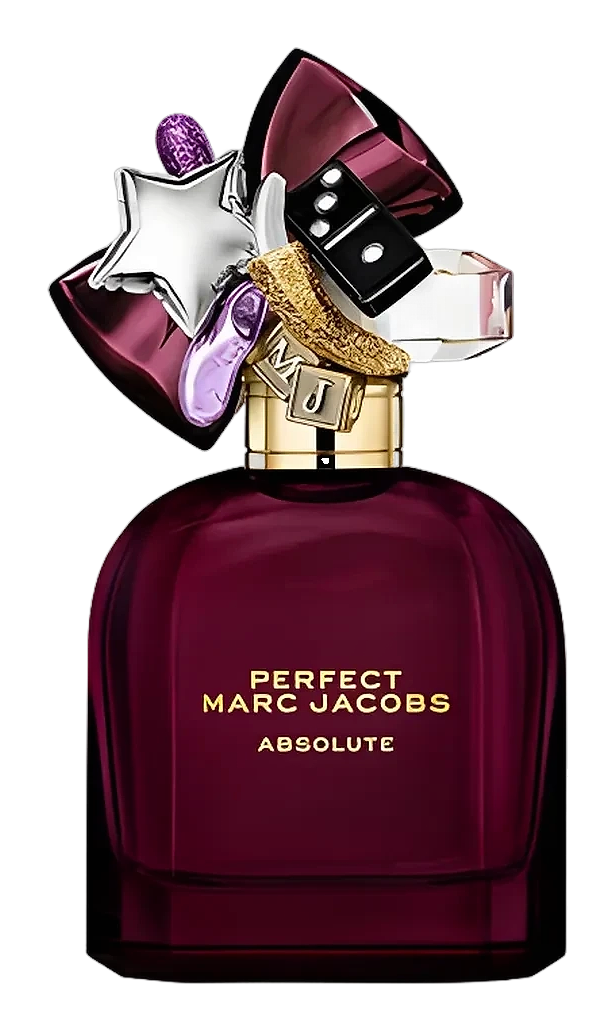
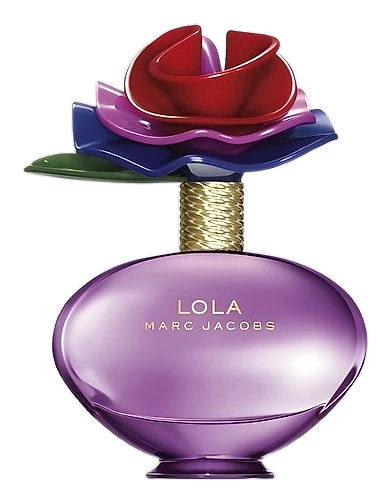
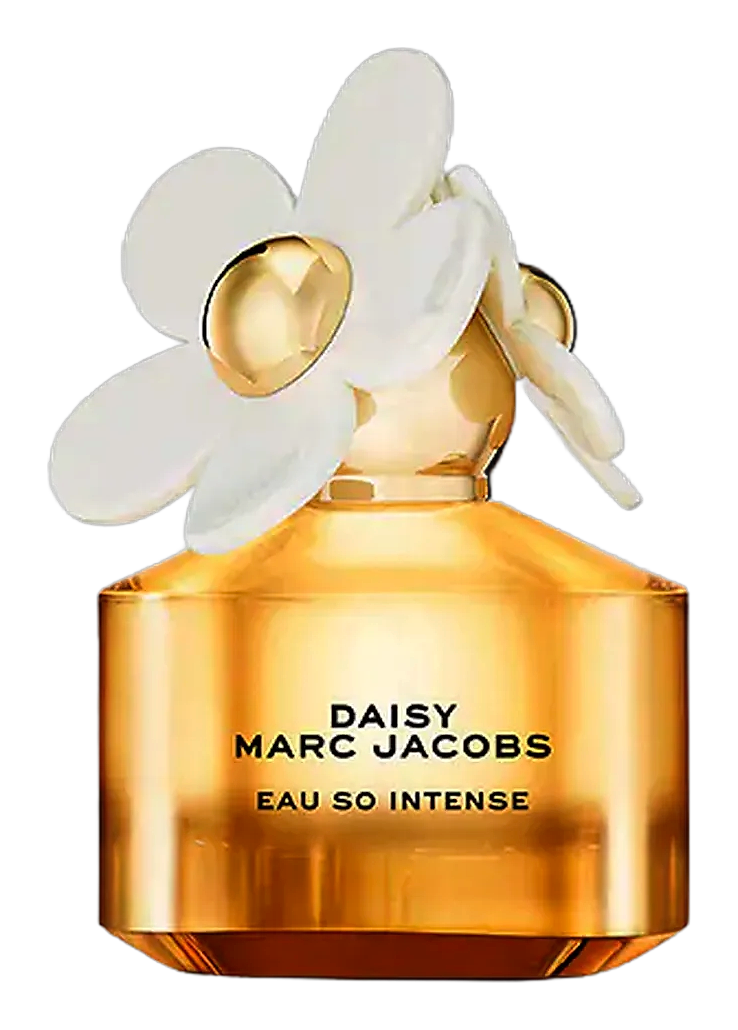
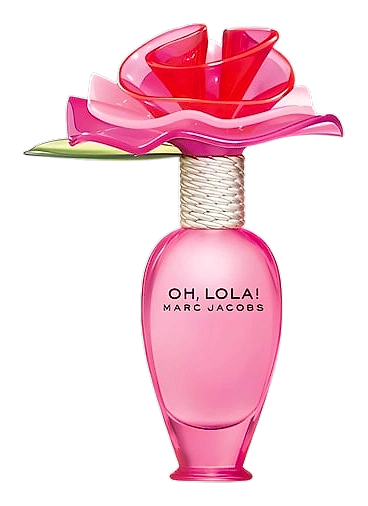
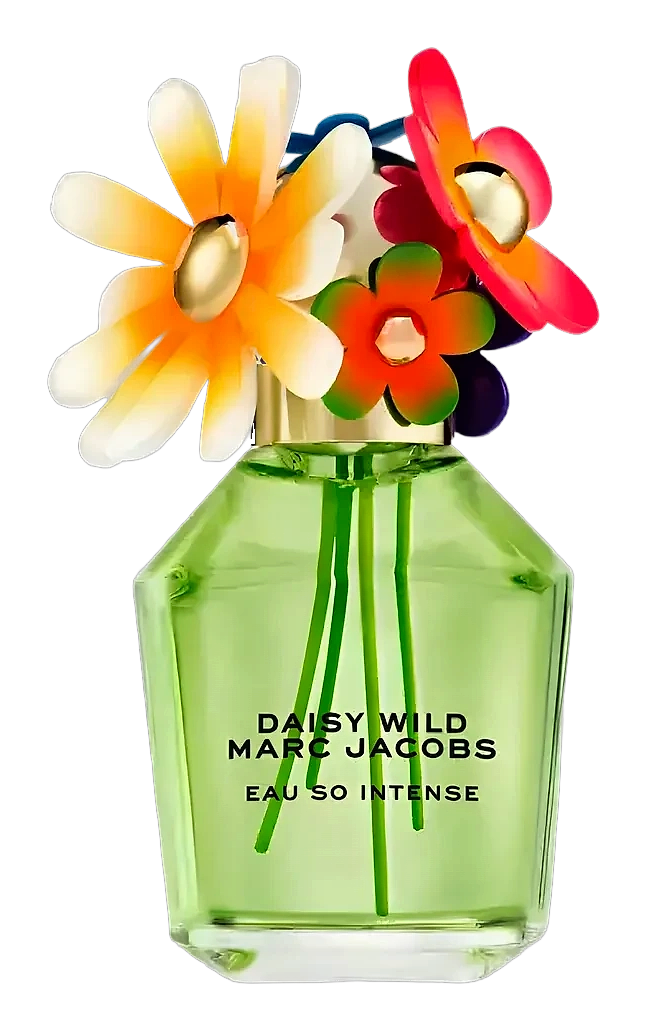
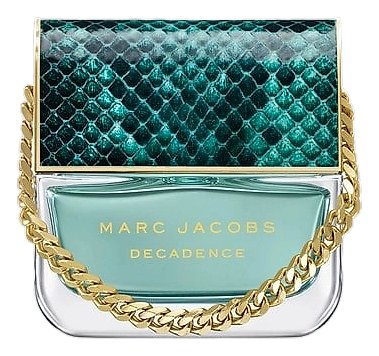
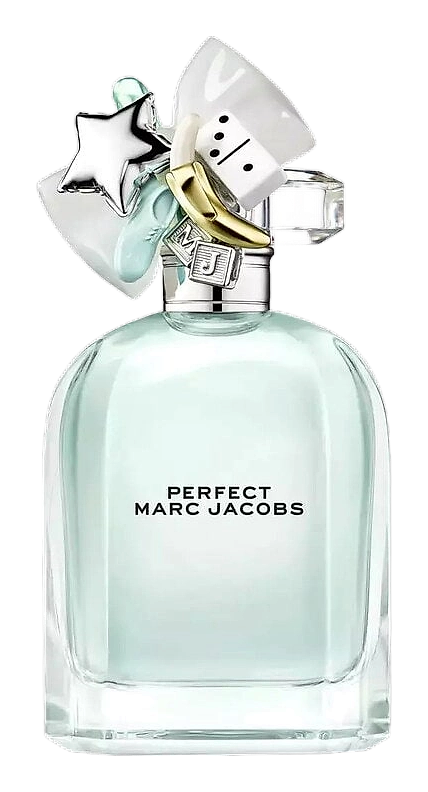
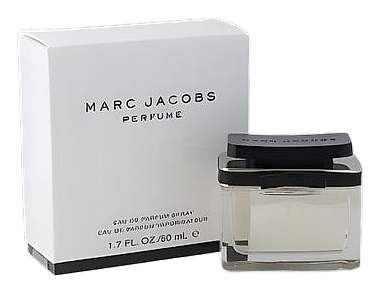
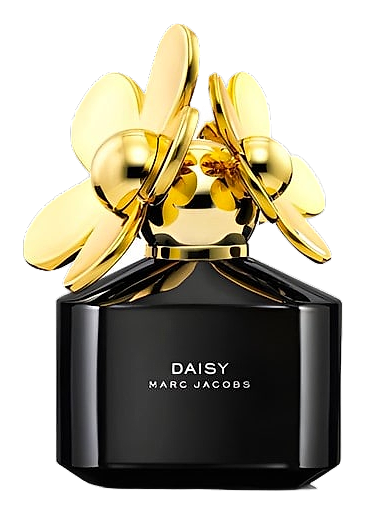
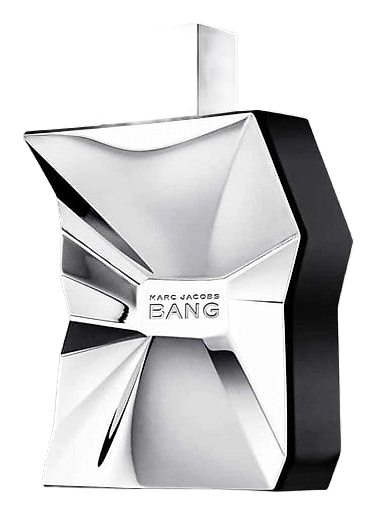
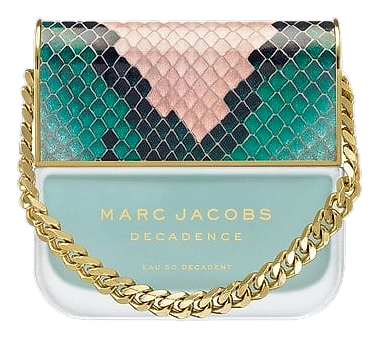
Marc JacobsMarc Jacobs fragrances, produced under license by Coty, launched in 2001 with Marc Jacobs for Women, followed by a companion men's scent in 2002. The brand has since built an extensive portfolio of fragrances anchored by signature lines including Daisy (2007), Lola (2009), Decadence (2015), and Perfect (2020). Daisy, named after Daisy Buchanan from F. Scott Fitzgerald's The Great Gatsby, quickly became a defining success for the brand, spawning numerous flankers and variations across multiple collections. The line's visual identity, with its oversized daisy cap atop a clean bottle, became one of the most recognizable silhouettes in contemporary perfumery. Decadence introduced a handbag-shaped bottle on a gold tasselled chain, a notably unconventional vessel for fragrance at the time of its launch. The brand has collaborated with a broad roster of perfumers over the years, including Annie Buzantian, Ann Gottlieb, Steve DeMercado, Loc Dong, Alberto Morillas, and Calice Becker, among many others. Marc Jacobs fragrances are available at major department stores worldwide and online.
The Creator
Alberto MorillasMorillas' style is characterized by a luminous transparency and a masterful use of musks. He often incorporates citrus notes to create a bright, uplifting effect.