The Story
Why it exists.
The beginning
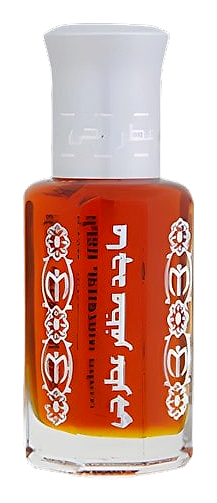
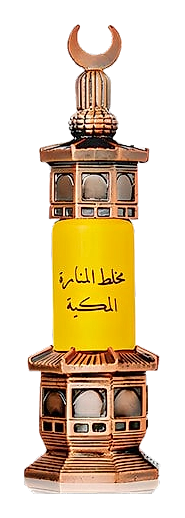
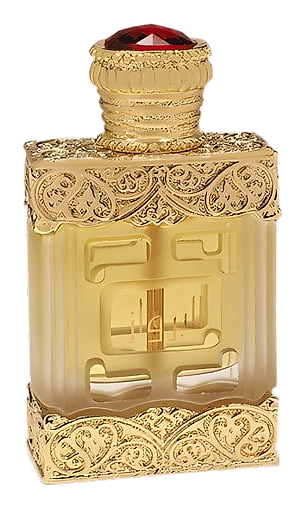
Mukhallat Kiswat Al-Kaaba was launched in 2007 by Majid Muzaffar Iterji. Fragrantica and search snippets support the 2007 release date, while Parfumo lists the year as unknown, making 2007 the date most widely attributed to the fragrance. The perfumer is not identified in the available sources. Its declared materials are simple: Musk and Woody Notes. That restrained composition places the fragrance within a focused musk-and-wood profile, with the soft, rounded character of musk set against the darker structural presence of wood. Rather than relying on a crowded list of recognisable note categories, the fragrance presents its central materials clearly. Musk contributes a powdery, skin-like softness, while woody notes lend dryness, grain and depth.
The combination of Musk and Woody Notes gives Mukhallat Kiswat Al-Kaaba its central character: powdery softness against dry, polished depth. Musk brings a skin-like warmth and the suggestion of powder, while the woody material adds structure and a slow-burning grain. That pairing also explains the broader accords associated with the fragrance, including woody, musky, powdery, animalic, sweet, Oriental and resinous notes. It isn't a single-note show.
The evolution
Mukhallat Kiswat Al-Kaaba begins with a soft, powdery impression, as though musk and polished wood have already settled into fabric. The opening feels neat and close, with sweetness present but controlled. As it develops, the woody character gains weight while the animalic side of the musk becomes clearer. It is the fragrance's most distinctive turn: from clean powder to something warmer and more tactile, closer to skin and worn cloth. The drydown keeps that balance, pairing resinous depth with the lingering sweetness of musk. The listed Musk and Woody Notes suggest an arc from a gentle, diffused opening toward a warmer and more structured expression, followed by a drydown in which the wood and musk remain closely intertwined. Rather than announcing itself with a single dominant gesture, the composition changes through the relationship between its two core materials.
Cultural impact
Mukhallat Kiswat Al-Kaaba can be understood through the fragrance materials themselves rather than through unsupported claims about its cultural role or intended use. Musk is one of the most recognisable accords in Middle Eastern fragrance, while woody notes provide a drier, more architectural counterweight. Their meeting gives this composition a familiar sense of depth without relying on a crowded list of materials. The fragrance is also a useful case in looking at how a simple note pairing can create variety: musk may suggest powder, warmth and skin, while wood can evoke polished surfaces, dry grain and quiet structure.
The House
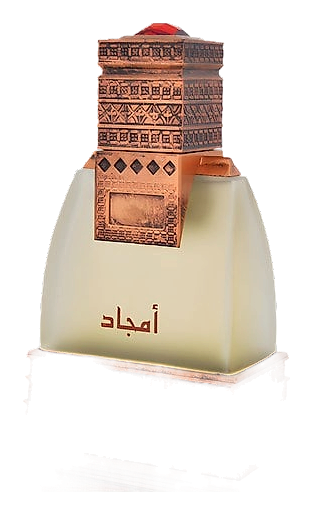
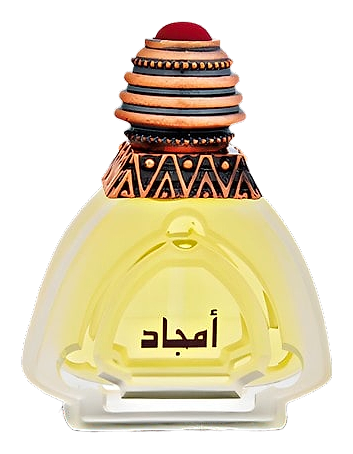
Majid Muzaffar IterjiMajid Muzaffar Iterji is a Saudi Arabian perfume house that traces its roots to the mid‑1950s. The family‑run business began near the Sacred House of Mecca, where the first batches of pure, natural oils were distilled for local customers. Over the decades the brand has built a catalogue that includes more than eighty fragrances, ranging from classic oud blends to modern eau de parfums such as Amjad (2008) and Rouh Al Amber (2007). Today the house continues to supply amber, agarwood and musk oils to retailers across the Gulf region, while keeping its production anchored in the traditions of its founders.
The Creator
Majid Muzaffar IterjiMajid favors a clear, layered architecture that lets each ingredient speak. He builds his scents around a strong base of natural woods, musk, or amber, then adds a bright top that catches attention.