The Story
Why it exists.
The beginning
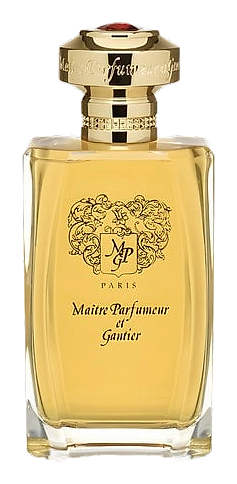
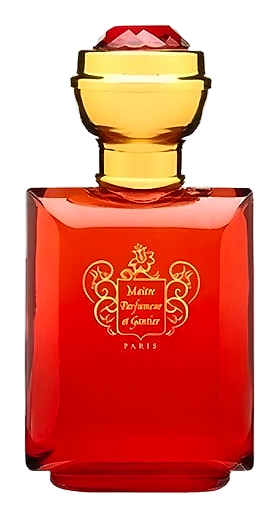
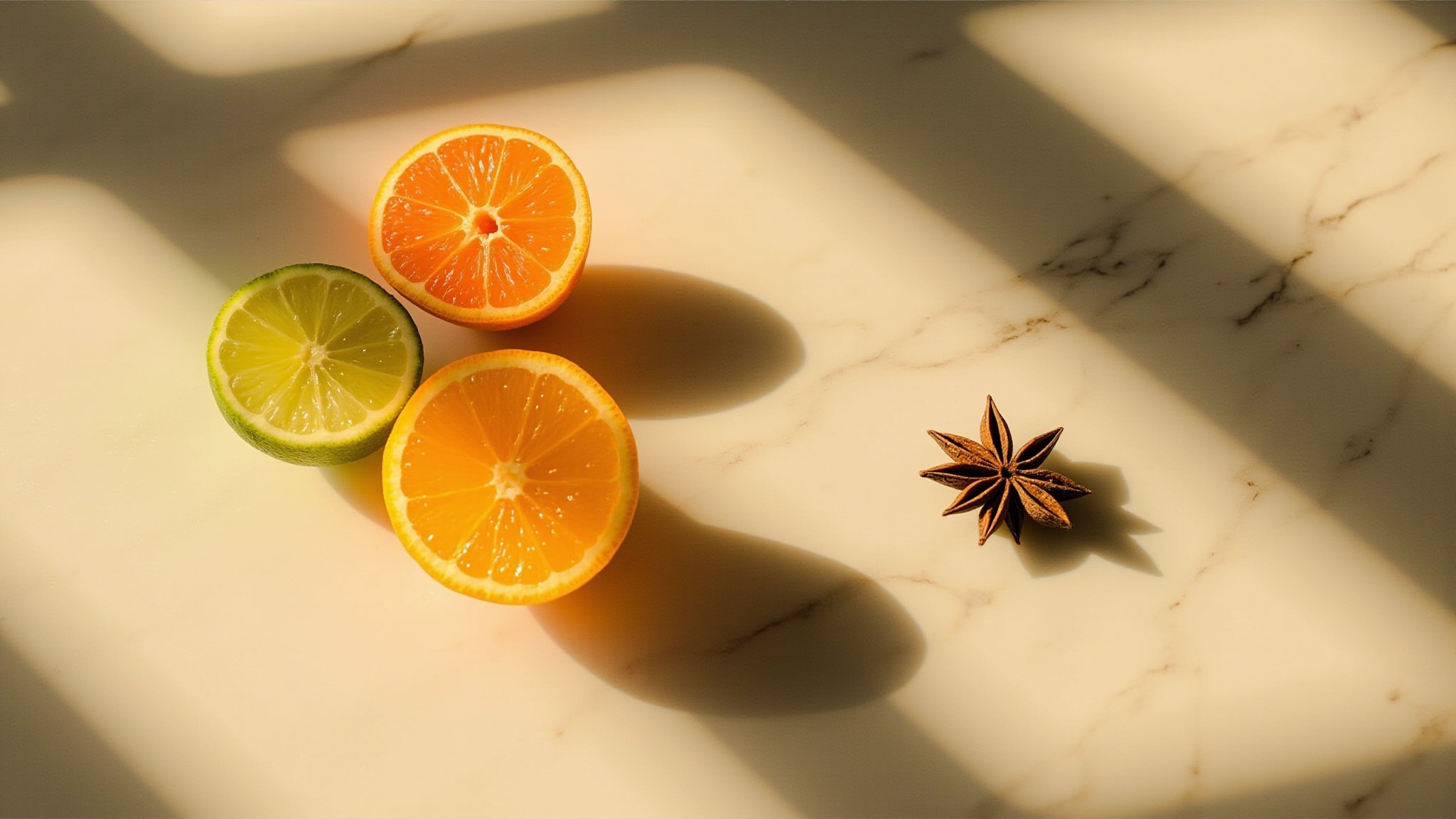
Fraîche Badiane: the name says exactly what the fragrance delivers. Fraishe for the bright citrus and basil that open the composition, badiane for the star anise that defines the heart and drydown. It's a fragrance built on contrast, aromatic freshness meeting the cool, dry character of anise as it moves through its stages. The initial burst of citrus and basil gives way to a more austere anise presence, creating a push and pull that makes the composition feel purposeful. Laporte understood that a bright opening alone doesn't leave a lasting impression. Freshness needs somewhere to go, a second act that earns the attention the top notes demand.
Star anise is an unusual choice for a masculine fragrance. It has a cool, slightly medicinal quality that commands attention rather than asking politely. The basil in the opening works alongside the citrus, making the initial brightness feel intentional rather than ornamental, and the anise that follows feels like a natural evolution rather than a jarring shift. The patchouli base does what patchouli does: it grounds the whole composition without adding warmth. The structure feels deliberate, each stage positioned to support the next.
The evolution
The opening is immediate: citrus and basil arrive together, dewy and tart. The character shifts as star anise enters, cooler, more austere, less concerned with immediate appeal. The heart holds anise and thyme weaving through each other while the citrus recedes into the background, becoming a warm presence beneath the assertive anise. The drydown brings patchouli and musk, warm but restrained, intimate rather than projecting. A quiet trace of anise lingers beneath, a persistent quality that keeps the fragrance from disappearing entirely.
Cultural impact
Fraîche Badiane, from the Aromatiques collection, arrived with an aromatic character built on star anise and a cool, dry finish. At a time when masculine fragrances often emphasized warmth, this composition offered something distinctly different: anise as a defining element rather than a background accent, with a character that refused to soften. The dry, austere quality of the anise set it apart from the dominant warm woods and amber approaches of the period.