The Story
Why it exists.
The beginning
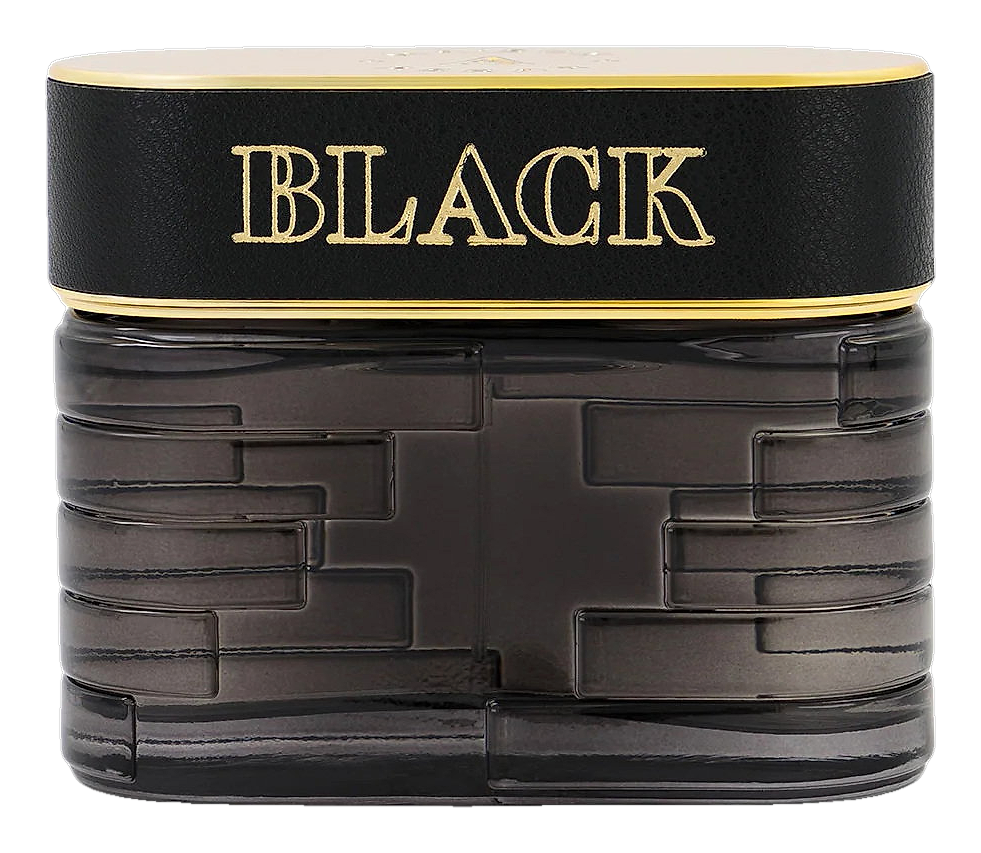
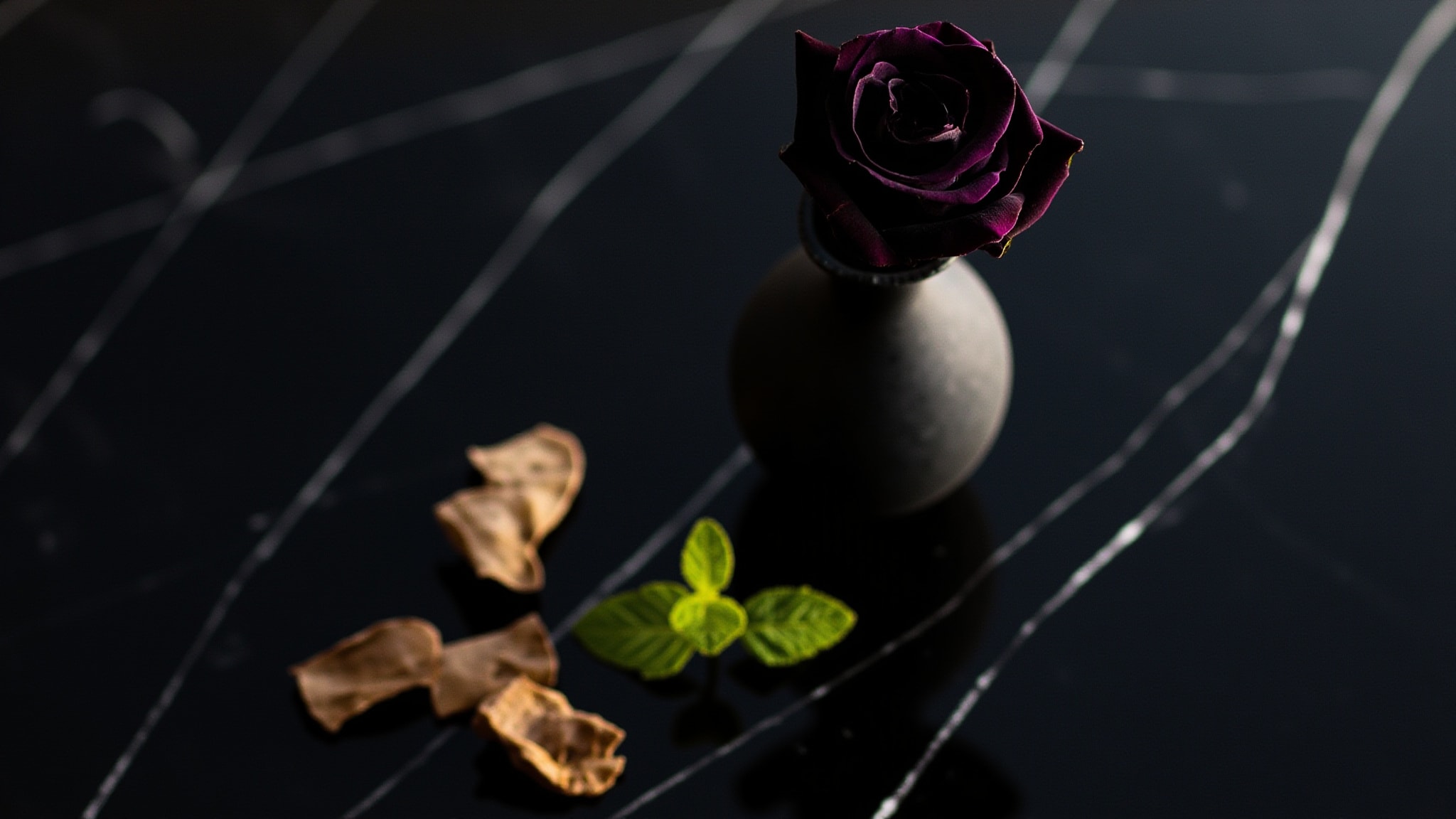
Maison Asrar built Black around the myth of Halfeti's black rose, a bloom that deepens to violet when mineral-rich soil meets the night air. That origin story informed the fragrance's architecture from the start. The brand's approach honors this dark floral legend while exploring how modern perfumery can interpret that transformation through contrasting materials.
The note selection reflects a deliberate balance between contrasts, spicy and fresh, warm and cool, woody and sweet. Each layer builds on the previous one, creating tension that keeps the fragrance dynamic. The mint and herbal heart soften the initial citrus-spice intensity before the woody base emerges. Tonka bean's subtle sweetness in the finish prevents the drydown from becoming too austere, allowing the warmth to linger without overwhelming. This layered structure reflects the brand's philosophy: darker notes should not dominate but should unfold gradually, revealing complexity as the wearer moves through the day.
The evolution
In 2026, Maison Asrar made a pivotal choice: pairing that dark floral mythology with a contrasting material palette. The opening combines grapefruit, cinnamon, and ginger, a trio that immediately signals warmth and spice, grounding the legendary rose in something tangible and vivid. Grapefruit brings sharp citrus brightness, cinnamon adds familiar warmth, and ginger delivers a spicy lift. This sets the stage for what follows. The heart introduces lavender and mint, creating a cooling herbal quality that tempers the opening warmth. Lavender brings aromatic freshness while mint delivers crisp green nuance. The drydown settles into cedarwood as the dominant woody anchor, supported by cashmeran for soft warmth and tonka bean for subtle sweetness. This progression mirrors the rose's own journey, with each layer revealing how Maison Asrar translates myth into material reality.
Cultural impact
Black emerged at a time when the Middle Eastern perfume market was embracing bold, narrative‑driven creations that blend heritage ingredients with modern techniques. Its launch in 2026 coincided with a surge of interest in regional storytelling, prompting boutique retailers to host tasting events that highlighted the fragrance’s citrus‑spice contrast. Consumers responded by sharing personal anecdotes on social media, noting how the mandarin top note evoked childhood memories of Mediterranean markets while the cinnamon heart recalled festive gatherings. This cultural resonance helped Black become a reference point in discussions about contemporary oud‑free compositions, influencing upcoming releases from neighboring houses that sought to replicate its balanced approach. The fragrance also sparked collaborations with local artisans, who created limited‑edition packaging inspired by traditional calligraphy, further embedding the scent within the cultural fabric of its origin city. Over the following year, sales data showed a 12% increase in repeat purchases, indicating that Black not only captured initial curiosity but also secured a lasting place in the olfactory preferences of a generation seeking authenticity blended with modern flair.