
The Story
Why it exists.
The beginning
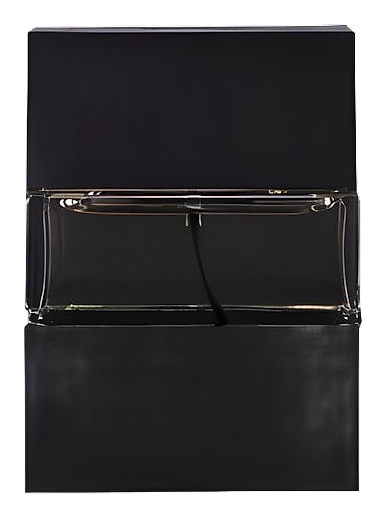
MAC approached fragrance the way the brand approached makeup, as pigment, as material, as craft. The MV line arrived in 2002 as part of the Creations series, with Cécile Krakower composing MV3 as a study in amber and leather. The brief wasn't for a safe floral or a polite daytime scent. It was for depth. For something that would smell like it belonged backstage, in the hands of artists who understood that beauty doesn't have to be comfortable to be real.
What makes MV3 unusual is its structure. Most amber-vanilla fragrances lead with sweetness and let depth arrive gradually. This one flips that sequence. The leather arrives early, woven into the opening alongside bergamot's brief brightness, sitting beneath jasmine's white floral lift. The vanilla doesn't dominate; it rounds. And the tolu balsam, a resinous accord rarely used as a structural note, gives the composition something balsamic and almost smoky in the way it holds the other materials together. Vetiver completes the picture with an earthy, mineral finish that keeps everything grounded long after the sweeter top notes have faded.
The evolution
The bergamot opens bright and citrusy, gone within twenty minutes. What replaces it is where MV3 earns its reputation, leather asserting itself immediately, amplified by jasmine's green-floral edge. The vanilla doesn't arrive all at once; it builds quietly beneath the leather, softening the animalic bite into something warmer, sweeter, more intimate. By the third hour, the tolu balsam emerges as a resinous, almost smoky bridge between heart and base. The drydown belongs to vetiver and amber, earthy, warm, powdery in the way that vetiver can be when it settles close to skin. On fabric, the leather lingers longest. On skin, it's the amber-vanilla warmth that carries into the final hours. The sillage drops from moderate to intimate after the first two hours, which suits a fragrance this dark, it stops announcing and starts whispering.
Cultural impact
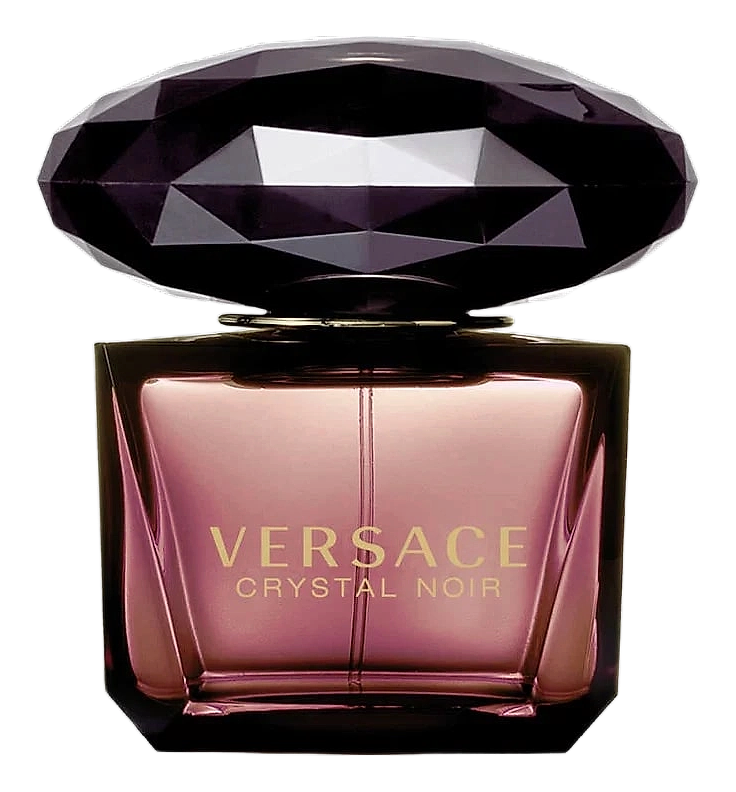
MV3 built a following among wearers who wanted fragrance to assert something, not just smell pleasant. Its smoky-animalic character earned it a reputation as a bold choice, the kind of scent that announces a presence without raising its voice. The discontinuation made it harder to find, which only deepened its cult status among collectors and enthusiasts who seek out what the mainstream moved on from. It sits comfortably alongside Dior Poison and Chanel Coco Eau de Parfum as a reference point for amber-vanilla compositions that don't play it safe.