The Story
Why it exists.
The beginning
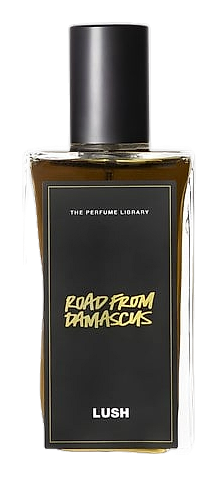
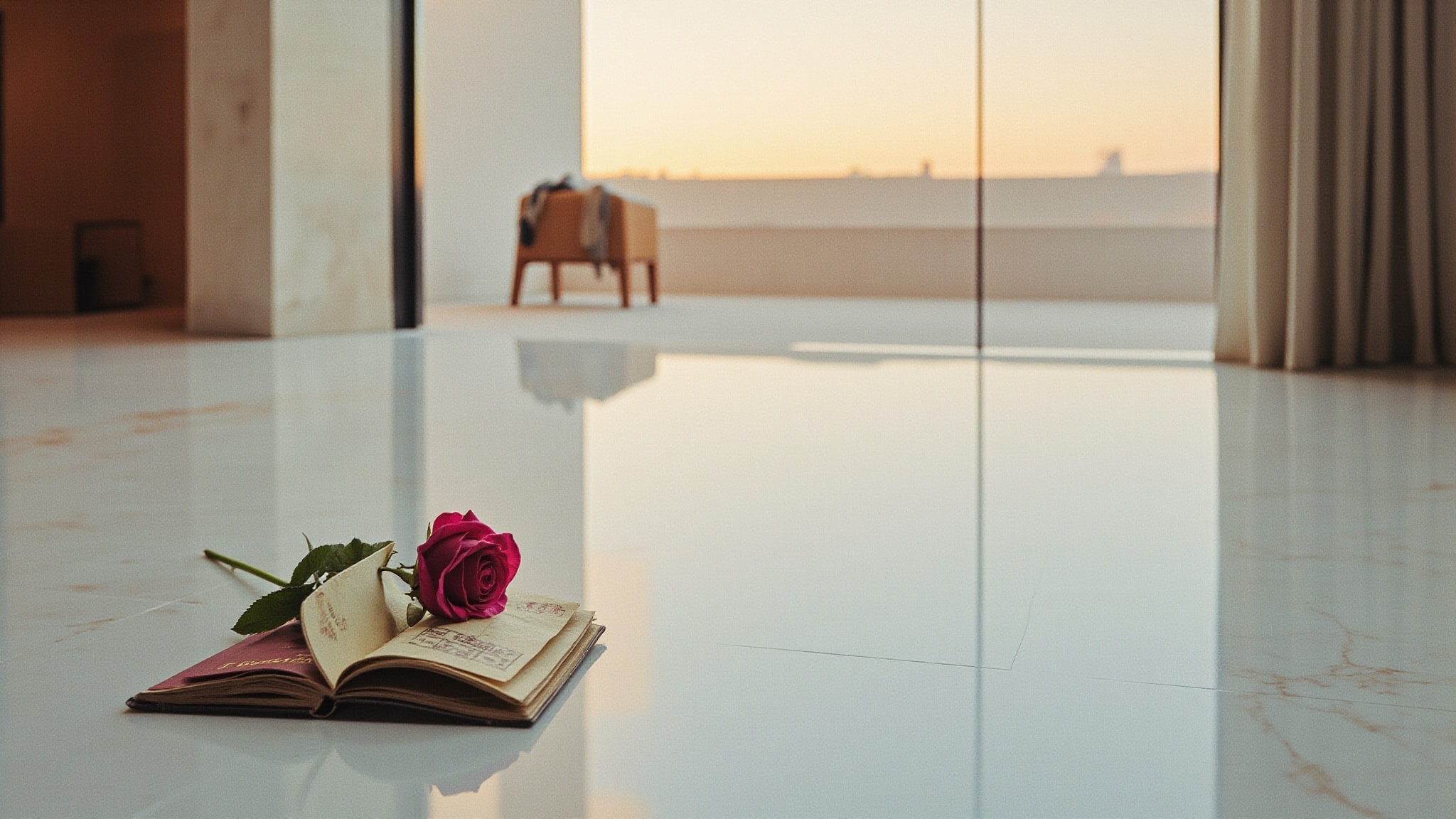
Simon Constantine traveled to Lebanon in 2017 searching for the Damascus rose and orange flower, ingredients that had defined Middle Eastern perfumery for centuries. What he found instead was a border that had shifted. A checkpoint. A warning that the road home might not be the same road back. He spoke with Syrian refugees who had carried their scent memories across borders, florals that survived the journey when so much else was left behind. Road From Damascus is named for that road, the one that doesn't always lead back to where it started.
Three materials. Bitter orange, damask rose, apricot. No complexity for complexity's sake, just the ones that matter. The bitter orange arrives aldehydic, almost medicinal, a sharp citrus edge that could cut glass. But it isn't harsh for long. The damask rose follows, cooler than expected, the powdery kind that doesn't bloom so much as settle. And apricot, the quiet anchor, warm and slightly animal, holding the whole thing close to skin rather than casting it outward. This is Middle Eastern floral tradition distilled to its essential tension: beauty earned through difficulty, sweetness after something sharp has already made its point.
The evolution
It opens cold. The bitter orange hits first, aldehydic and confrontational, not unfriendly, just unwilling to waste your time. Thirty minutes in, the rose arrives. The harshness softens, rounds, becomes powdery in the way that violets go powdery when they've been waiting. Apricot arrives last, shy, the warmth that makes you lean closer rather than step back. The drydown is intimate. Rose and orange resolved into something that stays close, maybe twelve hours on skin, longer on fabric. The next morning there's a ghost of it on a collar, the kind of thing you notice on someone passing in the street and want to follow.
Cultural impact
Released as a Gorilla Gallery exclusive in 2017, Road From Damascus arrived with weight that most limited editions don't carry. The name and the story behind it, Simon Constantine's travels through Lebanon, the checkpoint that changed his route home, conversations with Syrian refugees, gave it a context beyond the bottle. Wearers who know the story tend to wear it differently. Those who don't still find something unusual in it: a rose that refuses to be pretty for prettiness's sake, a citrus that arrives sharp and leaves soft.