The Story
Why it exists.
The beginning
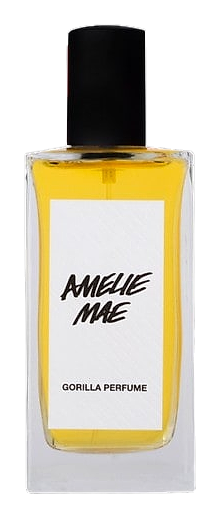
Simon Constantine, in-house perfumer, son of Lush founder Mark Constantine, created Amelie Mae for his youngest daughter. That personal origin shapes everything about it. This isn't a fragrance designed to impress a focus group or chase a market trend. It's a father's gift, built from the notes his daughter loved: lavender for its clean, garden-herb warmth, ylang-ylang for its sweet floral depth, and rose for softness. The name is the brief. Everything else followed.
What makes this combination work is the tension Simon built into it. Lavender isn't typically paired with raspberry, it's an aromatic, almost medicinal note that can read sharp or soapy. But here, the raspberry sweetness rushes in fast, softening the lavender's edges before the rose and ylang-ylang deepen everything into a warm, powdery heart. The Turkish rose absolute is doing quiet heavy lifting: it provides the softness that makes the raspberry feel nostalgic rather than candy-sweet, and it gives the whole composition a powdery finish that lingers close to the skin. Ylang-ylang bridges the gap between fruity and floral, adding a creamy warmth that keeps the heart from smelling thin.
The evolution
The opening hits bright and cool, lavender's green snap is immediate, almost medicinal on first spray. That sharpness softens within ten minutes as raspberry rushes in, sweet and slightly tart. The hand-off is quick but decisive. By the time you hit the thirty-minute mark, the heart has taken over: rose and ylang-ylang bloom together, giving the composition a soft, powdery warmth that feels like talc or warm cotton. The drydown is intimate. The sillage stays moderate, close to the skin rather than filling the room. On most skin types, this lasts eight to ten hours, settling into a quiet rose-and-ylang warmth that doesn't shout but refuses to leave.
Cultural impact
Amelie Mae sits in Lush's lineup as a sweet-floral with more nuance than its name suggests. The brand's own copy describes it as a "sugary bouquet" that "calls to mind nostalgic summer days", and that's accurate, but incomplete. The lavender opening gives it an aromatic backbone that prevents it from reading like a pure fruity fragrance. Wearers describe it as the kind of scent that gets asked about: present enough to be noticed, soft enough to never overwhelm. It performs well across seasons but particularly shines in spring and fall, when the sweet-floral warmth feels earned rather than forced.