The Story
Why it exists.
The beginning
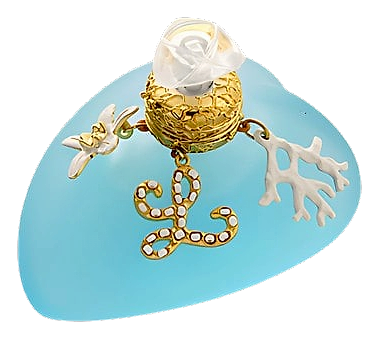
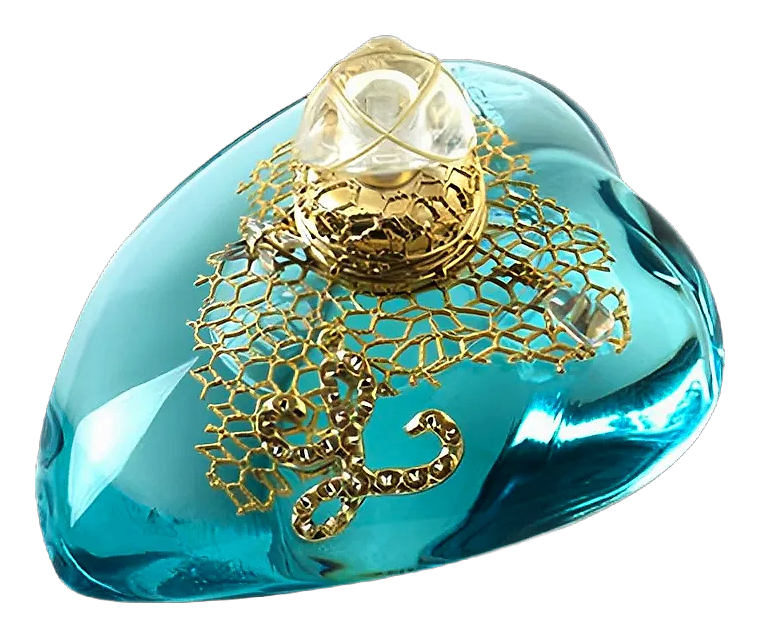
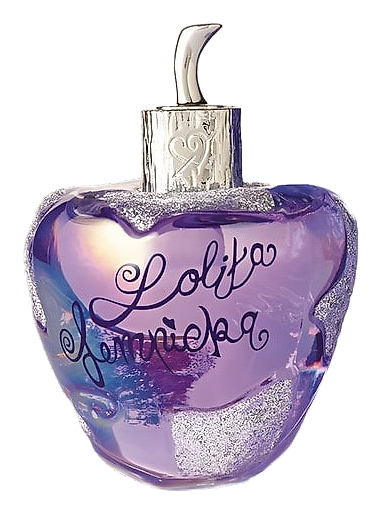
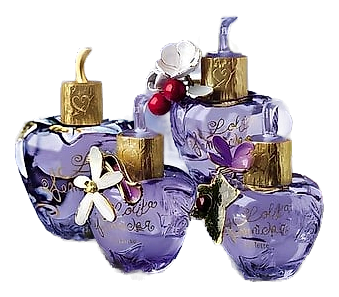
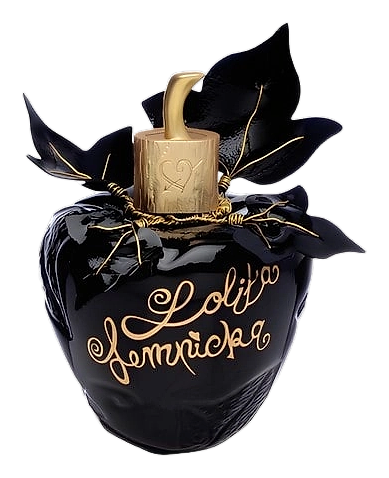
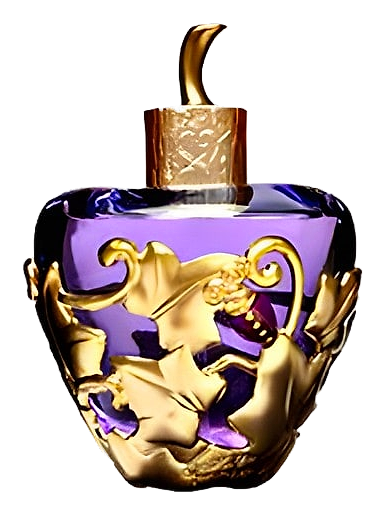
L'Objet du Désir arrived in 2003 as part of a house already known for fairy-tale bottles and compositions that didn't play by the rules. Where the debut fragrance built its identity on anise and licorice, this one took a different path, bright, clean, and surprisingly restrained. The name translates to 'the object of desire,' which tells you exactly where the house's head was at: playful, a little literary, never fully innocent. It wasn't trying to replace anything. It was adding a new register to a collection that had already made its reputation on gourmand strangeness.
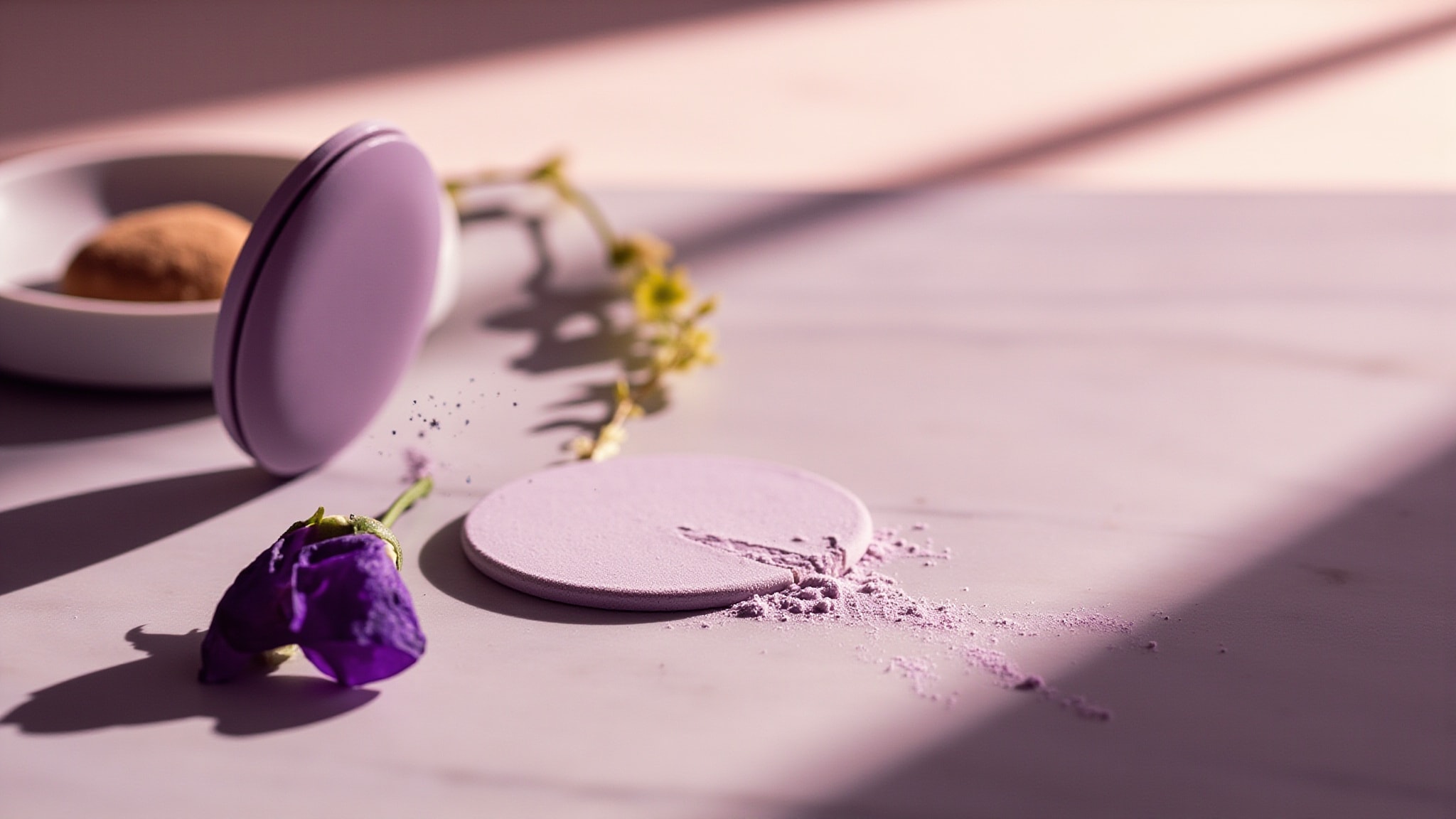
What makes this one work is the way the powdery notes don't overwhelm the citrus. Lemon verbena is sharp for about thirty minutes, then violet steps in and smooths everything out. The jasmine sambac in the heart adds body without sweetness, a white floral done the French way, not the tropical way. Musk as a base keeps it clean and close. There's a quiet sophistication in this structure that the house doesn't always get credit for.
The evolution
The opening is bright and herbal, lemon verbena that smells like the plant, not the candle. Citron cuts through and keeps it from going too sweet. Within the first hour, jasmine sambac rises and the violet softens the whole thing into powder. The musk base doesn't arrive dramatically; it settles quietly underneath and stays. On most skin types, expect 4 to 6 hours. The sillage is moderate throughout, this is a fragrance that announces itself in the room it's in, then backs off.
Cultural impact
L'Objet du Désir arrived in 2003 as the house showed a different register. While Lolita Lempicka had built its fragrance reputation on the anise-vanilla strangeness of the original, this one took the clean route, citrus, powder, clean musk. For wearers who loved the brand's aesthetic but found the signature too heavy, it offered an entry point without losing the house's whimsical French sensibility.