
The Story
Why it exists.
The beginning
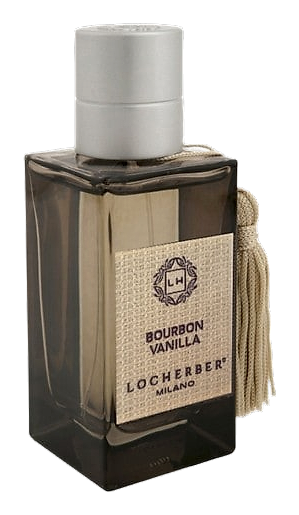
Bourbon Vanilla doesn't approach that fact abstractly. It builds from it. Locherber Milano chose Madagascar not as marketing but as olfactory territory, the particular character of the land and its offerings shaping every note. That's the source material. The result is a fragrance that earns its vanilla credentials by actually smelling like the thing vanilla comes from, not just the extract in a bottle. The scent captures the deep, resinous quality of cured vanilla pods, with subtle woody undertones and a natural sweetness that feels grounded rather than synthetic.
Two vanillas anchor this composition: Bourbon Vanilla and Madagascar Vanilla. Together they create a creamy, almost tactile sweetness that coconut extends into something tropical rather than bakery. Heliotrope introduces powder, the kind that catches light rather than dries out. Cocoa sits quiet in the heart, adding a hint of dark warmth without pushing the fragrance toward chocolate. Orchid rounds the middle without announcing itself.
The evolution
The opening announces coconut immediately, not the sunscreen kind, but the cream inside the shell, slightly sweet, almost lactonic. It holds while the heart materials arrange themselves. Then heliotrope enters, powdery and soft, creating the bridge between coconut's tropical freshness and vanilla's deeper warmth. The cocoa doesn't announce itself directly, it darkens the composition from within, so the sweetness never feels one-dimensional. As time passes, the vanilla base takes control, its richness developing and deepening as the lighter top notes recede. The two vanillas together create something substantial, their combined presence adding weight and longevity to the overall composition. The fragrance becomes warmer and more intimate as it settles into its final hours, the sweetness becoming more textured and the coconut fading into a distant memory.
Cultural impact
Vanilla as a dominant note has long held a particular appeal in perfumery, offering warmth and familiarity while remaining endlessly adaptable. A fragrance centered on vanilla invites the wearer to consider the ingredient in a new context, exploring how it can be transformed through combination with other materials. The appeal of such a scent lies in its directness, its willingness to make a clear statement while still rewarding continued attention. These qualities have made vanilla-forward fragrances a steady presence in the landscape of fine fragrance.