The Story
Why it exists.
The beginning
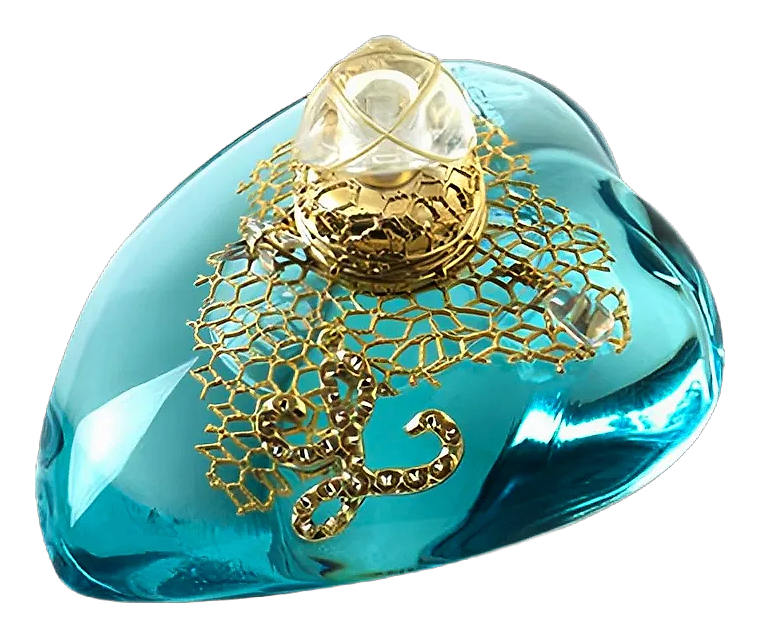
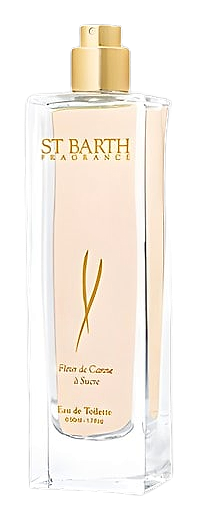
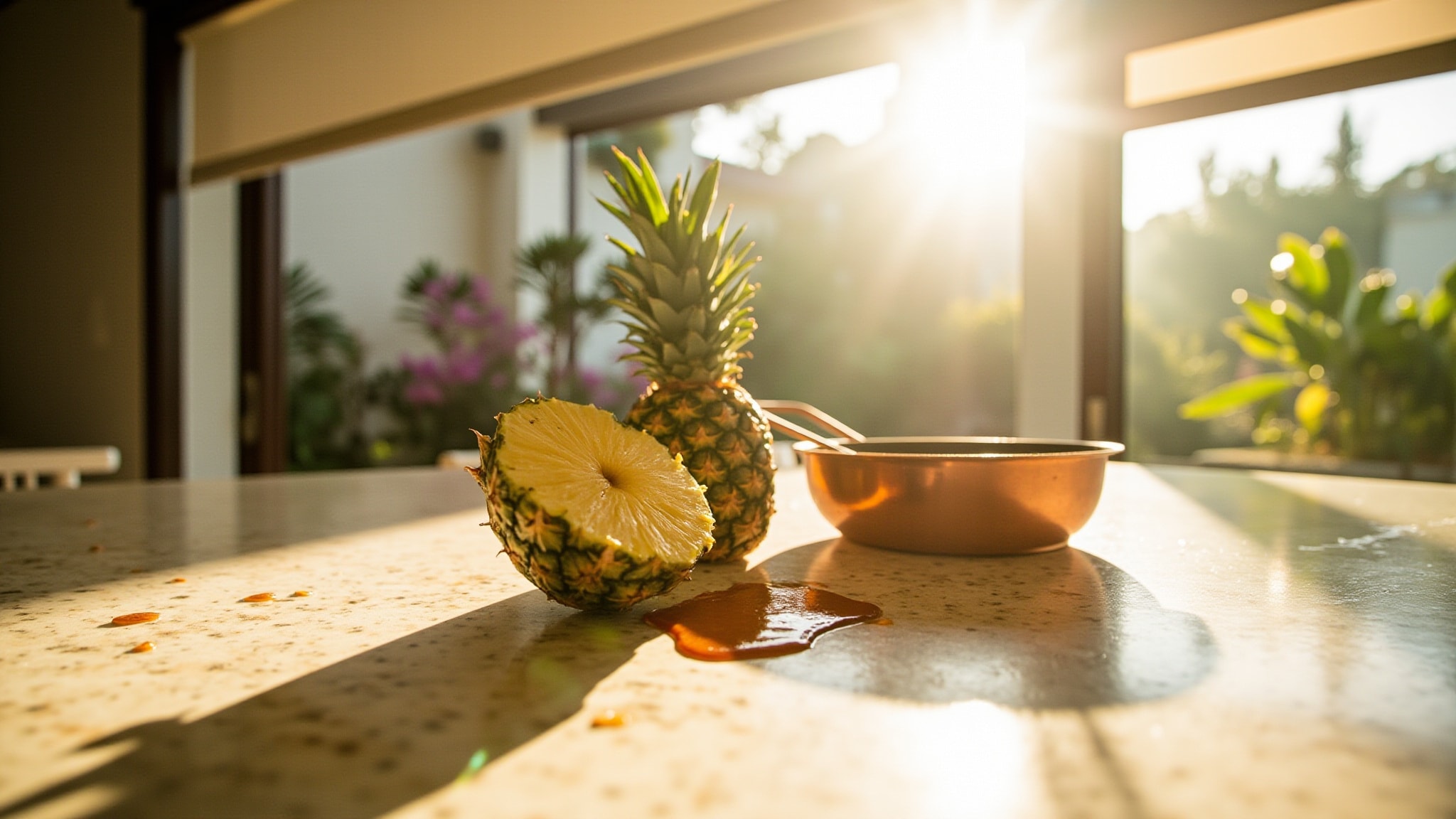
Fleur de Canne à Sucre translates to flower of sugar cane, and that's exactly where this composition lives. It's a direct homage to the sweet stalk itself, rendered through a minimalist note pyramid of sugar, pineapple, and caramel. The name does the heavy lifting conceptually, pointing straight at the ingredient that anchors everything else, and the fragrance follows that thread without detour. There's no list of supporting woods, no anchor of musk underneath, no secondary florals pulling attention elsewhere. Just the cane flower, named plainly, and the three notes that bring it into focus. It reads as one of the most stripped-back compositions in the Ligne St. Barth catalog, a study in how little a gourmand actually needs when the central idea is already this clear.
What's interesting here is the restraint disguised as indulgence. The note list looks almost childishly simple: sugar, pineapple, caramel. Three ingredients, no anchoring woods, no grounding musk to speak of. There's no hidden architecture waiting beneath the sweetness, no quiet base note arranging itself in the background. It treats pineapple as the bright spark, caramel as the warm depth, and sugar as the thread that ties everything together. The result reads more like a captured moment than a constructed perfume.
The evolution
The first ten minutes belong to pineapple, sharp and almost acidic, like biting into fruit that's been sitting in tropical heat. That edge softens fast. Caramel arrives not as a separate note but as a thickening of everything around it, turning the bright fruit into something golden and slow. By the second hour, the sugar has taken over almost completely, warm and rounded, less dessert and more like the smell of cane juice reducing in a pan. The transition happens gradually, each note ceding ground to the next in a smooth handoff rather than a dramatic swap. There's no sharp drydown, no surprising twist at the end. Just a steady, golden sweetness that fades gradually rather than shifting character. The pineapple's initial brightness gives way to the caramel's rounded warmth, and the sugar holds the whole arc together like a single continuous thread.
Cultural impact
Fleur de Canne à Sucre reads as a gourmand that doesn't perform sweetness as drama. It's a sugar-forward composition that feels private rather than confectionery, the kind of scent that belongs to the wearer rather than the room. Wearers describe it as an everyday indulgence, something they reach for when they want comfort without nostalgia. The composition is notable for how directly it addresses its central ingredient, refusing to dress sugar up in layers of competing sweetness or distracting accents.