
The Story
Why it exists.
The beginning
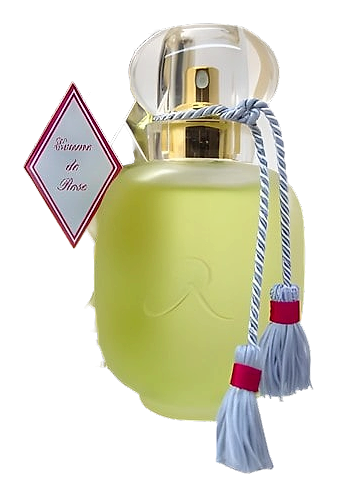
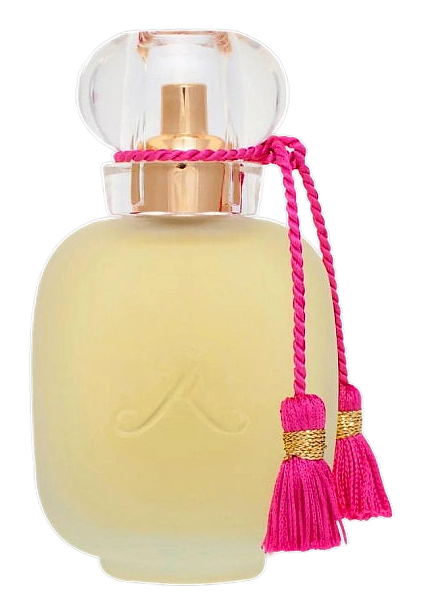
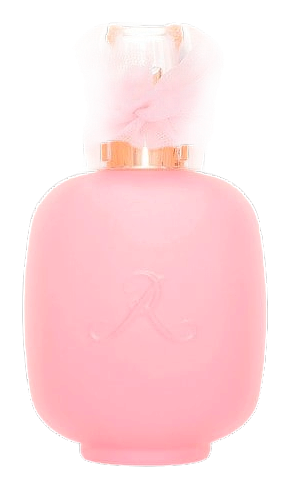
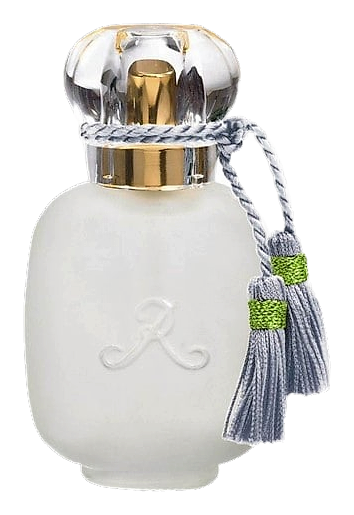
Les Parfums de Rosine gave François Robert a simple brief in 2008: create something unexpected from rose. The house built its identity on the flower's range, classical and powdery and masculine and everything in between. Robert took the commission seriously. He reached for star anise, basil, and Bulgarian rose, a combination that sounds less like perfume and more like a pantry shelf. The result is Un Zephir de Rose, a fragrance that doesn't ask permission. Rose, anise, and basil shouldn't work together. They do. The anise keeps the rose honest, the basil keeps it grounded, and by the time you reach the ambrette drydown, you've been wearing something that smells like a decision, not a default.
The anise-rose pairing is genuinely uncommon. Most rose fragrances lean into softness, sweetness, or powder. Robert went the other direction, using star anise not as a novelty but as architecture. It shapes the rose, keeps it from floating into abstraction. The basil amplifies the effect: green, slightly savory, it pulls the composition toward something you could almost call culinary. Ambrette seed in the base is the quiet move that ties it together, musky, warm, slightly animalic, it extends the rose's presence without adding sweetness. What you're left with is a rose that behaves differently than expected, structured around herbs and spice rather than the typical floral playbook.
The evolution
The opening announces itself quickly. Basil first, green, immediate, a quick cut before the rose even enters. Then the rose arrives, but the anise is already there, waiting. It doesn't dominate. It watches. For the first twenty to thirty minutes, you're in an unusual space: herby, slightly medicinal, floral but not sweet. The rose deepens as the basil fades, becoming richer and more present. The heart is where this fragrance earns attention, Bulgarian rose, unadorned, surrounded by the ghost of what came before. By hour three, the ambrette begins its work. Warm, musky, faintly animalic. The rose is still there, but it smells different now, drier, more intimate, pressed against skin rather than thrown into the air. On fabric, it can last until the following morning. On skin, expect a solid six to eight hours with sillage that stays moderate throughout. Close enough to notice, never overwhelming.
Cultural impact
Un Zephir de Rose occupies an unusual position: a rose fragrance that people notice precisely because it doesn't smell like one. The anise and basil keep it from the typical rose audience, which means it attracts wearers who came for something else and stayed for the rose. It's the kind of fragrance that generates conversation not through sillage but through unexpectedness.
The House
Les Parfums de RosineLes Parfums de Rosine is a historic French perfume house rooted in early 20th-century Parisian luxury. Paul Poiret, the celebrated fashion designer credited with liberating women from corsets, founded the house in 1911, naming it after his daughter Rosine. This made it one of the first fragrance lines attached to a fashion house identity. The brand lay dormant for decades before Marie-Hélène Rogeon, a fourth-generation perfumer whose family lineage traces to Louis Panafieu who reportedly created fragrances for Napoleon III, revived it in the 1990s. Today the house crafts rose-centric fragrances that range from powdery and classical to modern and gender-fluid. Each scent reflects a commitment to French perfumery traditions while speaking to contemporary sensibilities.
The Creator
François RobertHis signature reads in refined structural elegance. Robert gravitates toward fougère and woody compositions lifted by citrus freshness, scents that open bright and settle into warm, lasting trails.