The Story
Why it exists.
The beginning
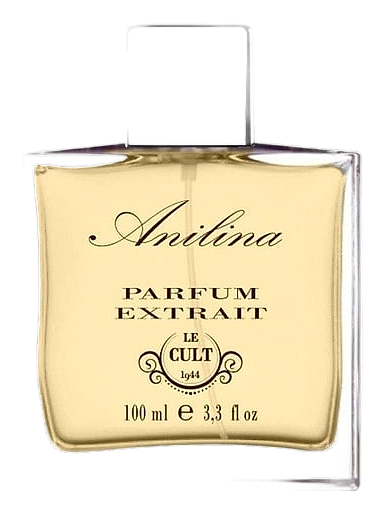
Anilina belongs to Le Cult 1944’s material-minded Italian world, where names carry references to trades, substances, and vanished crafts. The house takes its identity from 1944, a threshold of endings and new beginnings, and builds fragrances around specificity rather than fleeting trends. For Anilina, that outlook meets Damask rose, described by the house as the most sensual of roses. Bergamot opens the composition like a window onto a garden after rain. What follows is neither conventionally floral nor simply woody. It is a study in contrasts: lucid citrus, opulent petals, and a grounded base of musk, moss, and cedar.
The striking part is the tension between rose’s sensuality and the composition’s earthy restraint. Bergamot adds a bright, almost citrus-bright edge, keeping the rose from becoming syrupy or overly romantic. Damask rose supplies the heart, while musk, moss, and cedar pull it back toward skin and forest floor. That structure gives Anilina a measured character: floral enough to notice, woody enough to wear without seeming precious.
The evolution
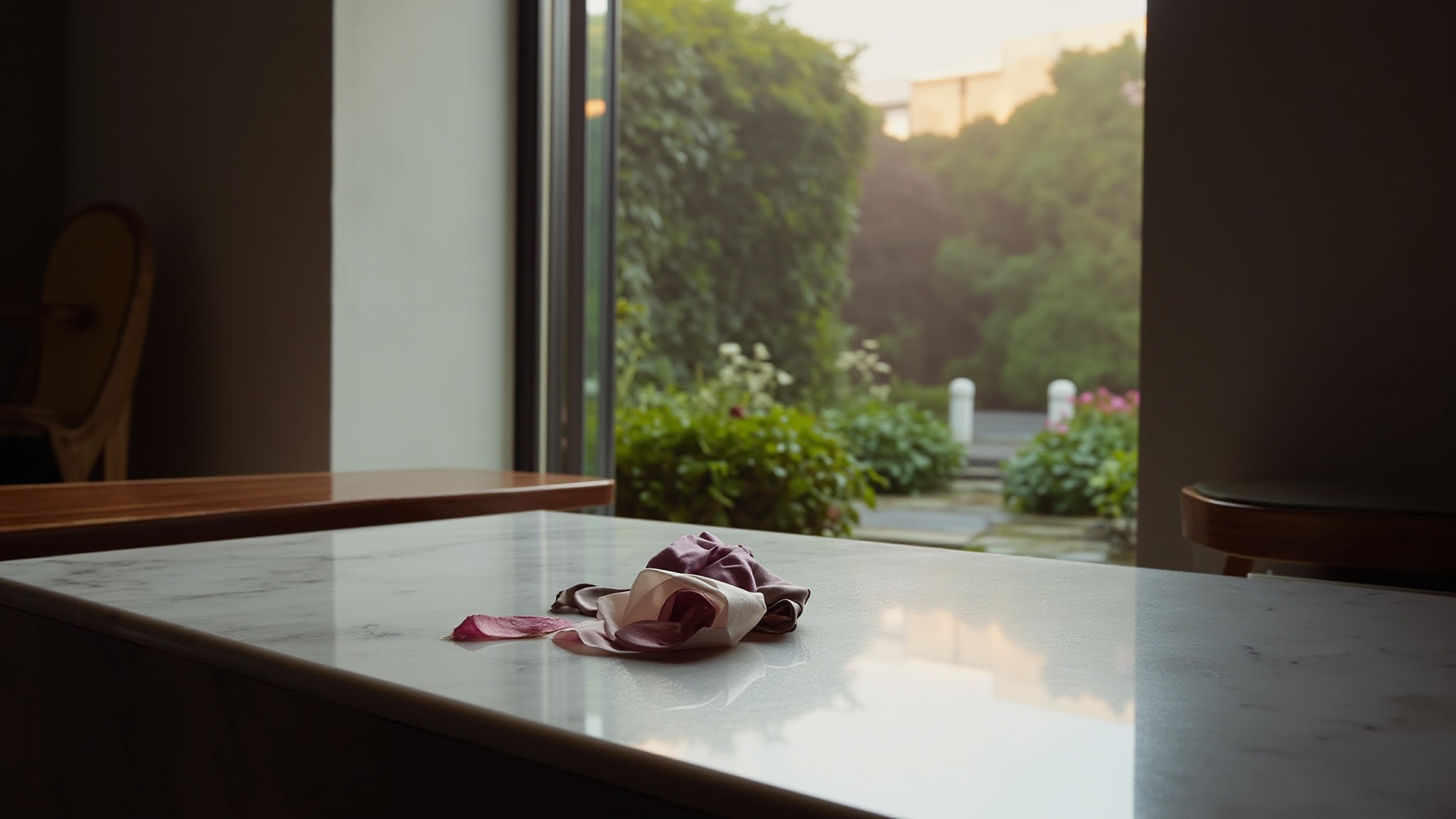
The first impression is crisp and lucid, with bergamot lending a clean, green brightness before Damask rose opens into the center. Over time, the rose loses some of its brightness and gains weight. Moss gives the drydown an earthy pull, while cedar brings a drier, woody line beneath it. Musk softens the edges without dissolving the structure, leaving the fragrance close and controlled rather than loud. The arc moves from garden light to damp earth, then settles into a quiet floral-woody trace that can remain detectable for roughly 4-6 hours, depending on skin and application.
Cultural impact
Anilina fits Le Cult 1944’s postwar Italian reinvention and its interest in vanished materials and trades. Its Damask rose sits within a lineage of cultured Italian florals, while moss, cedar, and musk give the flower an earthier register. It occupies an evocative, place-based niche rather than a trend-led one, appealing to wearers who favor romantic materials with a grounded finish.