
The Story
Why it exists.
The beginning
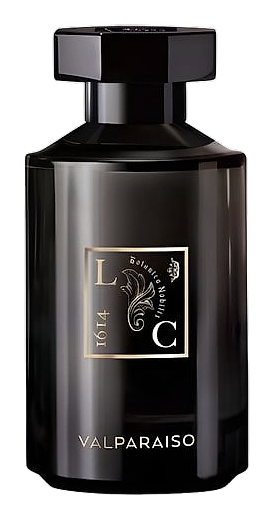
Valparaiso takes its name from Chile's Pacific port city, a place of unexpected contrasts and layered character. The city reveals itself in layers, each one slightly removed from the last, refusing to resolve into a single impression. Its hills rise steep and fast, its streets wind and switchback, and the sea air moves through constantly, never quite settling. The perfumer set out to translate that layered character into a single composition: one that opens unexpected, settles deep, and refuses to flatten into something simple. What emerged is a fragrance that moves between sharp and warm, between restraint and intensity, a portrait of a city that doesn't resolve itself into a single impression.
The cardamom and nutmeg opening is the first surprise. Spicy, bright, almost confrontational. But that's the point. The warmth arrives slowly, myrrh and frankincense settling in like smoke from a lantern left burning overnight. The cedar and vetiver at the base keep everything honest: dry, grounded, with a quiet persistence that doesn't demand attention. The contrast between the sharp opening and the meditative drydown is what makes Valparaiso worth wearing. It changes. You notice.
The evolution
The first minutes are the test. Cardamom and nutmeg arrive sharp, almost bitter, a spice-rack sharpness that catches you before you've had a chance to settle into anything. There's no softness here. No preamble. Then the resins arrive. Myrrh and frankincense rise slowly, wrapping around the patchouli like smoke curling from an ember. The transition isn't gradual. One moment you're in the spice; the next you're somewhere else entirely, warm, contemplative, almost sacred. The base does what bases do when they're built properly. Vetiver and cedar linger, dry and close, asking nothing of the room. The sillage was never loud. By the end, it belongs to you alone.
Cultural impact
Valparaiso represents Le Couvent's commitment to olfactory storytelling rooted in place. Inspired by the layered hillsides and sea air of Chile's Pacific coast, the fragrance attempts to bottle a landscape rather than simply a mood. Its cardamom-forward composition draws on aromatic ingredients that bridge culinary and perfumery contexts, creating a scent that feels both familiar and distinctly its own.