The Story
Why it exists.
The beginning
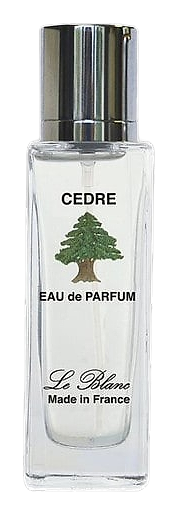
Cèdre takes its name from the obvious: cedar, that pencil-shaving warmth that grounds more masculine-leaning compositions than almost any other material. Le Blanc built its catalog around a clear sensibility, and Cèdre extends that philosophy into the woody register. Where the maison's better-known entries orbit white florals and powdery iris, Cèdre shifts the lens to a darker, drier material. It is a fragrance for someone who wants their wood to speak without ornament. The composition keeps its palette deliberately narrow: cedar, sandalwood, musk, and a category note of citrus at the top. Nothing competes with the headline. Nothing needs to. The cedar itself does the heavy lifting here, and it does so without help from any resinous crutch or sweetening accord that might muddy the line.
The interesting move here is what Le Blanc chose to leave out. Cedar-forward compositions can easily lean on sweetness or smoke to build their shape, but Cèdre resists that impulse. Instead, the maison layers cedar against sandalwood, letting two woody textures talk to each other while a pale musk keeps the whole thing close to skin. The citrus category acts almost as a palate cleanser at the start, brief and functional, a way to let the wood arrive gradually rather than announce itself. The interplay between cedar and sandalwood is the real architecture of the scent.
The evolution
The first fifteen minutes belong entirely to the citrus. It arrives sharper than expected, almost like a cologne splash, and for a moment you wonder whether the cedar promised on the label will ever show. It does. Around the twenty-minute mark the wood begins to surface, sandalwood first with its creamy density, then cedar following behind, drier and more pencil-like. The musk arrives sometime in the second hour, not as a separate event but as a texture, a softness that tightens the composition and pulls it inward. By the third hour the citrus is gone entirely, and what remains is a close-hugging blend of two woods and skin-warmth. The drydown doesn't shift much after that, which is the point. It holds its shape through a full workday, fading slowly into something that smells faintly of sandalwood and clean cotton. The next morning, on the inside of your wrist, there is still a whisper.
Cultural impact
Cèdre occupies a specific corner of the woody-fragrance landscape: the one where restraint is the point. It doesn't try to do much beyond putting cedar at the center and letting the supporting notes hold their distance. The result reads as a quiet alternative for anyone drawn to woody compositions and tired of overworked ones. Within the Le Blanc catalog it stands apart from the maison's more famous powdery and floral entries, offering a darker register without abandoning the clean sensibility that runs through the house. Wearers who want their wood unadorned will recognize what Cèdre is doing immediately.


















