
The Story
Why it exists.
The beginning
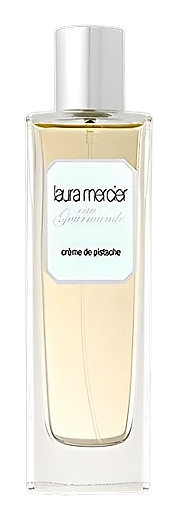
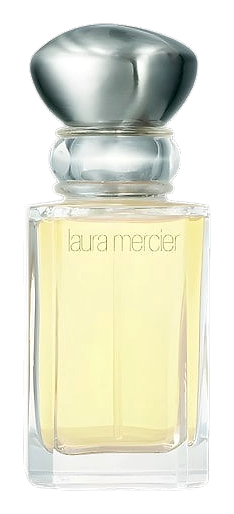
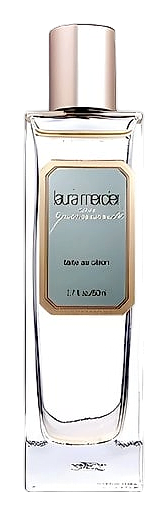
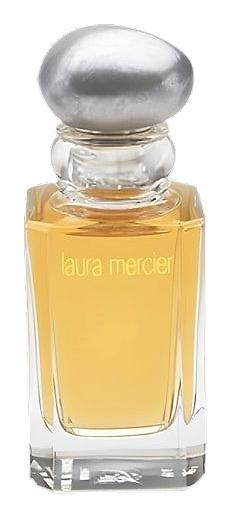
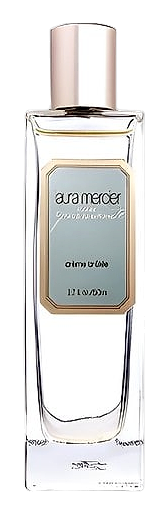
The Eau Gourmande collection translates Laura Mercier's flawless-but-effortless ethos into liquid form. Crème Brûlée, the third in the line, launched in 2006 with a single sensory target: that moment when a spoon breaks through the caramelized sugar crust to reveal the warm custard beneath. The brand's philosophy, enhance natural beauty without masking it, meant the fragrance had to feel indulgent but never heavy. A dessert you could wear without apology.
What makes this work is the restraint underneath the richness. Crème Brûlée doesn't smell like perfume trying to smell like a dessert, it smells like the memory of one, distilled and softened. The burnt sugar note gives it edge; the white musk keeps it from cloying. French vanilla provides depth without the sharp alcoholic bite that synthetic vanillas sometimes carry. The result is a sweet that feels warm rather than loud, comfort food for the skin.
The evolution
The opening hits fast and true: burnt sugar, that quick snap of caramelized crust, warm cream underneath. Within minutes the vanilla and caramel assert themselves, creating a sweet warmth that stays close to the body rather than projecting outward. The sillage is moderate by design, this is a skin scent, not a statement. Three hours in, the sugar begins to recede and the white musk arrives, adding a soft powdery counterpoint. By hour five, what remains is a skin-close vanilla, barely sweet, warm and intimate. The drydown is where it becomes personal, as if the fragrance has become part of you.
Cultural impact
Eau Gourmande Crème Brûlée arrived during the mid-2000s resurgence of edible, skin-close fragrances when Laura Mercier positioned her Eau Gourmande collection as accessible luxury. The gourmand trend, pioneered by Thierry Mugler's Angel in 1992, evolved through the 2000s with growing consumer appetite for comforting, sweet scents that felt familiar and wearable. Crème Brûlée specifically tapped into nostalgia for warm, kitchen-baked desserts, translating the popular French custard into a fragrance form. The composition's burnt sugar and vanilla profile reflected a broader cultural movement toward sensory comfort in beauty, as consumers increasingly sought scents that felt like indulgence rather than announcement.