The Story
Why it exists.
The beginning
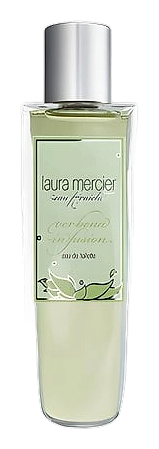
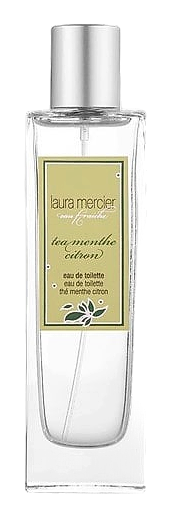
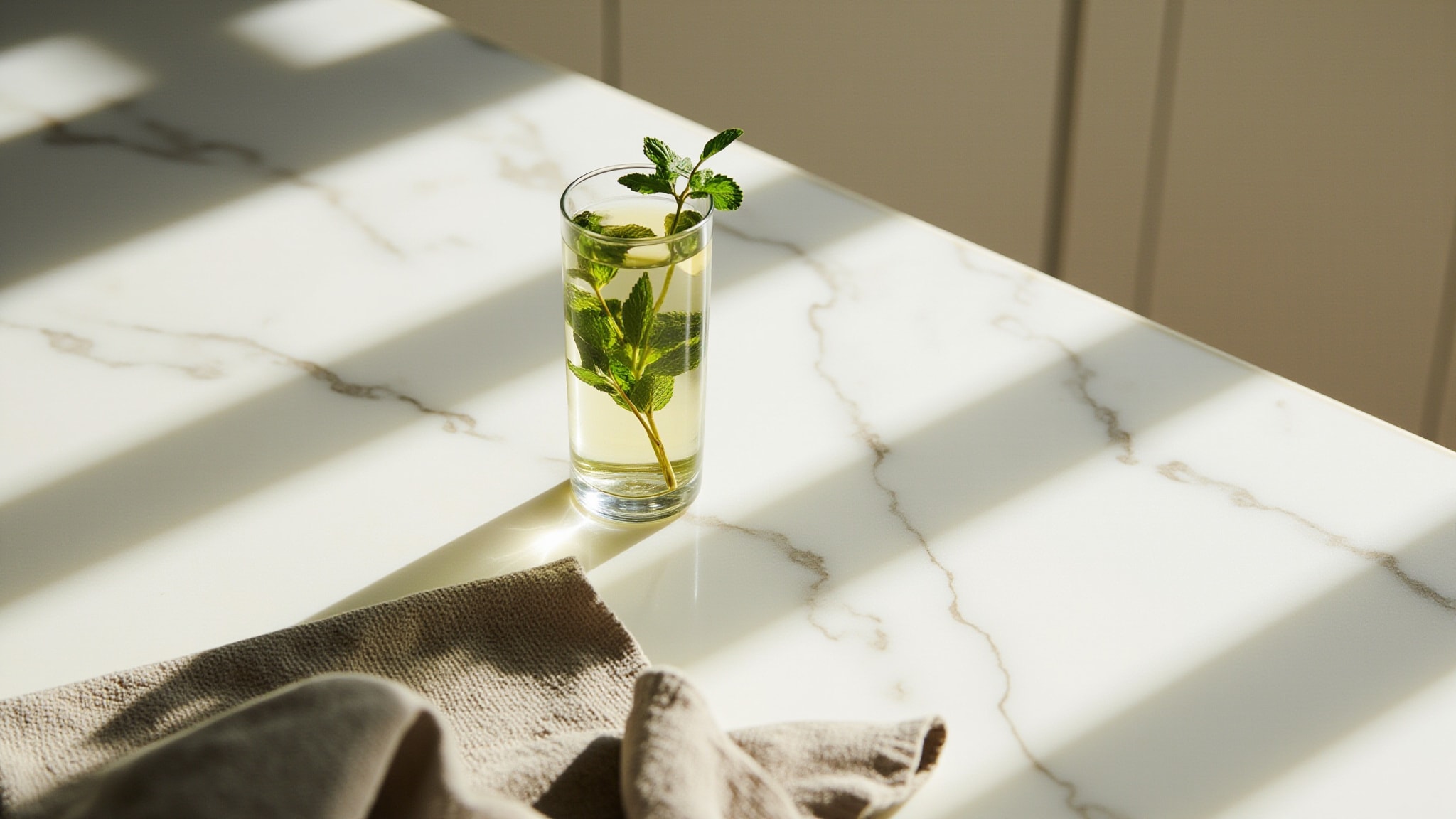
Tea Menthe Citron takes its name from the trio anchoring it, mint, tea, and citron, a citrus note close to lemon but with more zest and less sweetness. The name itself gestures toward North African and East Asian tea traditions, where mint is stirred into green tea and citrus cuts through the earthiness. Launched in 2016 as part of Laura Mercier's fragrance collection, the scent aimed to bottle that ritual: the first cup of the morning, before the day has made any demands. Mint opens. Tea grounds. Cedar lingers. It's a simple logic, but one that earns its keep.
What makes the composition work is restraint. Mint and tea could easily cancel each other out, one sharp, one astringent, but the cardamom acts as a bridge, adding warmth that ties the cool top to the woody base. Cedar does what cedar always does: it adds weight without sweetness, keeping the drydown from going flat. There's no vanillin padding, no amber cloud to smooth the edges. The fragrance stays close to its source materials, which is unusual for a mainstream release. You smell the mint leaf, the brewed tea, the actual wood. Not a recreation of them, the materials themselves.
The evolution
The opening hits fast: mint, bright and herbal, a cool shock to the system. Within minutes, tea leaf asserts itself, not green tea in the synthetic "spa" sense, but actual brewed tea, tannic and slightly dry. Cardamom arrives quietly, a soft spice that warms the transition. Cedarwood arrives last, and this is where the fragrance earns its name. The drydown isn't sweet. It's dry, woody, slightly austere. The mint doesn't disappear, it retreats, becoming a cool undertone beneath the cedar. On skin, expect 4-6 hours of presence, moderate sillage. On fabric, it fades faster, closer to 3-4 hours. The next morning, a faint cedar-tobacco trace might linger on a wrist.
Cultural impact
Tea Menthe Citron arrived at a moment when the fragrance market was still heavily invested in sweet, gourmand compositions. Its 2016 debut represented a deliberate pivot toward transparency and restraint, reflecting a broader cultural shift toward wellness-oriented aesthetics. The fresh, green category it inhabits would later explode in popularity, but in 2016 it was a quieter bet on subtlety over spectacle.