The Story
Why it exists.
The beginning
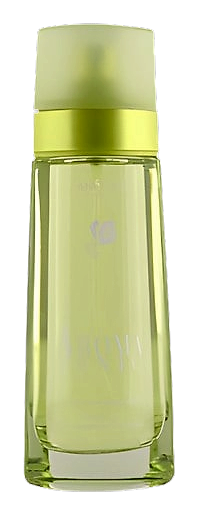
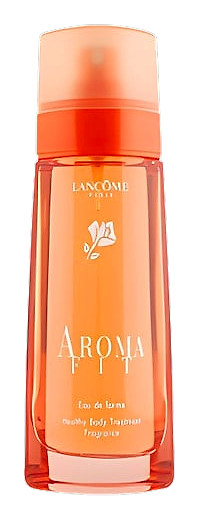
In 2001, Lancôme tasked Annick Ménardo with something different: not a perfume in the traditional sense, but a fragrance for living well. Ménardo, known for her work with tobacco and leather, was handed a brief that asked her to translate wellness into scent, no easy ask when wellness means different things to different people.
What Ménardo came back with was unexpected. She didn't reach for the obvious wellness suspects: no green tea, no cucumber, no marine notes. Instead, she turned to ingredients you'd more likely find at a farmers market than in a perfume bottle. Carrot seed, not the root, but the seed, brought an earthy, mineral quality that grounded the composition. Coffee added warmth without sweetness. The result was less spa, more sun-drenched terrace. A fragrance that smelled like taking care of yourself without trying too hard.
The evolution
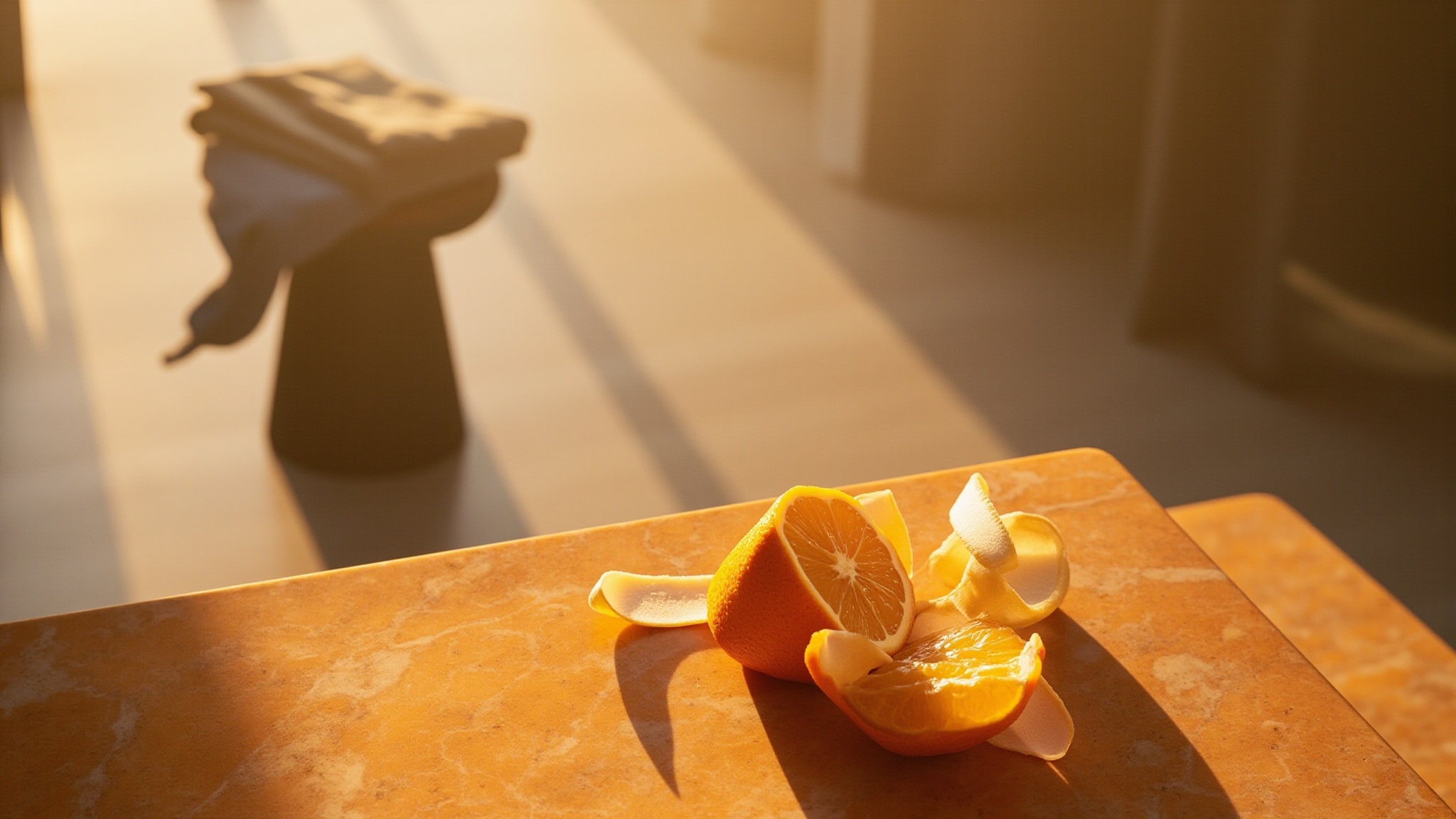
Aroma Fit opens like a glass of fresh OJ on a morning that can't decide if it wants to be warm yet. Mandarin orange, bright and tart. Orange too, rounder and sweeter. This lasts for the first hour, maybe a bit less, the citrus is present but never loud. Around the hour mark, carrot seed takes over. It's strange on paper, mineral and rooty, but here it works as a bridge between the bright opening and the coffee drydown. The coffee doesn't arrive all at once. It lingers, a whisper of warmth that stays close to the skin for another two to three hours. By the end, you're left with something powdery, soft, and almost gone. The kind of scent that someone standing very close might notice.
Cultural impact
Aroma Fit occupied an unusual position at launch: a wellness fragrance from a luxury house, designed for everyday wear rather than special occasions. It was discontinued, which has only made it more intriguing to collectors who remember it as something genuinely different. The bright citrus character felt ahead of its time for mainstream luxury offerings.