The Story
Why it exists.
The beginning
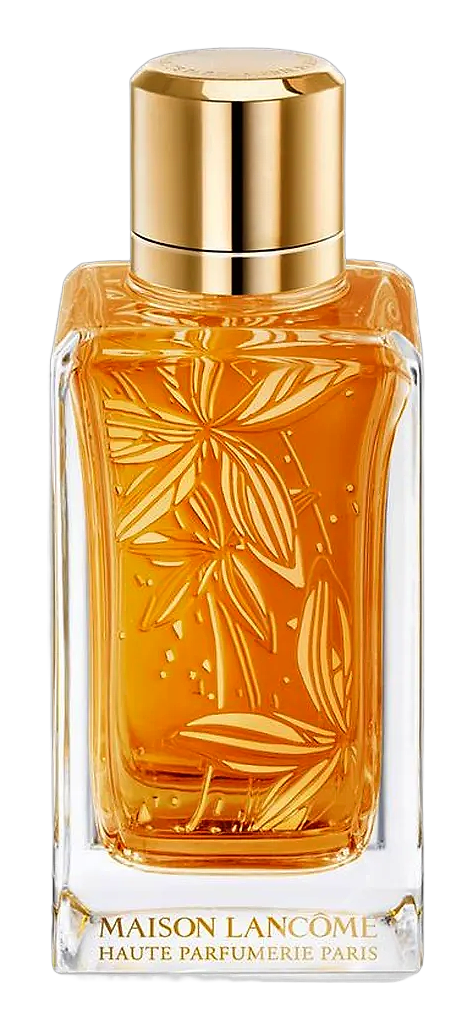
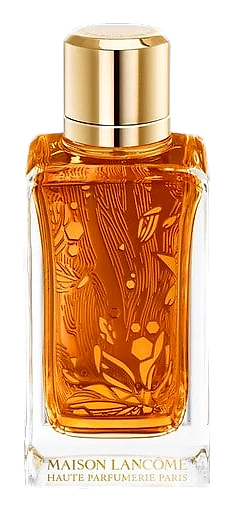
Oud Ambroisie arrived in 2016 as part of Lancôme's Les Parfums Grands Crus collection, a line that treats fragrance the way Bordeaux treats wine, with classifications and strict sourcing standards. Perfumer Ilias Ermenidis built this one around a tension: the exotic depth of agarwood against the golden sweetness of Provençal honey. The rose was the obvious bridge. The cedar, the landing.
What makes this composition interesting is how the honey functions as more than a sweetener. It modulates the oud, keeping it from tipping into the animalic intensity that makes many agarwood fragrances unwearable in close spaces. Here, the honey acts like a diffuser, it spreads the scent without sharpening it. The result is an oud that feels French, which is to say: composed, slightly sweet, and never shouting.
The evolution
The opening arrives with honey already prominent, not a slow reveal but an immediate warmth that sits close to the skin. Within minutes, the oud joins, not as a punch but as a deepening. The rose appears somewhere in the middle, soft and damask-sweet, keeping the wood from becoming austere. Then the cedar takes over for the long haul. Six, seven, eight hours, the drydown reads as clean wood with a honeyed memory. On fabric, it lingers longer. On skin, it shifts closer, more intimate.
Cultural impact
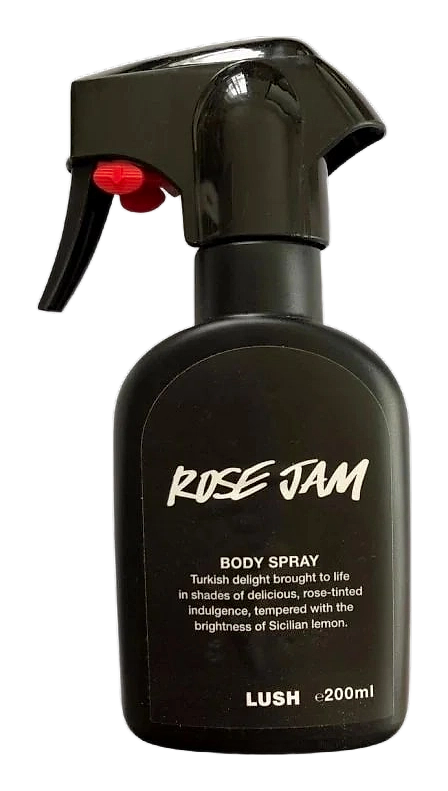
With a loyal following among oud enthusiasts, Oud Ambroisie occupies a respected position in the "solid everyday luxury" category. Wearers consistently describe it as the scent of someone who knows what they want and doesn't need to announce it. The comparison to Lush Rose Jam makes sense, both lean into honeyed rose with woody depth, but Lancôme's version has more structure, more restraint.