The Story
Why it exists.
The beginning
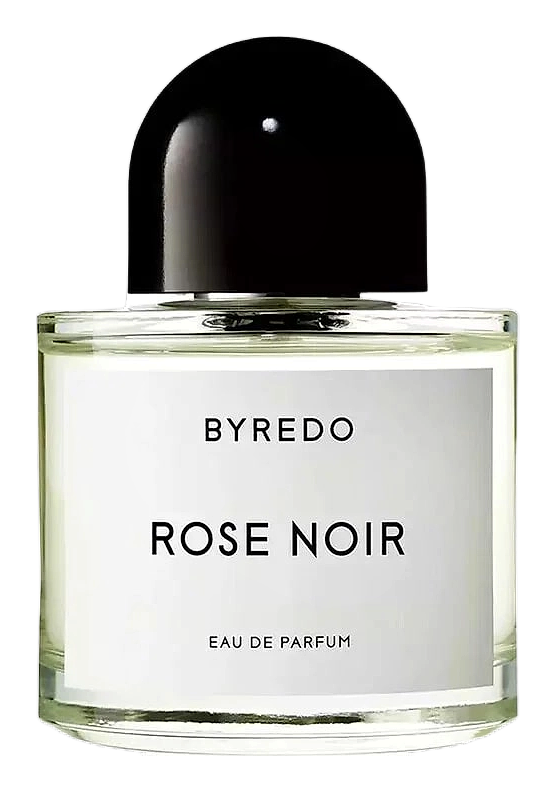
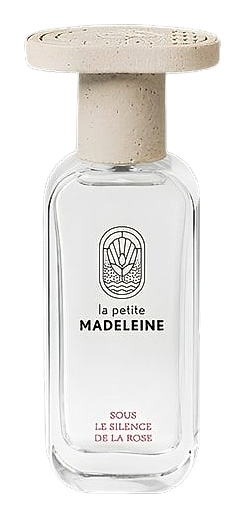
Sous le silence de la rose arrived in 2022 from Philippine Courtière, the fragrance's perfumer. The composition is built around three deliberate notes. Blackcurrant opens it, sharp and dark-fruited, less dessert than crushed summer fruit in a bowl of water. Damask rose takes the center, full and pink and slightly spicy, with the bruised quality real roses carry. Cedar anchors the whole thing, dry and pale, keeping the composition from drifting into pure floral. The fragrance is described as fresh and floral with delicate pink accents, where thorny green knows how to keep the secret. That line holds up. The green in this rose isn't decorative, it's structural.
What makes this composition worth a second look is the tension between the three notes, not their luxury pedigree. Blackcurrant is a fruit note that behaves like a cordial, tart and adult, so it refuses to make the rose feel like a gift-shop carnation. Damask rose brings its own green, leafy and slightly peppery, which means the fruit opening has somewhere natural to go. Cedar then does something quieter than most base notes. It doesn't anchor with weight, it anchors with restraint, drying the edges so the composition reads airy rather than dense.
The evolution
The fragrance opens tart and immediate. Blackcurrant hits first, that dark, wine-dark fruitiness, and it reads brighter than expected against skin. There's a green flicker underneath it too, the kind you get from crushed stems rather than a citrus splash. The fruit gives way to Damask rose, full-bodied and pink in the way that actual roses are pink rather than the way they're photographed. This is where the composition earns its name, because the rose here has a quiet persistence. It doesn't announce itself the way a dense floral can, it just keeps being there when you notice. The rose can soften as the scent develops, while cedar comes up underneath as a pale, dry wood, almost blond. The green gives way to something warmer and more muted. What remains is close, woody, faintly rosy, and still identifiable as this same scent, just quieter. The berry is long gone. The rose hasn't left.
Cultural impact
Sous le silence de la rose is built around a rose that carries green and fruit rather than relying on romance alone. The combination gives the fragrance a fresh, contemporary character, with blackcurrant adding a tart opening and Damask rose supplying a full, slightly peppered floral heart. Cedar then introduces a pale, dry woodiness that makes the composition feel clear and restrained. That balance places the scent within a modern niche fragrance context, where freshness and structure matter as much as the central floral note. The name also reinforces the mood of the composition, whose rose feels more secretive than decorative.
The House
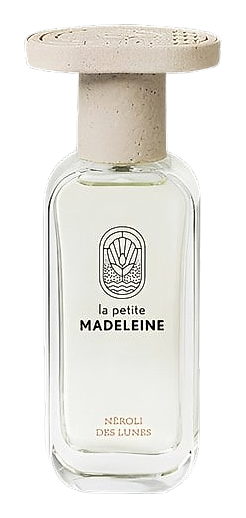
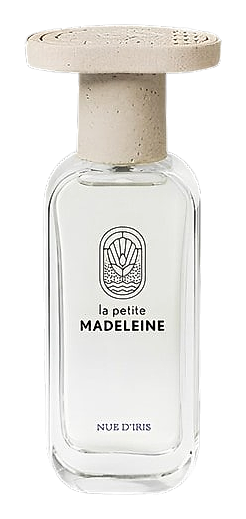
La Petite MadeleineLa Petite Madeleine is a French niche fragrance house rooted in the Champagne region. Founded by Guillaume Dufay, the brand takes its name from Marcel Proust's famous literary episode, a deliberate homage to the evocative power of scent. The company emerged from the Technopole de l'Aube en Champagne incubator, positioning itself within France's distinguished perfumery tradition. After launching with a collection of artisanal soaps, the house expanded into fine fragrances, collaborating with renowned perfumers including Nicolas Bonneville. The brand's fragrance portfolio spans multiple olfactive families, from the iris-forward Nue d'iris to the fig-focused Le Figuier du Mas Saba, demonstrating a range that honors classical perfumery while pursuing distinctive creative directions. Operating from one of France's most storied regions, La Petite Madeleine brings a regional identity to its craft, grounding its luxury positioning in the artisanal heritage of Champagne.
The Creator
Philippine CourtièreCourtière favors a crystalline top that sparks curiosity, followed by a heart built on fruit-laden florals and a base of warm woods or amber. She often layers Turkish rose with subtle hints of lychee, then anchors the blend with sandalwood or cedar from sustainable sources.