The Story
Why it exists.
The beginning
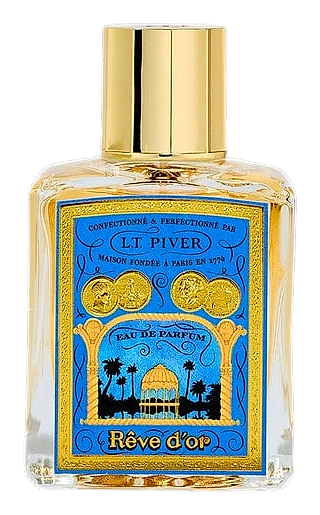
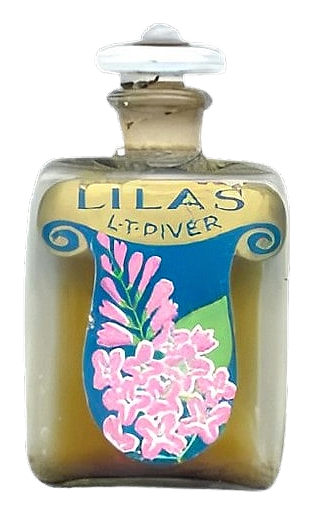
Lilas carries a name borrowed straight from the French word for lilac, but the scent itself doesn't reach for flowers the way that name might suggest. Instead it pulls toward something rounder, warmer, and less obvious. L.T. Piver, the historic house behind it, has been composing compositions rooted in this kind of instinct for well over a century: building fragrances that feel discovered rather than prescribed, pieces that arrive with a point of view rather than a crowd-pleasing blueprint. Lilas fits that brief perfectly. It borrows a floral word and delivers something deeper, a green-floral composition that reads more like a quiet atmosphere than a bouquet.
What makes a green-floral composition interesting is the tension between those two registers. Green accords tend to read as outdoor, slightly sharp, and immediate. Floral accords tend to read as softer, more rounded, and more developed on skin. When you put them together, you get a composition that opens with movement and settles into stillness. The green here doesn't behave like the bright, peppery galbanum of vintage chypres, nor does it skew toward the crushed-leaf sharpness of certain masculine colognes.
The evolution
The opening minutes are where the green accord does most of its talking. There's a crispness at first, the cool, slightly bitter quality of crushed leaves or a stem snapped between fingers. It's not sharp in the way a citrus top note can be sharp, and it doesn't fizz or sparkle. It just arrives, cool and immediate, like stepping into a shaded garden at midday. The green sits at the surface, unadorned, and for the first fifteen minutes or so, it carries the composition almost entirely on its own. Around the half-hour mark, the floral register begins to lift from underneath. The green doesn't disappear, but it softens, and the floral facets come forward: a rounded, slightly creamy warmth that feels like the petals rather than the pollen. The composition shifts from something leafy and immediate into something more blended and atmospheric.
Cultural impact
Lilas belongs to a category of fragrances that never trend but never disappear either: the quiet, personal scent that a small, devoted audience buys, wears for years, and replaces when the bottle runs out. Its quiet reception has only deepened its cult status among collectors who discovered it through vintage channels and stocked up accordingly. It doesn't sit next to the big floralorientals in the fragrance conversation, and that's the point. It was never trying to. It reads as a mood, a season, a particular sort of quiet evening, rather than a statement.