
The Story
Why it exists.
The beginning
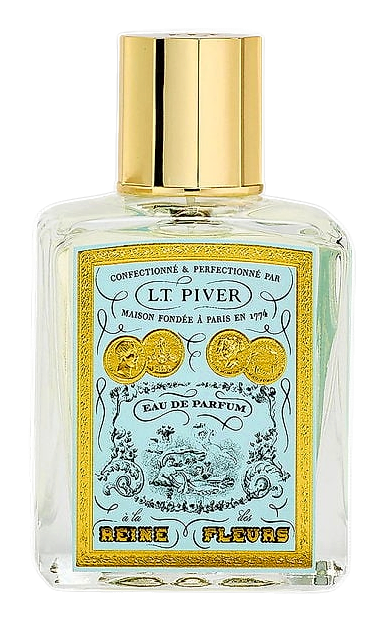
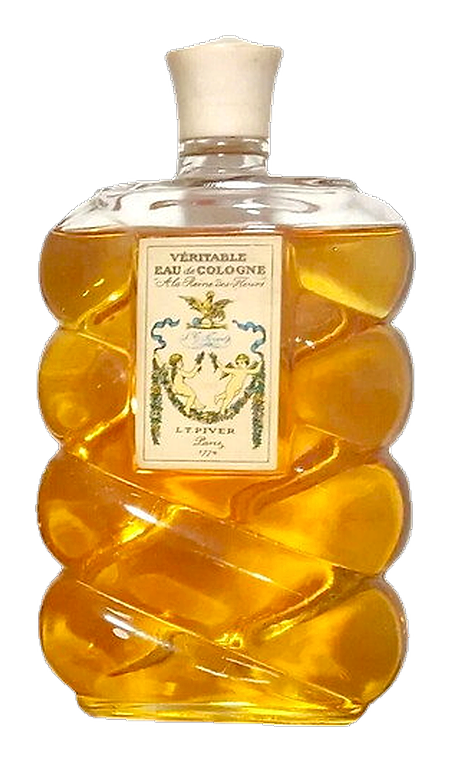
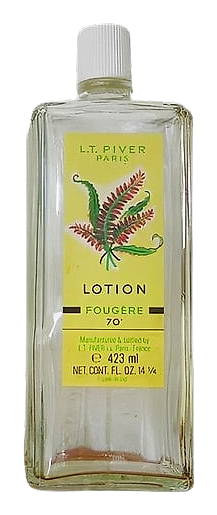
Fougère arrived from L.T. Piver in 1905. The name, French for fern, would go on to label an entire fragrance family, the first olfactory category built specifically around a masculine ideal. Piver itself traced back to 1774, making it one of the older perfume houses in France by the turn of that century. The launch came at a time when the Parisian perfume industry was already well established, with cologne waters and grooming traditions dominating how men smelled day to day. What Fougère introduced was a structure rather than a novelty, a way of composing scent around herbal brightness, an earthy anchor, and a sweet, hay-like middle.
What makes a fougère a fougère is the triangle of lavender, oakmoss, and coumarin. Lavender brings the clean, herbal brightness on top, that cool, almost bracing lift that registers immediately on skin. Oakmoss anchors the base with a damp, forest-floor weight, a dense, earthy dampness that grounds the composition and gives it its quiet masculinity. Coumarin fills the middle with a sweetness that smells like warm hay, a soft bridge between the crisp top and the earthy bottom. The accord is simple in outline and almost architectural in how each note holds its place.
The evolution
The opening is bright and clean, lavender hitting first with a sharp herbal snap that feels cool against the skin. As the minutes pass, the coumarin steps in, softening the lavender into something warmer and rounder, almost like tonka sugar dissolving into a cup of black tea. The heart holds that softened lavender-coumarin warmth for an extended stretch, the part of the wear where the fragrance sits closest, almost like a second skin you forget you applied. The transition into the base is gradual, with the oakmoss slowly claiming the drydown, a damp, mossy undertone that settles close to the chest and lingers through a long evening. What stays on skin in the later hours is a ghost of oakmoss and warm hay, the kind of trace scent you catch pressing your face to fabric the next day.
Cultural impact
Fougère by L.T. Piver occupies a unique place in fragrance history, the name that gave the category its label. The fougère family, built on lavender, oakmoss, and coumarin, has since birthed hundreds of masculine launches across every decade since its arrival. Wearing this original is a conversation with the source code of men's perfumery, the version that everyone else has been riffing on for over a century. Each successive release in the family borrows something from this triangle, whether consciously or not, and the structure has become so embedded in masculine perfumery that it often goes uncredited.