The Story
Why it exists.
The beginning
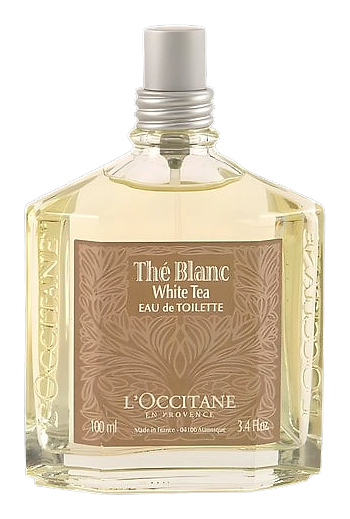
The Blanc arrived in 2007, joining L'Occitane's collection of botanical fragrances built around a single, unhurried idea. White tea, less processed, more delicate than its green or black cousins, became the quiet anchor. L'Occitane had spent decades translating Provençal hillsides into scent. This was the morning version of that world: the first light, before the market stalls, before the heat settles into lavender fields. The perfumer reached for something that smelled like a pause rather than an entrance.
What makes The Blanc structurally unusual is the civet and oakmoss appearing in a composition built around lightness. These materials typically anchor heavier, darker fragrances, the animalic depth of civet and the damp, forest-floor quality of oakmoss rarely share space with white tea and citrus. Here they do, adding a quiet earthiness that prevents the composition from reading as merelyfresh. The carnation bridges this tension, its peppery-sweet floral warmth holding the citrus opening to the woody base. The result is a fragrance that smells complete rather than thin, a tea worth steeping twice.
The evolution
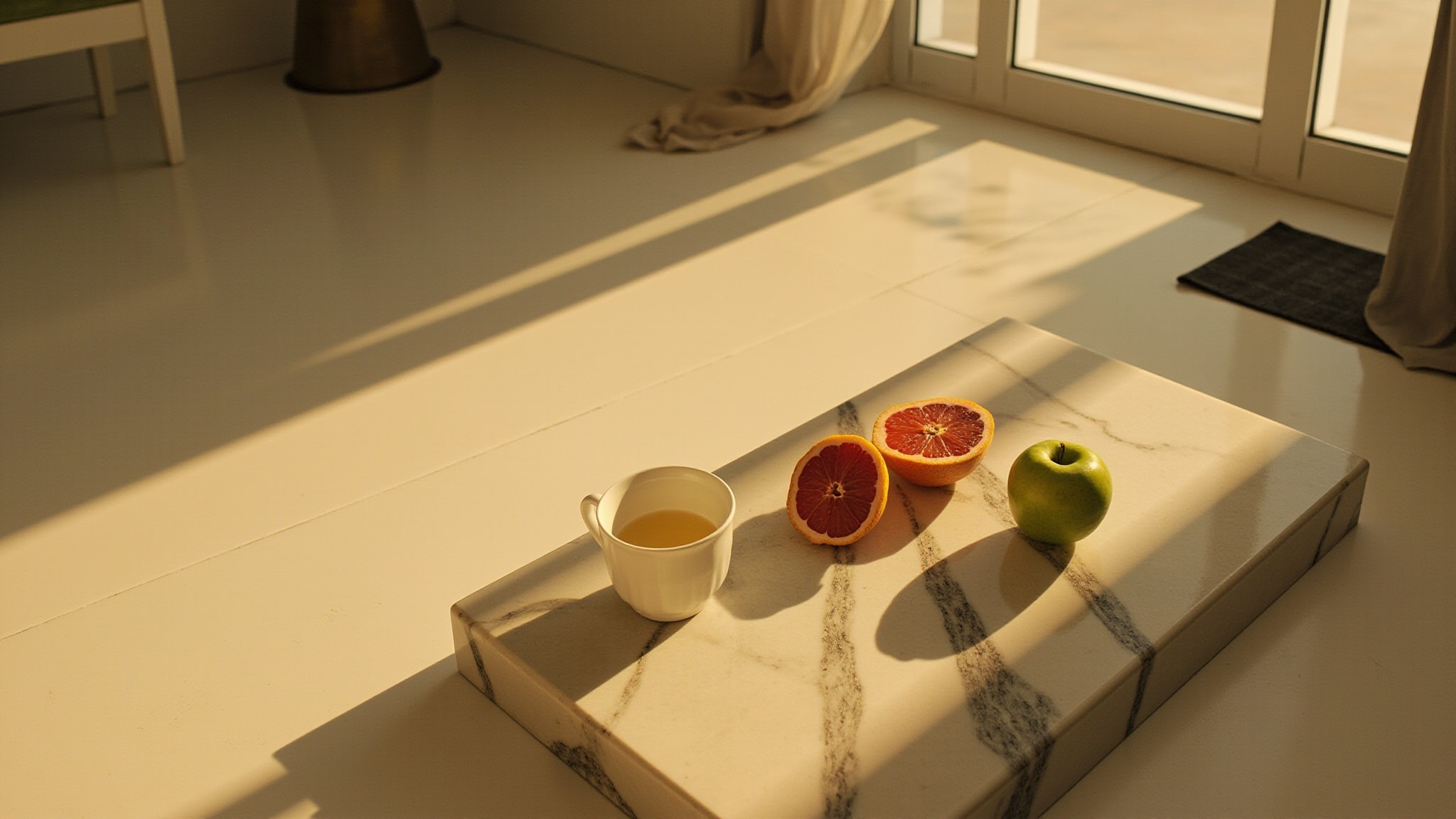
The opening hits bright and tart, grapefruit and orange peel arrive first, pulling the nose upward into something clean and immediate. Apple shows up briefly, adding a soft fruit sweetness that tempers the citrus without competing. Then the bitterness recedes and what remains is the tea, a tender, slightly sweet brew that sits close to the skin for the next hour or so. The carnation drifts in quietly, its floral warmth neither powdery nor heavy, just present. Cedar takes over in the final act, dry and woody, followed by the oakmoss doing its slow work, that damp earth, that forest-floor stillness. On fabric, the tea lingers into the next morning. On skin, the cedar stays closest, warming quietly against the pulse point long after the citrus has gone.
Cultural impact
The Blanc occupies an interesting corner of the L'Occitane lineup, not a statement fragrance, not a crowd-pleaser in the traditional sense, but something quieter. It became the fragrance people reached for when they didn't want to wear a fragrance at all, when they wanted to smell like themselves on a good day. Wearers describe it as the scent of someone who walks into a room and doesn't need to announce themselves. Released in 2007, it predates the white tea trend that would sweep wellness circles later in the decade, positioning it as an early interpretation of that cleaner, more restrained aesthetic. It's been discontinued, which has only deepened its cult following among those who found it.