
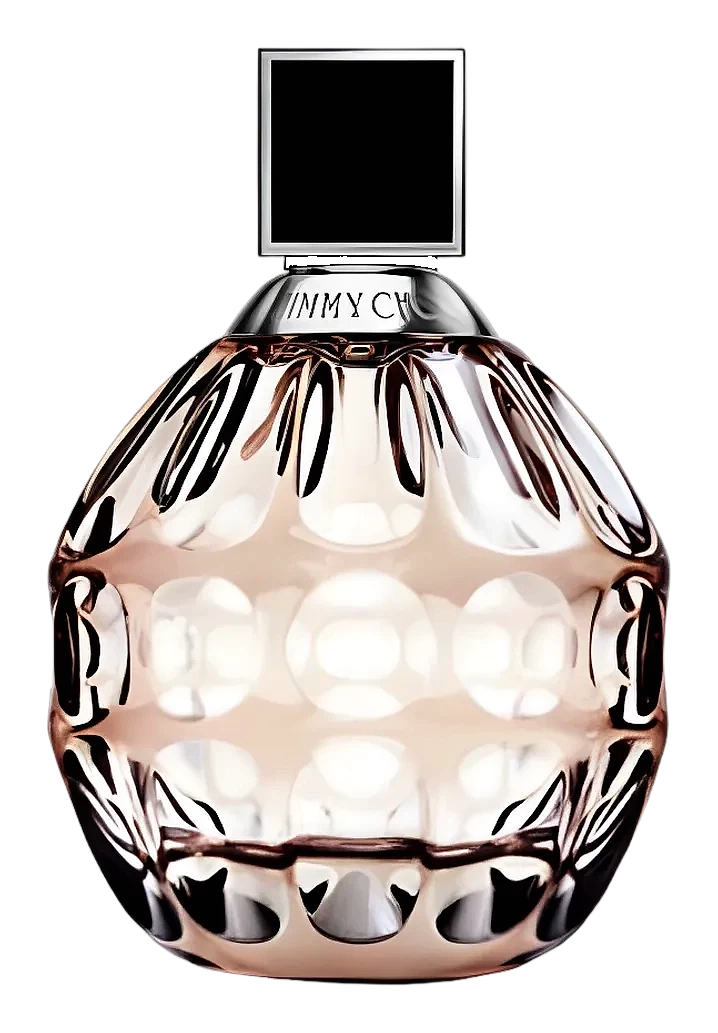
The Story
Why it exists.
The beginning
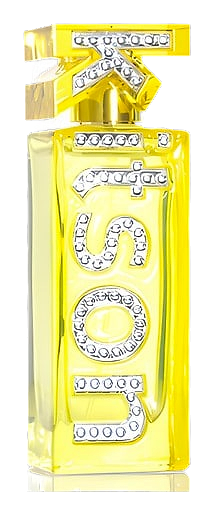
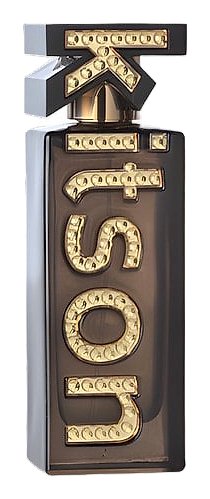
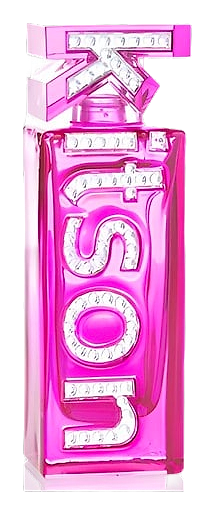
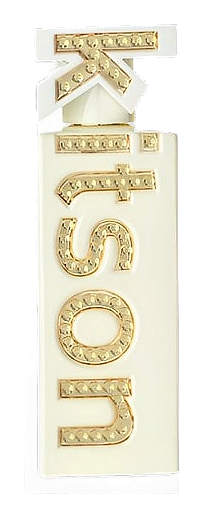
Vanilla Angel arrived in 2011 as a women’s fragrance built around a simple, expressive idea: make vanilla feel radiant, floral, and generous. Its opening pairs Star Anise with Vanilla, giving the sweetness a slightly sharp aromatic edge. That contrast matters. Without the anise-like flicker, the composition could read as pure dessert; with it, vanilla becomes rounder, more dimensional, and a little more interesting. The official description presents it as a blend designed to evolve with your skin chemistry, a fitting brief for a fragrance centered on the way vanilla settles into musk and sugar over time.
The composition is less a single indulgence than a small sweet wardrobe. Vanilla appears in the opening, heart, and base, giving it continuity from first spray to skin-close finish. Jasmine and Mimosa bring a white floral lift, while Musk and Sugar make the final impression feel cushioned and powdery. Star Anise is the useful outlier. Its soft spice keeps the vanilla from becoming one-note sweet, adding a clean, aromatic edge that makes the floral center more legible.
The evolution
At first, Vanilla Angel presents a bright, creamy contrast: Star Anise gives the opening a lightly spiced lift while Vanilla lays down a smooth sweetness. As the scent settles, Jasmine and Mimosa take over with a soft floral lift, turning the sweetness into something more delicate and skin-adjacent. In the drydown, Sugar, Musk, and Vanilla gather into a warm, powdery trail. The surprising part is how much the floral notes can fluctuate on skin, sometimes reading airy, sometimes milky and close. Over roughly 4-6 hours, the final impression is a lingering sugared vanilla, intimate rather than loud, with musk holding the sweetness together.
Cultural impact
Vanilla Angel sits within a playful, gourmand-leaning catalogue that includes Happy Twinkle, Very Berry, and Black Panther. Its expressive name and sweet floral profile place it in a familiar dessert-inspired fragrance register, while the star anise gives that sweetness a more distinctive aromatic edge. The supplied research does not document broad reception, cultural influence, or a verified market position.