The Story
Why it exists.
The beginning
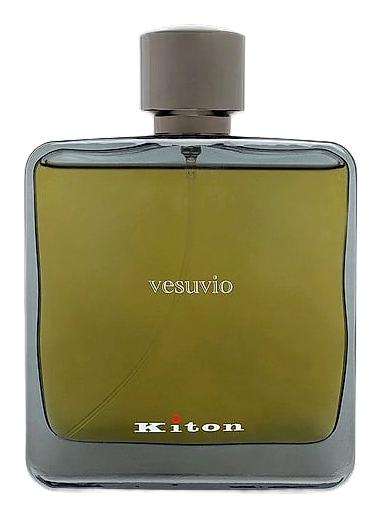
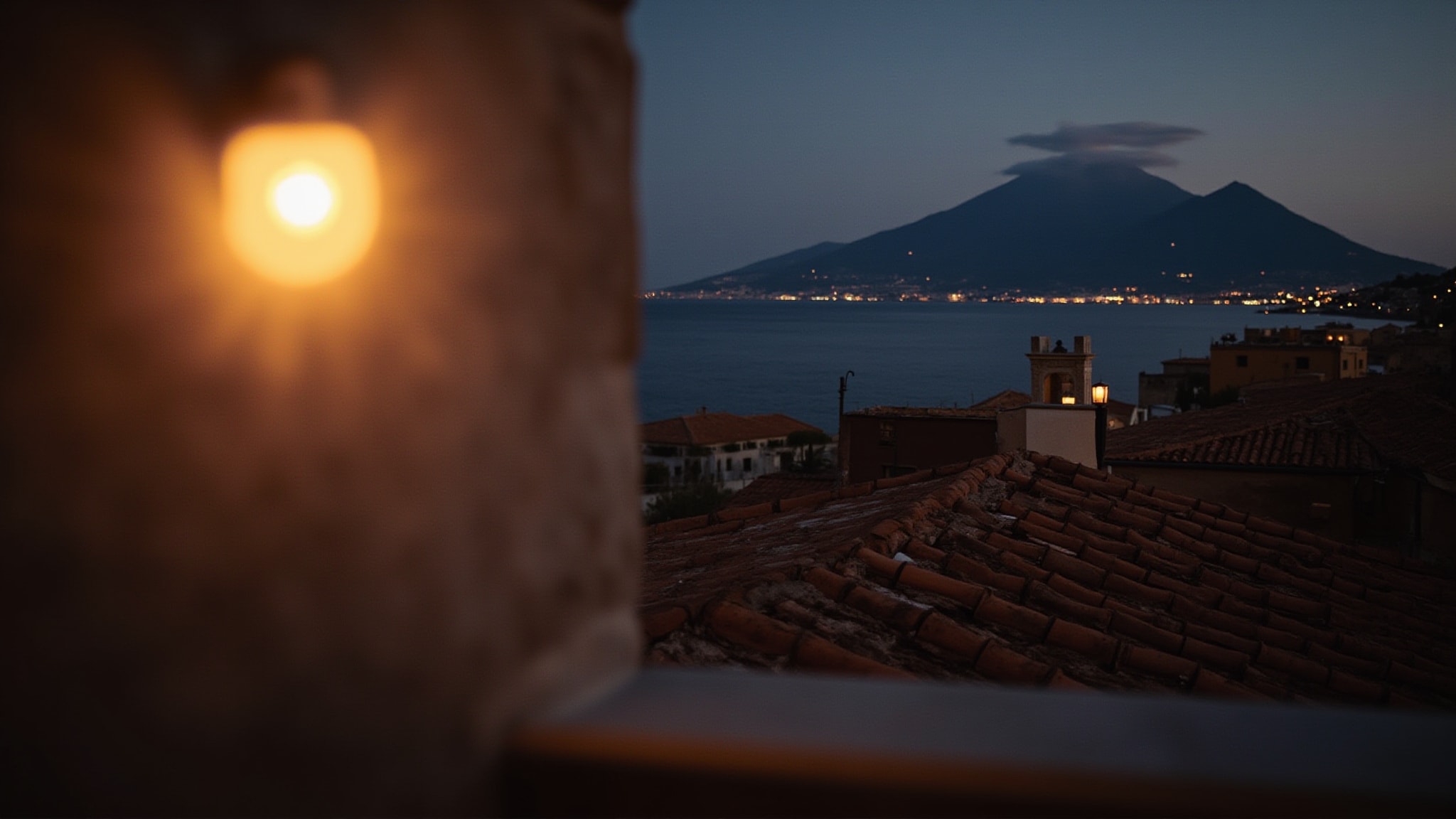
Vesuvio is a portrait of the volcano that watches over Naples. The mountain that shaped the coastline and kept a city alert for two thousand years. Kiton named the 2022 release after it, the way a tailor names a jacket after the cut that started everything. The house has spent fifty years building clothes for Neapolitan men, and fragrance enters the same logic. Mediterranean, unhurried, certain of itself. There is a weight to the composition that mirrors the landscape it takes its name from, something geological and considered, a piece that seems to have been waiting beneath the surface before it was finally lifted into the air. The opening moves through black pepper, almost a snap at first, then settles into frankincense that reads dry and resinous, more contemplative than smoky.
What makes the composition interesting is the restraint around the spice. Cinnamon and clove are easy to overdo, easy to let slide into candle shop or Christmas market. Here they sit on a resinous base of frankincense and ambergris, with cedar holding the line underneath. The smoke reads more like church than bonfire. This is a Mediterranean logic of perfumery, the way these materials seem to belong to a particular coastline and a particular kind of light. The composition treats each note as a sentence in a longer conversation rather than a single exclamation.
The evolution
The first ten minutes are the noisiest. Black pepper lands bright and immediate, almost a snap. Frankincense follows, dry and resinous, more contemplative than smoky. For a while the opening reads almost meditative, the kind of incense you find in a quiet church on a side street. Then the spices arrive. Cinnamon and clove come in low, not sweet, more like heat radiating from stone. The cedar appears beneath them, giving the whole composition weight and grain. By the second hour, the ambergris has settled in, softening everything without blurring it. The pepper quiets. The frankincense deepens into something warmer, almost leathery. The drydown is the slow part. Cedar and ambergris take over the conversation, with a thread of spice that refuses to fully leave.
Cultural impact
Vesuvio wears like the scent of someone who has already decided where they are going. It is not a fragrance that asks for attention; it assumes the room is already paying it. The composition fits that posture, restrained where others would be loud, resinous where others would be sweet. It sits in a particular register, closer to the architecture of old Mediterranean spaces than to the bright declarations of mainstream masculine fragrance. The smoke and incense carry a gravity that suits cooler months and evening wear, though the cedar and ambergris keep it grounded enough for year-round use in the right context.