The Story
Why it exists.
The beginning
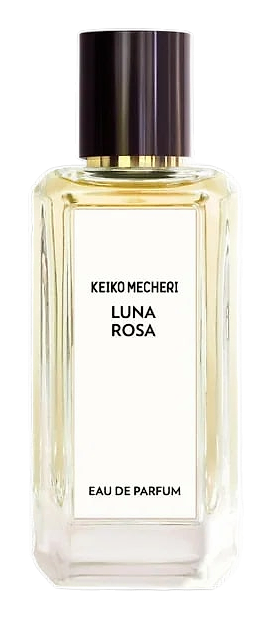
Luna Rosa is a rose composition, but one that pulls away from the genre's usual flourishes. It is present but indirect, lit from the side rather than from above. The official notes list reads like a short poem. Rose, jasmine, osmanthus, white peach, agarwood, cashmere wood, and musk. No pyrotechnics. No gourmand traps. Just a curve of materials arranged to stay in proportion as the hours pass. The seven-note pyramid is denser than the minimalist trend that dominates current rose releases, yet every ingredient has been measured to whisper rather than project. White peach lifts the opening with a transient sweetness, gone before it can sweeten the whole into a syrup. Rose and jasmine trade places in the heart, each one softening the other's sharper facets.
What makes Luna Rosa worth slowing down for is how it balances a fairly maximalist heart against a restrained overall shape. Seven notes share space in the composition, and none of them shouts. The agarwood is there but not doing oud's usual heavy lifting. The osmanthus adds a soft apricot skin to the floral bouquet instead of the leathery facets it sometimes brings. White peach appears in the opening as a fleeting sweetness that disappears faster than you expect, which keeps the floral core from tipping into syrup.
The evolution
The opening belongs to white peach. It arrives sweet and almost candied, brief and bright, like catching the scent of cut fruit in another room. Rose and jasmine follow quickly, weaving together before you fully register the handoff. The heart stage is where osmanthus does its quiet work, lending a powdery apricot edge that makes the floral bouquet feel warmer and more lived-in than a typical soliflore. The composition sits at this altitude for a long while, creamy and close, almost meditative in its steadiness. Then something shifts. The cashmere wood and musk rise up underneath while the agarwood surfaces just enough to add a faint resinous shadow. The rose doesn't vanish, but it loosens its grip. In the later stages, what you smell is mostly that brushed-wood softness with a ghost of jasmine still hanging in it.
Cultural impact
Luna Rosa offers a study in how a rose composition can feel quieter without becoming thin. It appeals to wearers who already own a soliflore and want something softer for daily rotation, a fragrance that reads as floral but carries itself with restraint. Within its own structure, it pairs osmanthus in a more central role than is typical, using the note's powdery apricot edge to warm the rose rather than to compete with it. The agarwood is present but never heavy, lending shadow instead of weight. Cashmere wood and musk anchor the drydown with a brushed softness that brings the whole composition back toward skin.










