The Story
Why it exists.
The beginning
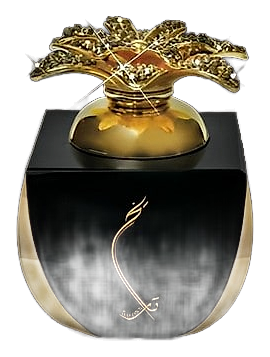
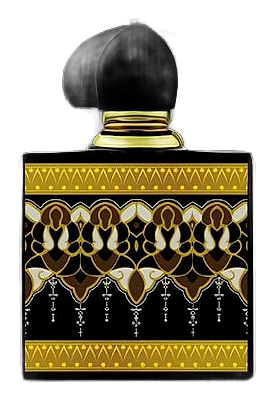
The name Hadarah comes from the Arabic word for softness, a quiet word for a quiet fragrance. Junaid Perfumes built a century of reputation on oud and patchouli, on boldness and layering. Then came this. A three-note exercise in restraint, released as if to ask: what happens when an Arabian house known for richness decides to strip everything away? The answer sits in vanilla, white musk, and rose, materials that have been trusted for generations because they don't need help. This is Junaid at its most considered. Not the flagship statement. The quiet one.
The three-note structure is the point. Modern perfumery often builds pyramids with 15, 20, sometimes 30 materials, each one a decision, a compromise, a cover. Hadarah operates differently. Vanilla, white musk, rose. That's the whole architecture. What makes it work is the execution within each layer: the vanilla carries actual depth rather than sweetness alone, the white musk reads clean and powdery without disappearing, and the rose arrives not as florality but as warmth. It's a composition that trusts its materials to do the work instead of surrounding them with support.
The evolution
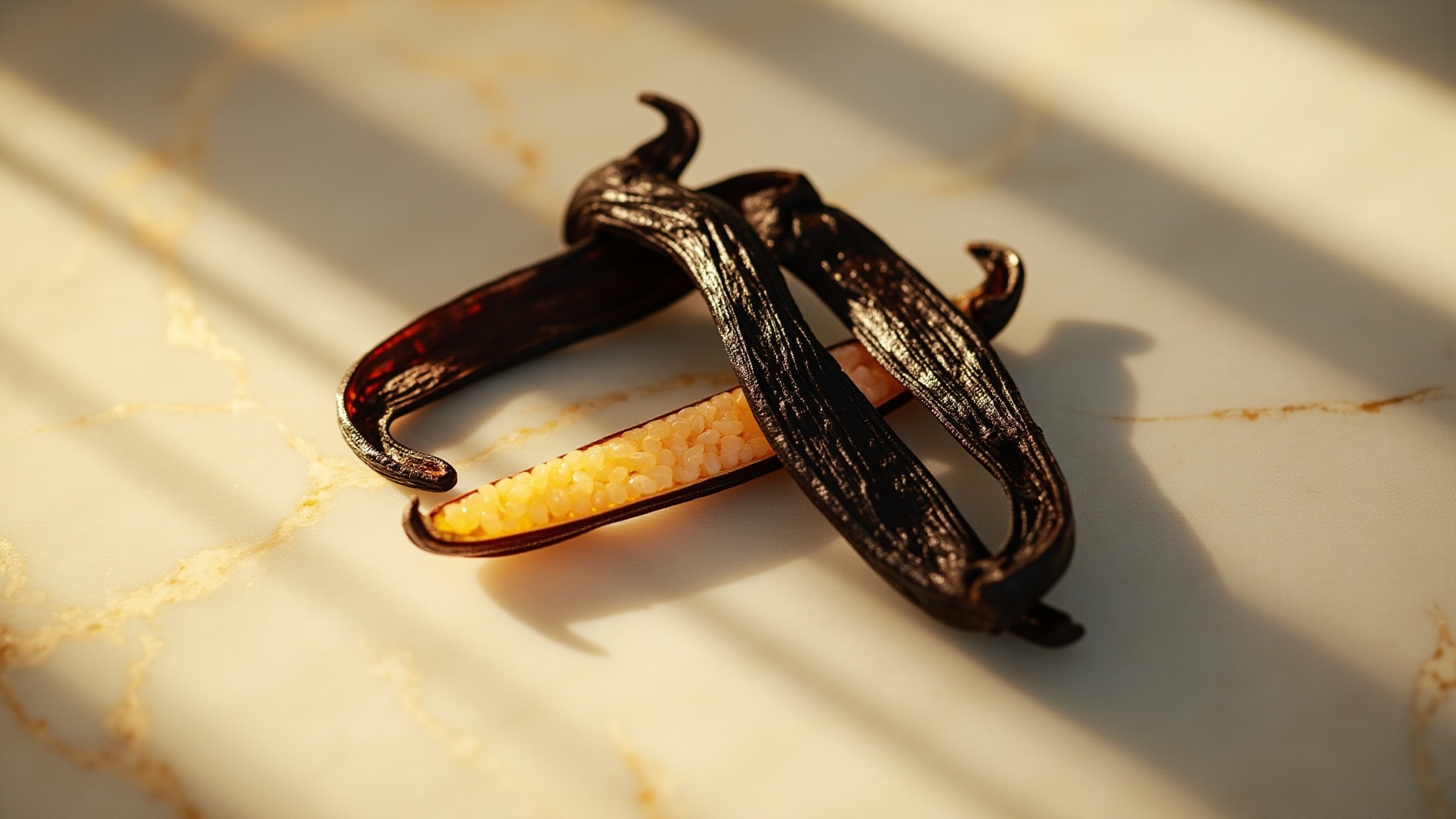
The opening is vanilla, immediate, warm, barely sweet. No hesitation. For the first thirty minutes this is what you smell: the warmth of something familiar that somehow still feels chosen. Then the rose arrives quietly underneath, not announcing itself, just making the vanilla less singular. The white musk moves forward in the second hour. Clean, soft, powdery in the way that good musk should be, skin that happens to smell clean, not detergent. The drydown is where it gets interesting. The rose doesn't disappear, it deepens, becoming warmth against skin rather than florality. The vanilla lingers in its quieter register. Combined with the musk, it becomes something intimate, close, almost impossible to catch on purpose. On fabric it lasts longer, projecting moderately for most of its 4-6 hour life. On skin it's a second-skin effect by hour five. Not trying anymore. Just there.
Cultural impact
Junaid Perfumes has operated since 1910, building a century of blending expertise that informs contemporary releases like Hadarah. The house occupies a significant position in South Asian perfume culture, where traditional oud and attar knowledge shapes modern compositions. Hadarah's 2020 launch arrived during a period of growing global interest in Middle Eastern fragrances, particularly vanilla-forward scents that appeal to Western markets seeking warmth and comfort. The minimalist three-note approach reflects a deliberate strategy within the GCC fragrance market, where accessible, everyday wear scents coexist alongside luxury oud compositions.