The Story
Why it exists.
The beginning
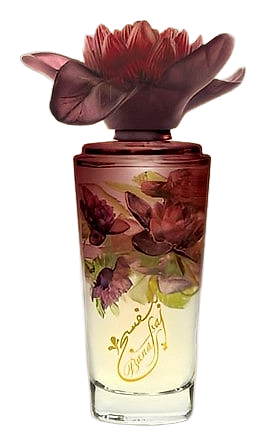
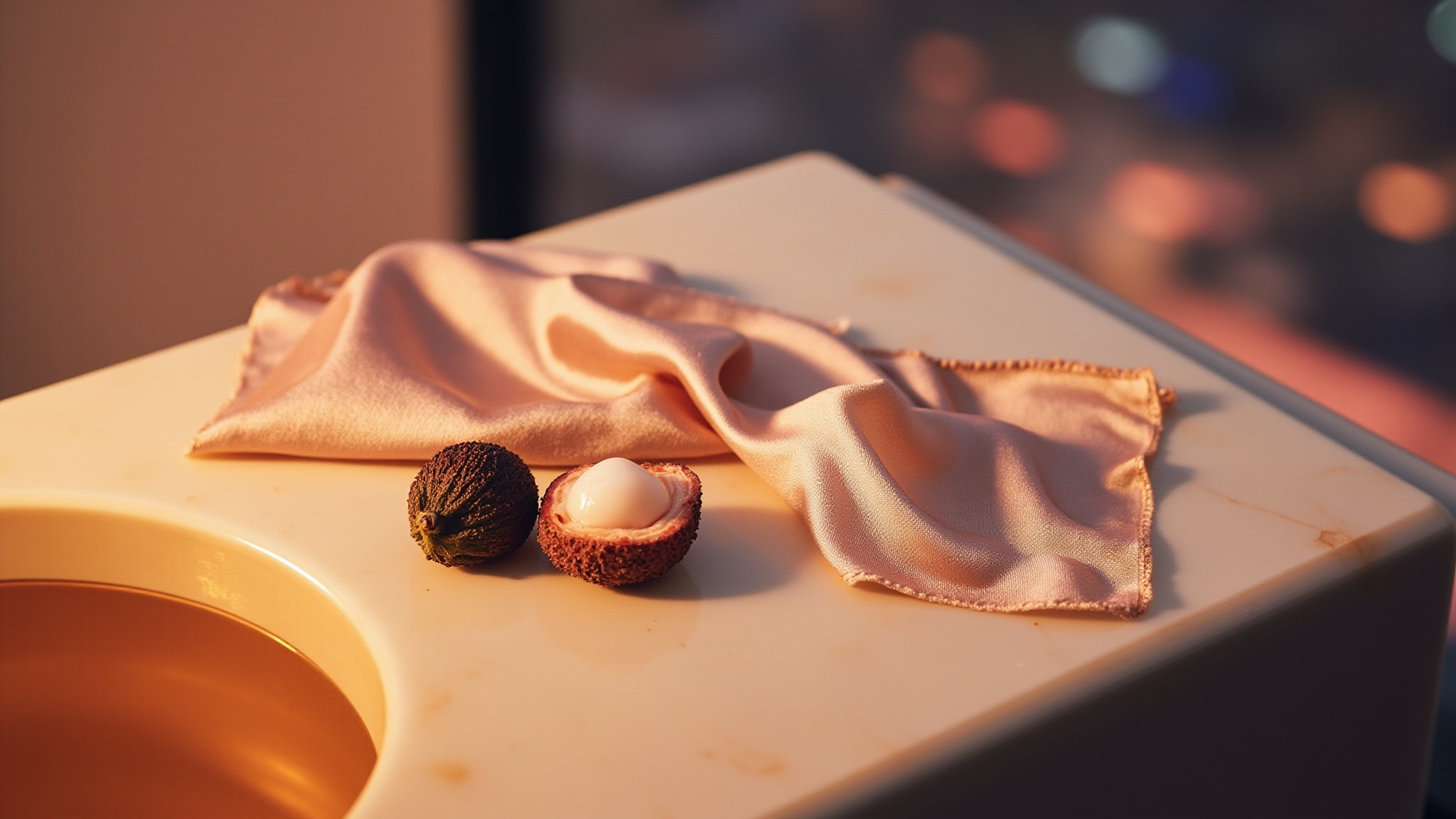
Banafsaj Night emerged from Junaid Perfumes in 2010. The name carries its own weight. 'Banafsaj' suggests something floral and evocative, and 'Night' shifts the register entirely. This isn't a daytime violet. It's one that waits for dusk, for candlelight, for the hour when fragrance becomes conversation. The brief called for something elegant with a French sensibility, lychee and floral notes arranged in a way that feels luxurious without announcing itself. The palette stays narrow: rose, lychee, jasmine, white musk. Four materials. Enough to build something layered or something flat. What arrived was the former, a composition that earns its simplicity. The opening bursts with juicy lychee, its sweet-tart brightness tempered by the softness of rose petals.
What makes this structure work is the restraint. Rose and lychee could easily become a candy stall, sweet, one-dimensional, forgettable within the hour. The choice of white musk as the structural skeleton changes the math. Musks don't project the way aldehydes or ambroxan do. They stay close, they cling, they amplify what surrounds them without dominating. Jasmine, meanwhile, adds a slight warmth underneath the florals, not green, not indolic, but that characteristic fullness that makes white florals feel expensive rather than synthetic. The combination of rose on top, jasmine in the heart, and musk anchoring everything means the fragrance doesn't announce a dramatic opening or a surprising drydown.
The evolution
The opening arrives soft, no citrus, no sharp top note to announce itself. Rose and lychee emerge together, the lychee lending a watery juiciness that keeps the rose from feeling heavy or old-fashioned. For the first twenty minutes, there's a sweetness that feels almost edible, like rose water drizzled over fresh fruit. Then the jasmine begins to push through, bringing a creamier, warmer quality that smooths the transition. By the second hour, the white musk takes over as the dominant force. It doesn't amplify projection, it deepens the scent's presence on skin, making it feel like it's emanating from below the surface rather than sitting on top. The drydown is intimate by design: close enough to catch when she turns her head, impossible to detect from across the table. On fabric, the rose persists longest, a ghost of the opening, softened by musks that have settled into the fibers. On skin, it fades cleanly. No harsh edges. No synthetic tail. Just the memory of something warm.
Cultural impact
Rose-based fragrances carry profound symbolic meaning that extends far beyond their scent. The flower has been central to perfumery traditions for centuries, prized for its versatility and emotional resonance. In many cultures, rose fragrance represents beauty, elegance, and romantic appeal, making it a perennial favorite for those seeking a classic yet expressive scent profile. The petals yield both a sweet, honeyed character and a deeper, more complex quality depending on extraction methods, allowing perfumers to craft variations that range from bright and airy to rich and velvety.