
The Story
Why it exists.
The beginning
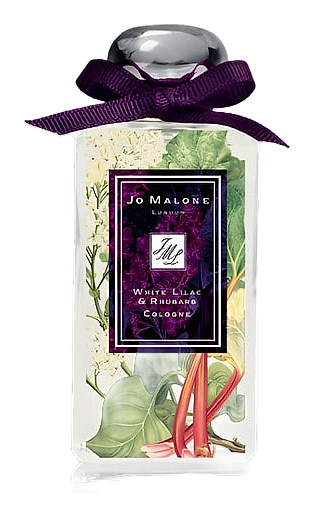
Christine Nagel designed White Lilac & Rhubarb in 2012 as part of the London Blooms collection, a trio of fragrances inspired by English botanical gardens and the feeling of walking through a well-kept estate in May. Each scent in the collection was built around a different facet of that experience: the romance of flowers in bloom, the texture of lawns and moss, the quiet pleasure of English outdoor life. White Lilac & Rhubarb took the most unexpected angle. Rhubarb is not a traditional perfumery material. It reads green, almost tart, closer to a vegetable garden than a flower shop. White lilac, by contrast, is delicate and quietly sweet. The pairing shouldn't work. It does.
The tension between these two notes is the entire engine of the fragrance. Rhubarb brings a sharp, almost bracing quality, the green of a stalk cracked open, dew still catching the morning light. White lilac softens everything that follows, filling the space with a floral sweetness that never becomes heavy. Heliotrope threads through as a quiet powdery undertone, and rose adds just enough warmth to keep the composition from reading cold. The result is a green-floral that earns its name on both sides: tart enough to feel awake, soft enough to feel like May.
The evolution
The first minutes belong entirely to rhubarb, bright, almost astringent, with a green snap that hits before you expect it. This is not a gentle introduction. The lilac doesn't arrive so much as unfold, gradually taking up space as the rhubarb's sharpness begins to soften. By the half-hour mark, the composition has shifted into something floral and quiet. Rose appears here, not as a centerpiece but as a smoothing agent, blending lilac and heliotrope into a soft, powdery middle that reads as romantic without sweetness. The drydown is the quietest part. Heliotrope and a whisper of rose settle close to the skin, present enough to catch if someone leans in, gone before it becomes anything but gentle. On fabric, a clean, faintly floral trace remains into the evening.
Cultural impact
White Lilac & Rhubarb occupies an unusual position within the Jo Malone London range, a green-floral that refuses to be merely pretty. The rhubarb note is polarizing by design: some wearers find it too sharp, others wish there was more of it. That divisiveness is characteristic of the London Blooms collection overall, which leaned into botanical specificity rather than safe florals. Peony & Moss and Iris & Lady Moore each made their own unexpected bet. Together, the three scents mapped a particular English sensibility: gardens as places of genuine observation, not just decorative backdrop.
The House
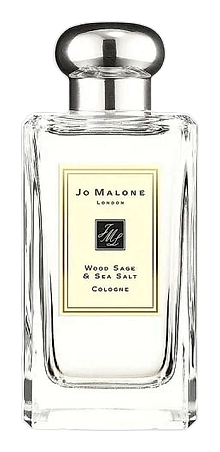
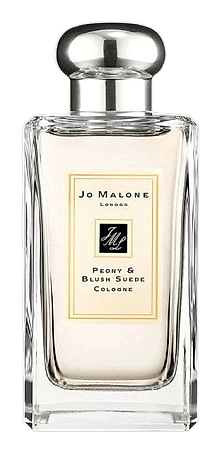
Jo Malone LondonJo Malone London is a British fragrance house founded by Jo Malone in 1990 and now owned by Estée Lauder Companies. The brand built its reputation on a signature layering concept that lets wearers combine colognes into personal signature scents. Each fragrance begins with a story, whether drawn from childhood memories, British traditions, or sensory moments. The collection spans delicate florals like Peony & Blush Suede alongside richer compositions such as Velvet Rose & Oud. Known for understated bottles finished with black script lettering and a colored ink matching each scent, the brand maintains a refined British aesthetic across over 30 countries. The house continues releasing new fragrances under Estée Lauder while preserving the creative philosophy Jo Malone established.
The Creator
Christine NagelNagel occupies a distinctive space in contemporary perfumery, favoring sensual, textured compositions over the clean minimalism that dominated for decades. Her fragrances often feature unexpected contrasts: mineral and floral, salty and sweet, cool and warm.