The Story
Why it exists.
The beginning
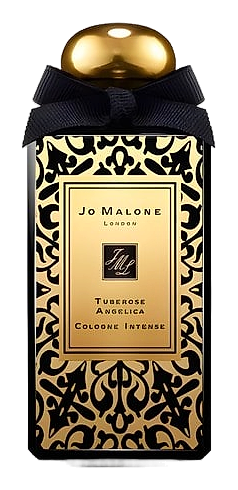
In 2014, Jo Malone London released a collector's edition of Tuberose Angelica in a special flacon, black and gold, ornate, with a black ribbon around the neck. It was a moment of quiet excess from a house built on restraint. The standard bottle had existed for years, but this edition arrived dressed to be noticed, even if the fragrance itself still spoke in that signature British sotto voce. Perfumer Marie Salamagne had composed the original years earlier: a study in contrast between angelica's cool green and tuberose's warm, almost dizzying bloom. The limited run gave the scent a stage it hadn't had before, a bottle worthy of what was inside.
Angelica and tuberose shouldn't work together. One is green, sharp, almost medicinal. The other is lush, creamy, almost too much. The tension is real, and that's the point. Where most white florals soften with citrus or go quiet with powder, this one holds two opposing forces and lets them argue. Amber and woody notes in the base don't resolve the conflict so much as settle it, warm and close. The composition doesn't hide its ambition. It just executes it quietly, which is very Jo Malone.
The evolution
Angelica arrives first. That green, herbal snap, the kind that wakes you up before you've had coffee. It lingers longer than expected, keeping the tuberose in check for the first few minutes. Then the bloom opens. Tuberose, honeyed and intoxicating, takes over completely. The shift isn't gradual. It announces itself. Warm, sumptuous, close to skin, this is when the fragrance becomes what it was always going to be. The drydown settles into amber's sweetness and something woody, quiet. Not gone. Just closer. Most wearers get 4-6 hours of presence, intimate and persistent.
Cultural impact
The 2014 limited edition brought new attention to a scent that had lived quietly in the Jo Malone range. The collector's bottle, black and gold, ornate, gave it a presence it hadn't had before. Wearers describe it as sensual and intoxicating, with the kind of tuberose that earns attention. It sits alongside other white floral explorations in the collection, though the angelica-tuberose pairing gives it a sharper edge than most.