
The Story
Why it exists.
The beginning
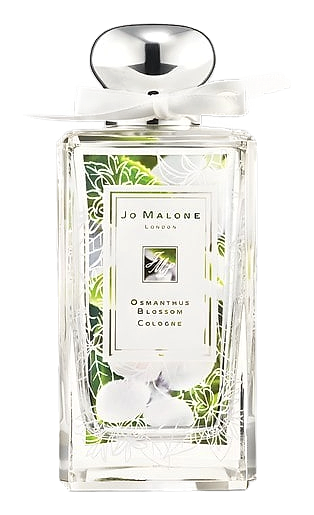
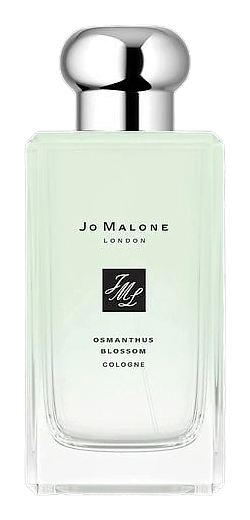
Osmanthus Cologne arrived in 2020 as part of Jo Malone London's ongoing exploration of florals that feel found rather than constructed. The house has long favored scents that begin with a memory or a sensory moment rather than a marketing brief, and this one centers on the osmanthus flower, a small, fragrant bloom with an unusual ability to smell simultaneously like apricot, honey, and warm tea. The choice to build around it signals a preference for quiet complexity over obvious appeal. The cologne format is deliberate. Jo Malone built its identity on the cologne concept, light, intimate, designed to layer, and Osmanthus Cologne leans fully into that philosophy. It doesn't project across a room. It stays where you put it, close to the skin, the kind of scent another person discovers only when they're already near.
What makes Osmanthus Cologne distinctive is the way it holds two contradictory impulses in balance: the fruit and the floral. Peach is inherently sweet and soft; osmanthus carries a honeyed, almost jam-like depth that could tip into heaviness on its own. But the orange blossom keeps the whole composition airy, and the cashmere wood base does something unexpected, it wraps the florals in a texture that reads as warm without adding weight. The result is a fragrance that smells full without being loud. The cashmere wood note is worth pausing on. It's a modern aromatic material designed to evoke the sensation of soft fabric rather than standing as a traditional woody base.
The evolution
Petitgrain leads. Not bright citrus exactly, more the green-bitter memory of citrus leaf, a little rough-edged against the soft fruit that follows. Within ten minutes, the peach asserts itself, but it reads velvety rather than sweet, like the inside of a ripe fruit rather than the bite. The osmanthus arrives quietly, not announcing itself but gradually becoming the loudest voice in the room. Its apricot-honey character threads through the peach and deepens what started as a simple fruity opening into something with more dimension. The orange blossom arrives in the heart as a quietizer. Where the top notes were moving, this phase slows everything down, waxy, delicate, the specific scent of blossoms rather than the idea of them. The sillage has already moderated by this point; it's a fragrance that stays close even at its most expressive. The drydown takes its time arriving. Cashmere wood settles in, adding warmth without weight, and the osmanthus lingers beneath it, a honeyed sweetness that stays close for hours.
Cultural impact
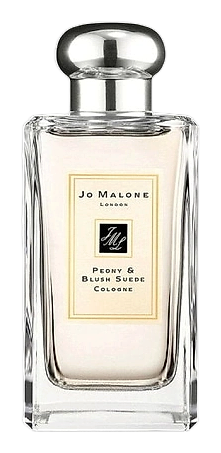
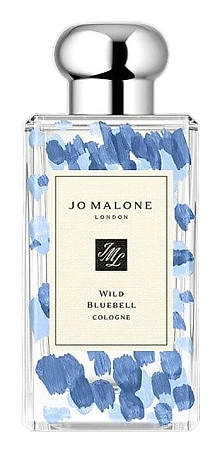
Osmanthus Cologne occupies a specific position in the Jo Malone range: the floral you wear when you find most florals too much. The house has no shortage of blossom-forward scents, but this one skews quieter than Peony & Blush Suede and warmer than Wild Bluebell. It has found its audience among people who want the beauty of floral without the performance of it, a growing sensibility in contemporary fragrance culture, where the most complimented scents are often the ones nobody sees you applying.