
The Story
Why it exists.
The beginning
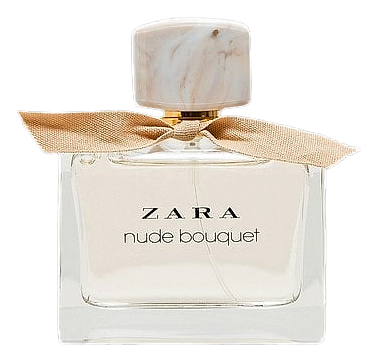
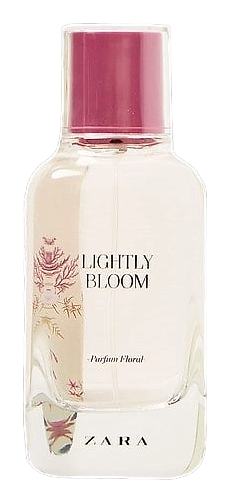
Lightly Bloom arrived in 2018 as part of Zara's growing fragrance identity, a brand that had been in the perfume space since 1998 but was increasingly serious about scent as an extension of fashion. Three notes. One idea: fresh florals that don't compete with the room. Lotus for aquatic freshness, peony for romance, musk for warmth. The pyramid is spare by design, not accident. Zara's approach to fragrance mirrors its approach to fashion: contemporary, functional, and democratic. Lightly Bloom is the result of that philosophy applied to the challenge of making something light feel intentional.
The lotus-peony combination is deceptively simple. Lotus brings an aquatic, almost mineral freshness that most florals skip entirely, it's the difference between a floral that smells like flowers and one that smells like morning. Peony fills the romantic middle without tipping into sweetness. And musk does what musk does: grounds everything into skin-warmth that lasts past the top notes. The structure solves a real problem with light florals, either they're too subtle to notice or they project in ways that feel wrong for daily wear. This one threads the needle.
The evolution
The opening hits fast and clean. Lotus delivers immediately, that watery, slightly mineral freshness that reads as both aquatic and floral at once. No delay, no harsh alcohol spike, just an immediate sense of morning. Within twenty minutes, peony takes over. This is where the fragrance earns its name. The peony doesn't burst; it unfolds, soft and full, the kind of bloom that happens quietly in the hour after sunrise. Musk arrives around the forty-minute mark and stays. It doesn't project, it whispers. The drydown is skin-warm and close, detectable to someone leaning in but not across the room. Lasting power sits in the 4-6 hour range on most skin, longer on clothing. By evening, it's a memory rather than a presence, warmth where you sprayed, nothing more.
Cultural impact
Lightly Bloom arrived in 2018 as part of Zara's strategic fragrance expansion, targeting consumers seeking designer-inspired scents at accessible prices. The 2018 launch reflected a broader trend in fashion retail, where brands leveraged their visual identity and trend positioning to build fragrance loyalty. Lotus as the hero note positioned the scent within the aquatic-floral category that dominated mainstream perfumery during the late 2010s. Zara's fragrance line, developed through partnership with Spanish house Puig, has consistently offered trend-adjacent options that echo higher-end releases.