The Story
Why it exists.
The beginning
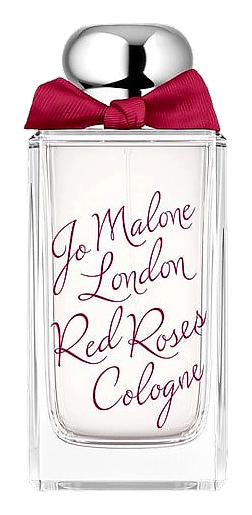
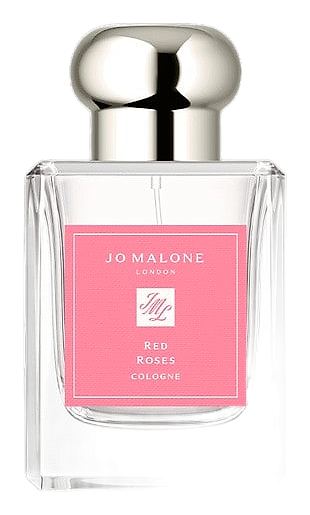
Red Roses exists because someone at Jo Malone London asked the right question: what if you didn't build a rose fragrance around a concept, but around the flower itself? The brief was deceptively simple: create something that smelled like a bouquet handed to you, stems still wet. Perfumers Lucien Piquet and Patricia Bilodeau worked with this vision, and the result is a soliflore that centers entirely on the rose. The fragrance opens with that immediate impression of cut stems and fresh petals, then settles into the pure floral heart where the rose dominates completely. There's a dewy quality to the scent, a sense of freshness that keeps it from feeling heavy or overly sweet, as the rose note carries through with remarkable clarity.
What makes Red Roses interesting isn't complexity, it's commitment. The composition stacks rose on rose, relying on Bulgarian rose's natural richness to create depth. Violet leaf brings the green, stem-cutting freshness that keeps it from being cloying. The beeswax isn't accidental, it's the counterweight that stops the rose from reading as perfume rather than flower. The composition is essentially: rose, something green, something warm. That's it.
The evolution
The opening is all green, violet leaf and a flash of lemon that lasts maybe five minutes before the mint settles it. Then the rose takes over. Not a polite rose, not a dried-petal rose, Bulgarian rose, full and lush, the kind that smells like color itself. It holds there for a few hours, unbothered. The beeswax doesn't arrive all at once. It seeps in gradually, softening the edges just enough that when the rose finally starts to thin, you're left with something warm and honeyed that lingers another two to three hours. On fabric, it can last until the next day.
Cultural impact
Red Roses occupies a specific corner of the fragrance world: the rose soliflore that rose obsessives point to as the reference point. It's beloved by those who want rose and only rose, and polarizing to those who find pure rose either too realistic or too simple. The fragrance has remained in the Jo Malone London core collection since 2001, remarkable staying power in a market that rotates scents frequently. Its reputation as a layering candidate persists, though it works perfectly well solo.