The Story
Why it exists.
The beginning
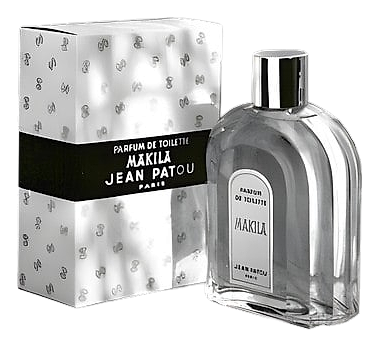
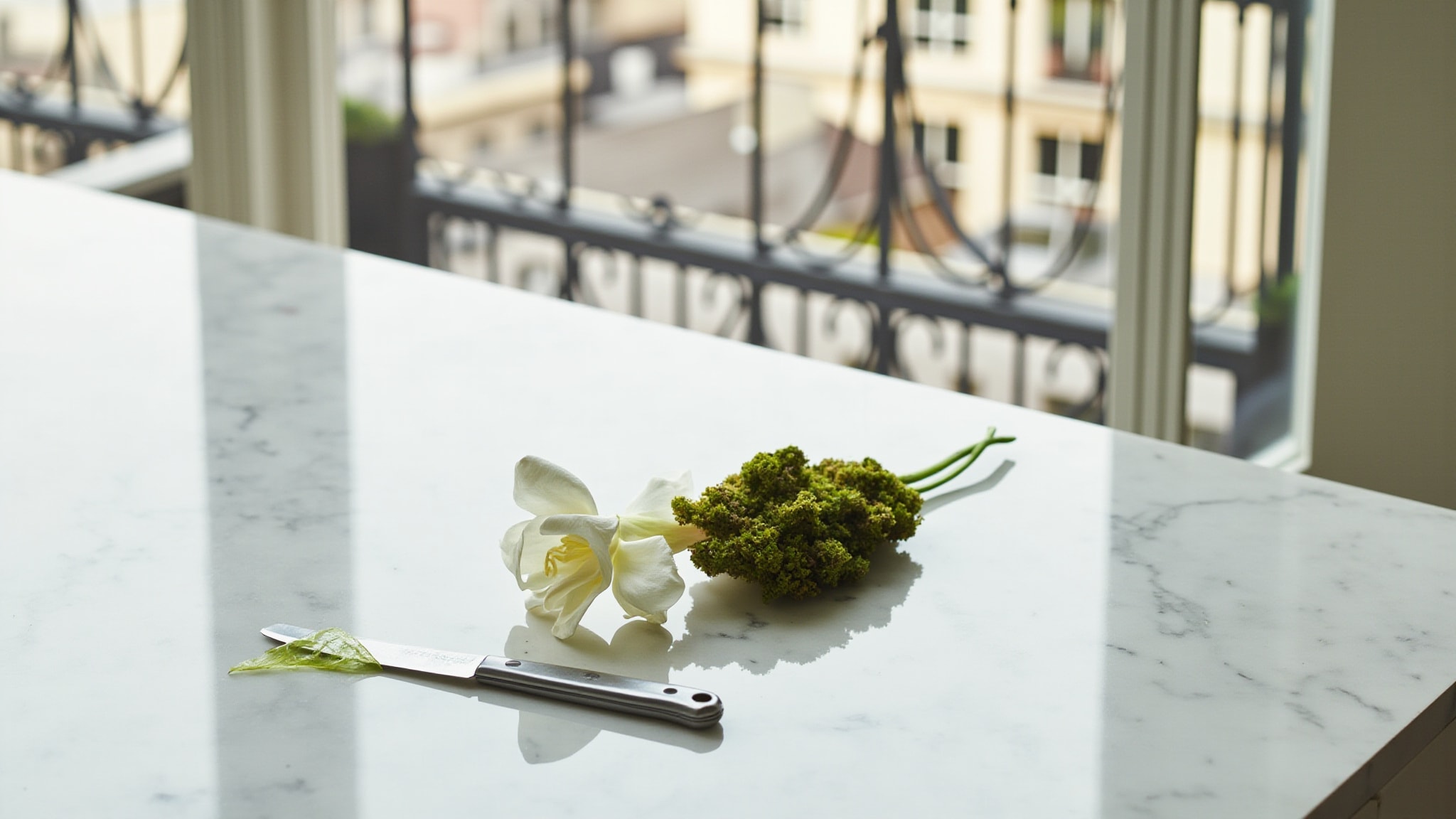
Makila arrived in 1961 from Jean Patou. This one went the other direction entirely: stripped, green, almost austere. White flowers and green notes do all the talking, and that's exactly the point. No orientals, no aldehydes, no architectural backbone to speak of. Just the green snap of foliage and white petals doing their work in close quarters. The composition holds its line without ever reaching for ornament, a rare thing in a house known for crowd-pleasing florals. The restraint reads as deliberate rather than accidental, a choice to keep things close to the ground. You smell grass and flower at the same moment, each one legible, neither one dominating. There's something almost corrective about a fragrance this pared down from a house with a taste for opulence.
What makes Makila worth attention is what got left out, and what stayed in. The green accord carries weight from the first spray, leafy and present without leaning on any single material to do all the work. Jasmine threads through the composition from early on, sambac by most accounts, and the combination builds its own quiet tension. The white flowers never collapse into sweetness because the green keeps interrupting. Each time the jasmine tries to settle into something soft, a thread of green pulls it back. The result is a fragrance that smells alive in two registers at once.
The evolution
The first ten minutes belong entirely to the green accord, bright and sharp, doing all the work while the jasmine stays hidden behind it. Around the twenty-minute mark the white flowers begin to surface, gaining ground without ever fully taking over. The composition stays in that green-floral corridor for most of its lifespan, neither the greenery nor the jasmine ever quite winning. In the final stretch, the jasmine settles closer to skin and the green accord softens, losing its initial bite and warming up into something drier and more vegetal. What survives to the end is a faint sweetness: warm, slightly humid, with the white florals still humming underneath. On a scarf or collar the next morning, it reads as skin-warmth with a thread of something floral still hanging on, a quiet reminder that the fragrance was there at all.
Cultural impact
Makila holds a distinctive place in green-floral territory, a composition that trusts its green and white notes to carry the entire story without ornament. For collectors interested in the house's lesser-known work, Makila represents the more restrained end of the catalog, a useful entry point for those curious about Patou beyond the famous florals. Its profile, built around green notes, jasmine, and white flowers, makes it a study in how little a fragrance needs to say something memorable. The composition rewards attention without demanding it, a quality that keeps it relevant for anyone drawn to quieter, more structural scents.