The Story
Why it exists.
The beginning
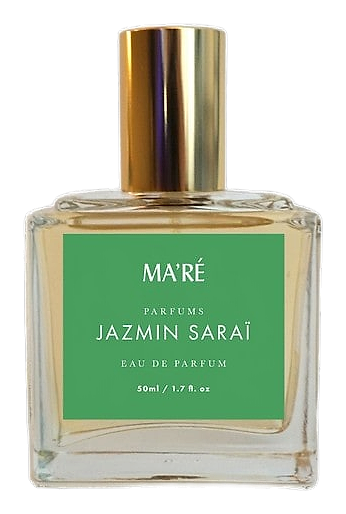
Dana El Masri made Ma'Ré as part of a larger project exploring Middle Eastern musical heritage. The scent channels Fairuz's coast, the Lebanese singer whose voice carries the memory of the Mediterranean like few others. El Masri wasn't interested in a generic ocean scent. She wanted the specific: the anise of arak, the green of fig trees, the cedar that grows in the mountains above the sea. The opening arrives with bright citrus, a burst of bergamot that gives way to the herbal, slightly sweet character of anise. As it develops, the fig note emerges, bringing its characteristic green, slightly lactonic quality that softens the sharpness of the opening. The name itself seems to reference something intimate, Ma'Ré could be a place, a phrase, a moment from a song.
What makes Ma'Ré unusual isn't the citrus or the aquatic note, it's the arak. That Levantine anisic spirit shows up in the drydown, not as a gimmick but as an honest cultural reference. Cedar does the heavy lifting, giving the fragrance a woody backbone that keeps it from floating away into generic freshness. Fig bridges the green top and the warm base, adding a faint sweetness that softens the anise without drowning it. The composition doesn't follow the typical aquatic playbook. It stays grounded.
The evolution
MA'RÉ emerged from a study of Levantine sensory traditions, beginning as an exploration of how anisic and aquatic notes could coexist within a single composition. The perfumer worked through multiple iterations before settling on the cedar-arak drydown that anchors the final scent. On the skin, the fragrance opens with a bright citrus-anise combination that feels both fresh and deeply aromatic. The aquatic element never becomes synthetic or linear; instead, it shifts and breathes, responding to the wearer's body chemistry. As time passes, the green fig note grows more pronounced, its soft fruitiness creating a bridge between the fresh opening and the waiting base. The development process involved careful calibration of each element to ensure the notes would layer naturally rather than compete.
Cultural impact
Ma'Ré arrived with something specific: a Levantine perspective. Rather than competing on synthetic freshness, it drew from the aromatic traditions of the Lebanese coast, arak, cedar, fig. The aquatic category had long been dominated by bright, impersonal compositions that smell similar across brands. Ma'Ré offered a different proposition entirely. For wearers who find mainstream aquatics forgettable, the cultural specificity offered something worth remembering. The combination of anise and cedar feels rooted in a particular landscape, one of coastal towns and mountain villages connected by scent and memory.