The Story
Why it exists.
The beginning
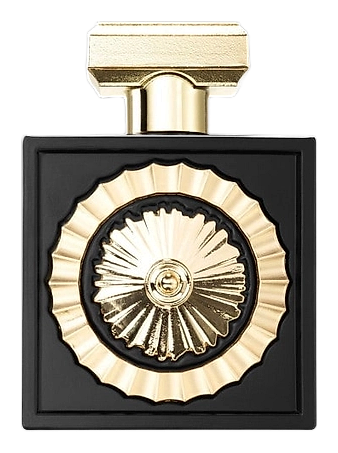
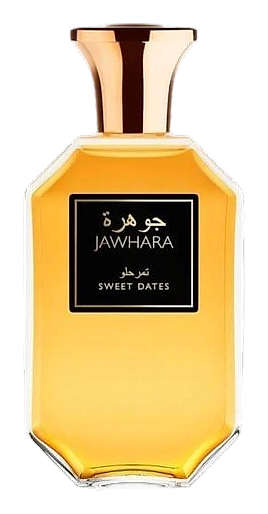
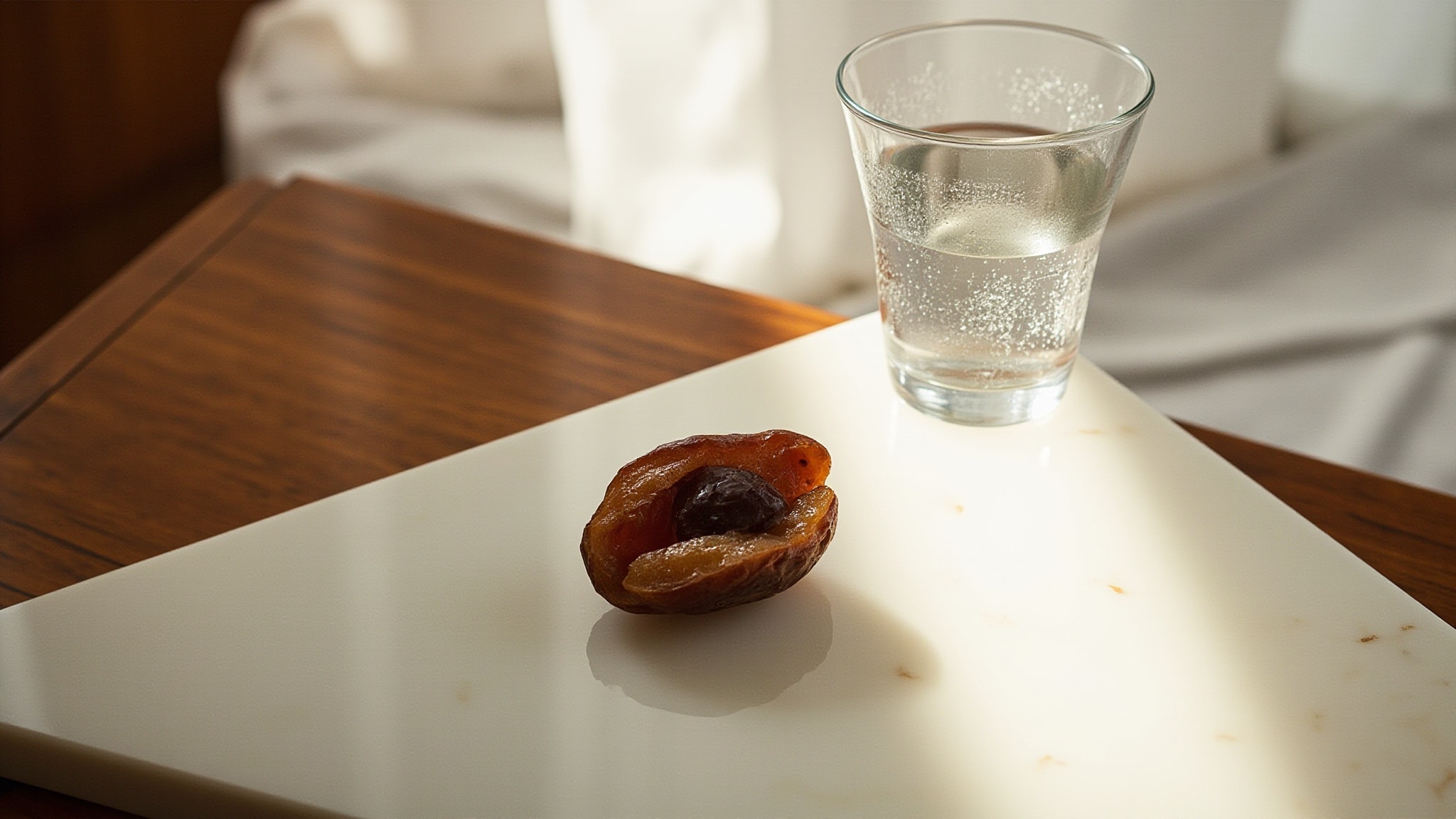
Sweet Dates arrived in 2025 as part of Jawhara, a collection that takes its name from the Arabic word for jewel. The fragrance chose the medjoul date as its signature note, a fruit with deep roots in Middle Eastern perfumery where it has long been paired with warm, rich materials. The perfumer built the composition around that tradition, crafting something that feels rooted in heritage while remaining approachable for everyday wear. What emerged is a scent that embraces its sweetness fully, letting the date note drive the composition with confidence and presence.
The structure here is interesting because the sweetness doesn't arrive alone. Amyris in the opening provides a bright, honeyed quality that keeps the vanilla from pooling into something flat, suggestive of honeysuckle and orange blossom as it lifts the initial burst. Then davana enters the heart, an aromatic material that smells like herbal tea with a fruit undertone, adding complexity where a simpler fragrance would just rest on the sugar. Patchouli does the same work in the base, preventing caramel and amber from becoming one-dimensional.
The evolution
The opening hits immediately, a burst of raspberry over vanilla that reads almost confectionery. That syrupy raspberry is intentional; it's the first signal that this isn't playing it safe. The medjoul date note eventually asserts itself, not as a literal fruit smell but as a warm, sweet presence that shifts the composition away from pure confection. The heart phase brings patchouli forward, adding an earthy counterweight to the sweetness. The transition isn't dramatic; it's a slow hand-off, sweetness receding as wood rises. The drydown is where this fragrance settles into its true character. Caramel and amber settle close to the skin for hours, with cedar providing just enough structure to keep everything from going diffuse. By the end of a full workday, it remains present and intimate, the kind of thing someone notices when they draw close.
Cultural impact
Sweet Dates enters a fragrance landscape where sweet-gourmand scents are widely loved, but few carry the specificity of Middle Eastern perfumery traditions. The medjoul date is a note that carries meaning in Gulf fragrance culture, and its inclusion here brings that heritage into play. Wearers who engage with that context find more depth than they might expect from a fragrance positioned at the accessible end of the market.