The Story
Why it exists.
The beginning
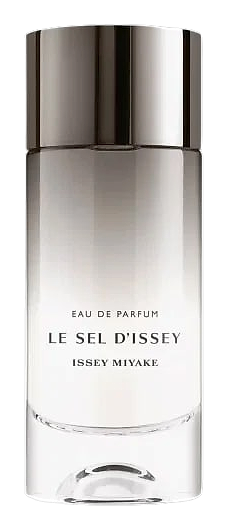
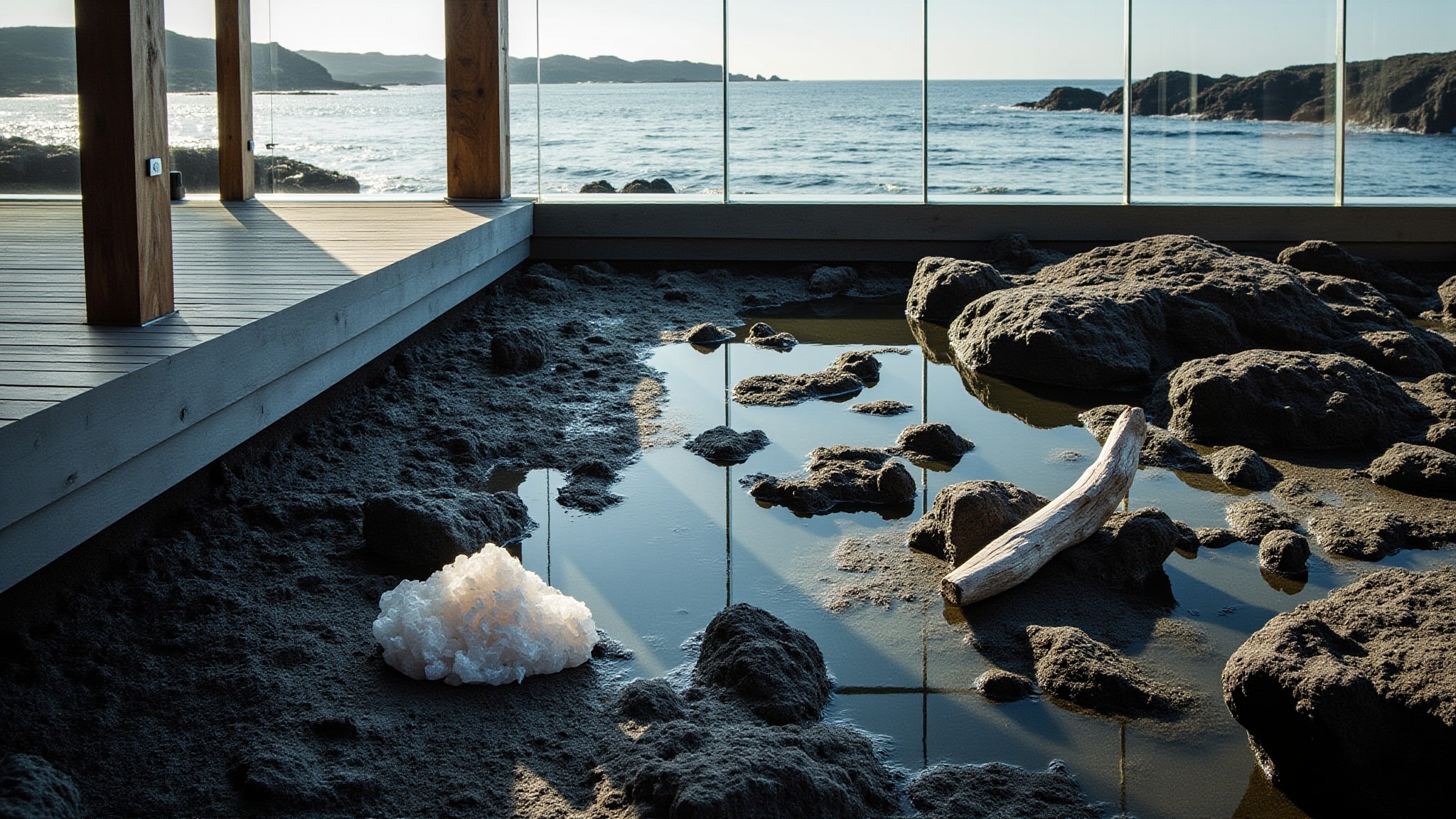
Salt as material. Salt as metaphor. Thirty years after L'Eau d'Issey pour Homme, Issey Miyake returns to an elemental idea: the same ocean that gave the house its identity, now seen from a different shore. The 2024 release takes its name from salt itself. Not salt as seasoning, but salt as substance, the mineral that sustains life, that preserves, that lingers. Perfumer Quentin Bisch was tasked with making salt a fragrance, not just an accord. The result strips away the usual aquatic clichés and builds from a simple question: what does salt smell like when it's not hiding behind florals?
Sea salt and ginger as top notes. Not bergamot, not lemon, not any of the usual citrus bridges. The choice is deliberate. Ginger brings warmth without sweetness, a clean heat that keeps the salt from reading as bleach or cleaner. It's the contrast that makes the whole structure work, the mineral brightness of the salt against the spice of the ginger, held together by the darker aquatic of seaweed in the heart. Cedarwood and oakmoss in the base are where the Miyake reductionist philosophy shows up most clearly. No orientals, no amber, no sweetness. Just wood and moss, dry and close to the skin.
The evolution
The opening is immediate. Sea salt hits first, mineral and slightly sharp, like the air right before waves arrive. Ginger follows within minutes, not as a bridge but as a second voice entering the conversation. They don't merge cleanly, the salt stays visible underneath while the ginger adds warmth on top. After the first hour, the seaweed and vetiver arrive. The composition goes darker, cooler, more aquatic in the way a dive under the surface is aquatic. The brightness retreats. The cedarwood in the base begins to show itself before the heart fully departs, creating a brief overlap where the composition reads as both marine and woody simultaneously. By hour three, the salt has faded and the drydown settles into cedarwood and oakmoss, dry, mossy, close to the skin. This is where it stays. On fabric, the cedarwood can carry into hour eight or nine. On skin, plan for six to eight hours of moderate presence before the oakmoss finally recedes.
Cultural impact
Marine fragrances have a reputation problem. Too many of them smell the same, citrus, aquatic accord, ambroxan, done. Le Sel d'Issey stands apart by refusing the usual playbook. No bergamot bridge, no sweetness in the base, no projection for its own sake. The fragrance performs consistently, lasts a full workday on most skin types, and costs a fraction of what its peers charge for comparable longevity. The combination of mineral salt and woody drydown is distinctive enough to feel original while remaining accessible enough for daily wear. It's the fragrance that people who are tired of the same aquatics keep recommending to each other.