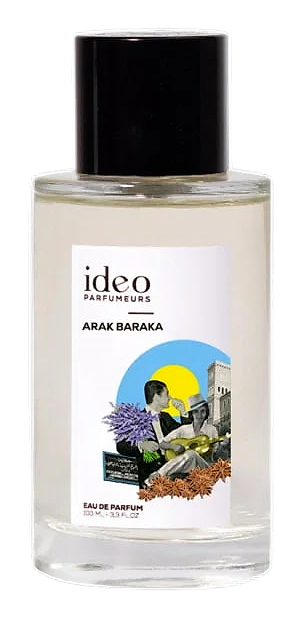
The Story
Why it exists.
The beginning
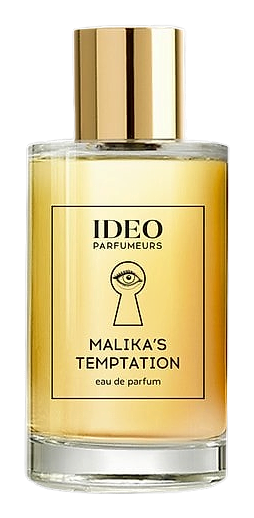
The composition begins with a question: what does a dessert smell like when it becomes something you wear? The answer lives in ashta, the Lebanese cream dessert dusted with pistachio. Perfumer Margaux Le Paih-Guérin took that sensory memory as the brief. The challenge was translation: how do you make pistachio cream feel like a fragrance and not a kitchen? The answer took form in mastic for its resinous body, adding depth that keeps the sweetness grounded rather than floating away. White flowers do the lifting, keeping the composition from drowning in sugar and giving it air. The result is a scent that carries the idea of something edible without crossing into literal territory. It tastes like a memory. That counts.
The mastiha note is the quiet engine here. It carries a green, resinous quality that lifts sweetness without cutting it. In the composition, mastic keeps the pistachio from becoming saccharine, adds body to the florals, and grounds the whole in something that feels rooted rather than synthetic. The white blossoms appear at the opening, framing the fragrance rather than overwhelming it. Together, these materials create something that smells sweet but not sticky, floral but not girlish, warm but not heavy. The balance is the point.
The evolution
The opening announces itself in whispers. White blossoms, brief, delicate, almost shy, offer only a greeting before the heart takes over. Then the pistachio cream arrives. Not artificial, not exaggerated. Butter-rich and nuanced. The mastic adds a green, resinous lift that keeps it from becoming cloying. As the heart matures, the white florals strengthen, creating a sensation of sitting in a field of white flowers while eating pistachio cream. The transition to the drydown happens slowly. Vanilla emerges, soft and warm. Cashmere wood adds creamy texture. White musk keeps everything close to the skin, intimate rather than announced. The longevity holds steady through a full workday. When it finally fades from fabric, a trace of vanilla lingers for another day or two. Not aggressive. Just present.
Cultural impact
The composition occupies a specific niche: sweet enough to intrigue the gourmand enthusiast, restrained enough to satisfy the critic who finds most edible fragrances overwhelming. It offers a middle path between aggressive sweetness and extreme projection. The balance creates warmth without saccharine, complexity without shouting. This careful equilibrium suggests it serves a real gap for those seeking sophistication in sweeter territory.
The House
IDEO ParfumeursIDEO Parfumeurs is a niche fragrance house rooted in Beirut, Lebanon, with creative operations spanning to Paris, France. The brand was established in 2016 by Ludmila Bitar, an entrepreneur and beauty professional who had spent years working within the fragrance industry before launching her own house. IDEO Parfumeurs collaborates with French perfumers to craft scents that draw inspiration from Lebanese culture, heritage, and sensory memories. The collection spans bold statement fragrances alongside more intimate, personal compositions, with releases appearing regularly from 2016 through 2026. The house maintains a commitment to vegan, sustainable, and cruelty-free production methods. Operating from dual bases in Beirut and Paris, the brand cultivates what it describes as a taste for balance, aesthetic purity, and creative restraint. Each fragrance is designed to tell a distinct story through scent, transforming cultural references and emotional moments into olfactory experiences.
The Creator
Margaux Le Paih-GuérinMargaux Le Paih Guérin gravitates toward contrast. She pairs unexpected ingredients with conviction, whether that means wrapping oud in candy sweetness or pushing musk into genuinely dirty territory.