The Story
Why it exists.
The beginning
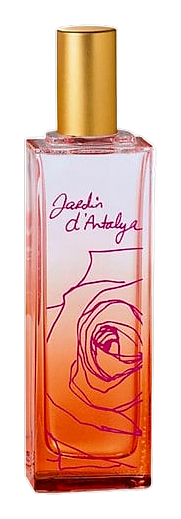
Vincent Ricord designed Jardin d'Antalya around a simple, vivid premise: the gardens of Antalya, Turkey's Mediterranean coast city, where ancient trade routes once carried spices and flowers through the same markets. The name refers to a real place, a port where East and West have traded for centuries, surrounded by gardens that grow in the region's fierce sunlight. Ricord wanted to bottle that specific geography: the warmth, the sweetness, the way flowers smell when they've been growing in hot, dry air. The result is a fragrance that reads as travel in the most intimate sense, a place you can carry with you.
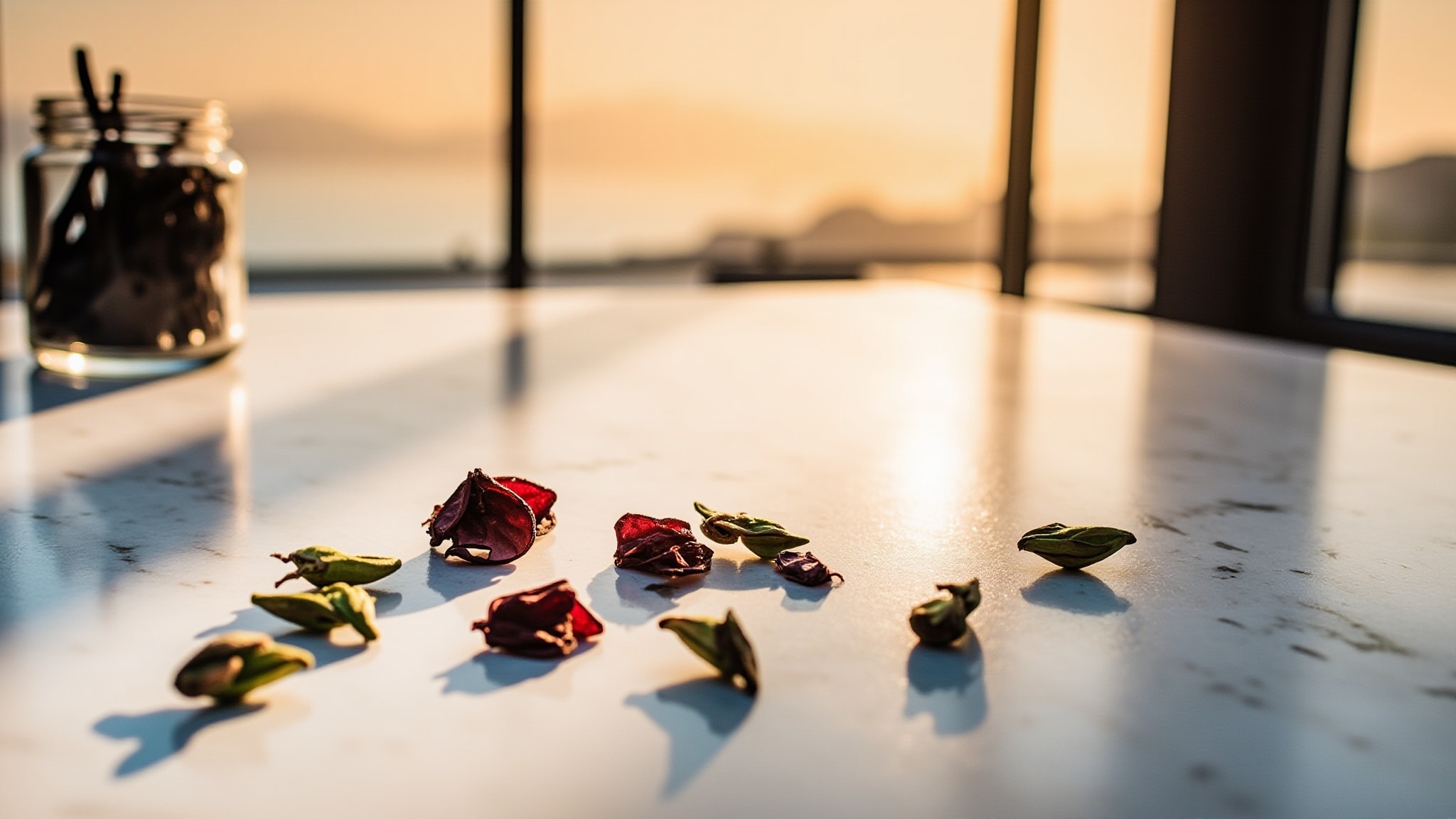
What makes Jardin d'Antalya interesting is the tension between its opening and its heart. The cardamom and coriander arrive together as an aromatic burst, warm, resinous, with the coriander adding a faint green lift beneath the spice. This isn't a slow build. The rose and violet hit at the same time, not replacing the opening but blooming alongside it, creating a sweet-floral core that some wearers describe as almost edible, rose water in a Turkish confection. The violet adds powdery softness that keeps the sweetness from tipping into cloying. It's a straightforward structure, but the spice-to-floral hand-off is what gives the fragrance its character.
The evolution
Cardamom and coriander hit first, a sharp, aromatic burst that reads warm and almost appetizing. The coriander fades after twenty minutes or so, leaving the cardamom alone before the florals arrive. Damask rose blooms alongside violet, sweet and powdery. This phase lasts a few hours. The drydown arrives quietly after an hour: vanilla emerging beneath the florals, with patchouli adding a hint of earth. The sweetness doesn't disappear, it deepens into something warmer, closer to skin. Moderate sillage means it stays intimate. On fabric the next morning, the rose-water sweetness lingers like a memory.
Cultural impact
Jardin d'Antalya occupies a particular niche: warm, approachable sweetness without the sharp edges that divide opinion. It appeals to wearers who want a floral that commits to its floral character, not a fragrance that hedging between categories. The 2011 launch places it in a period when sweet-floral compositions were widely available, but its cardamom-coriander opening set it apart from the fruit-forward florals dominating the era. For many wearers, it remains the fragrance they reach for when they want something that smells good without complication.